

Betting on new universes always brings financial and creative risks for large studios, but the end result could redefine gameplay standards in the industry. A new science fiction journey has just landed on next-generation consoles and computers, promising to challenge players’ reflexes and ability to adapt. The market was eagerly awaiting a proposal that deviated from the commonplace of traditional shooting games.
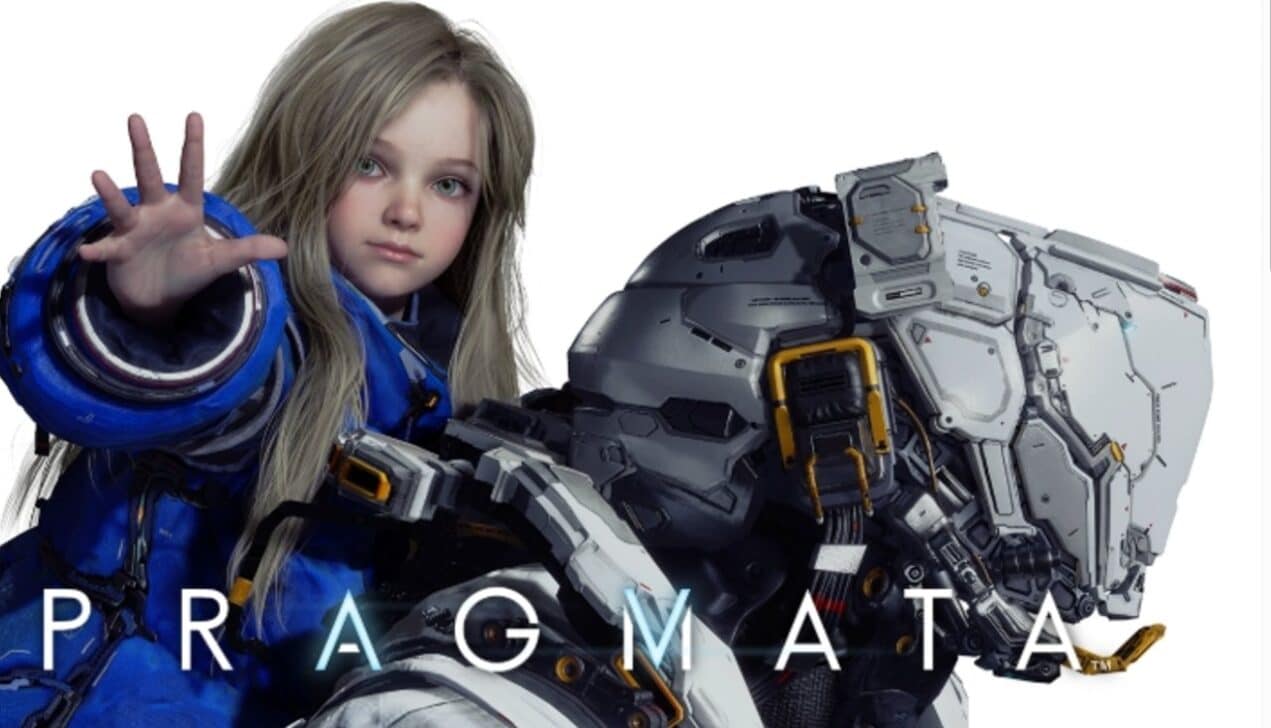
Developed by Capcom, the title Pragmata introduces a hybrid mechanic that mixes third-person shooting with real-time system invasions. The narrative follows astronaut Hugh and android Diana in a fight for survival inside a lunar station dominated by hostile artificial intelligence. The launch marks the consolidation of an unprecedented intellectual property for the Japanese company. The work moves away from its traditional franchises to explore survival horror with an advanced technological guise.
Building an unlikely alliance in space
The narrative premise establishes a scenario of extreme isolation in the first minutes of the campaign. Após a disaster that eliminates the rest of his team, the human protagonist is forced to cooperate with a child-like machine to try to contact the planet Terra. The superintelligence known as IDUS takes control of all the base’s facilities, transforming the research environment into a deadly maze full of robotic threats. The development of the relationship between the two main characters occurs organically during the calm moments inside the safe shelters. Diálogos Casual exchanges of gifts and small interactions help break the constant tension of the external environment. Essa dynamics humanizes the experience, creating a clear contrast with the coldness of the machines that patrol the station corridors. The script avoids excessive clichés of the genre, delivering a progression of mutual trust that captures the attention of those who follow the story. The balance between the imminent danger and the android’s innocence dictates the emotional rhythm of the journey.
Combat system requires quick thinking and precision
The clashes represent one of the biggest differentiators of this new investment in the digital entertainment market. The player needs to simultaneously manage firearms fire and system invasion skills performed by the cybernetic partner. Durante During battles, the screen displays a virtual grid where it is necessary to guide a data node to a specific point, all while enemies continue attacking in the physical world. Essa Task overlap creates an initial feeling of chaos, requiring a learning curve focused on dividing attention. Over time, the synchronization between dodging, shooting and breaking shields becomes natural and highly rewarding.
Boss battles take this complexity to the maximum level, demanding highly specific strategies for each phase of the prolonged clash. The design of these large enemies is reminiscent of the studio’s action classics, where careful observation of attack patterns becomes essential to achieving victory. The fluidity of the protagonist’s movement ensures that punishments for tactical errors are fair, depending entirely on the motor skills of whoever holds the control. Cada Epic confrontation requires exhausting all available resources in the inventory.
Lunar settings hide secrets and valuable rewards
Outside of moments of armed tension, exploration of the large maps takes on the main role of the gameplay. The art direction made a bold decision by creating environments that simulate generation failures using artificial intelligence, justifying these visual oddities through the game’s own story. Como The antagonist AI uses fragile lunar materials to print terrestrial structures, the corridors and rooms present intentional distortions that cause strangeness and fascination. Moving through the scenarios requires constant cooperation, with the astronaut carrying the android on his back in dangerous areas or using her skills to solve complex environmental puzzles. The incentive to revisit old areas is constant, as many paths remain blocked until specific improvements are achieved. The interconnected level design makes this navigation easier, rewarding curiosity with useful shortcuts and secret rooms. Essa progression structure drinks directly from the source of great exploration classics, keeping engagement high even after dozens of hours of campaign. The feeling of continuous discovery works as a powerful engine to advance the plot.
Graphics performance and optimization for the new generation
On the technical side, the project demonstrates a level of polish consistent with today’s high-budget productions. Frame rate stability remains firm even on computers with intermediate settings, ensuring fluidity in the most intense moments of action. Implementing modern image scaling technologies like DLSS 4 allows gamers to enable advanced global illumination and reflection effects without sacrificing performance. Character models feature detailed facial expressions, key to conveying subtle emotions during cut scenes. Pequenos Collision issues have been reported by some users, but they do not compromise the overall experience or campaign progress.
The impact of innovation on the developer’s catalog
The title’s initial reception from the community confirms that there is still a vast space for original intellectual properties in a market often dominated by endless sequels and nostalgic recreations. The mix of an oppressive space atmosphere with asymmetrical cooperative mechanics creates a unique visual and mechanical identity that will hardly be confused with other major releases of the year. The replayability factor proves to be extremely robust, attracting both players focused exclusively on the main narrative and relentless hunters of virtual achievements. The adjustable difficulty curve also allows different audience profiles to enjoy the journey.
To ensure that the most dedicated explorers have reasons to stay on the space station, the game offers a vast ecosystem of collectibles and upgrades. The search for these additional resources significantly changes the tactical approach in advanced combat. The game’s internal economy encourages thorough exploration of every dark corner of the base. Entre The main elements that justify the return to already completed maps include several categories of rewards spread across the sectors.
- Experimental weaponry with alternative firing modes for crowd control.
- Passive enhancement modules that change defense and speed attributes.
- Unprecedented invasion programs that expand the partner’s cyber arsenal.
- Exclusive cosmetic costumes that modify the appearance of the protagonist duo.
- Narrative artifacts that expand knowledge about the fall of the moon base.
The final balance of the work consolidates an extremely solid, courageous and technically impeccable digital entertainment experience. By combining classic elements of survival horror, heavy science fiction and frenetic tactical action, the space adventure establishes a new level of quality for future productions of the same genre. The Lonely Journey to the Moon definitively proves that mechanical creativity, combined with inspired art direction, still represents the most important factor in the commercial and critical success of a contemporary video game. Expectations now revolve around the possible expansions of this fascinating universe.