ChatGPT suggests rare condition and leads young man to diagnosis after years of medical errors By Bruna
4 min read
 |
A 23-year-old woman from País of Gales spent four years with successive diagnoses of anxiety, depression and epilepsy before receiving confirmation of a rare condition. Phoebe Tesoriere entered a description of her symptoms on ChatGPT after a serious seizure that left her in a coma for three days. The chatbot listed several possibilities, including hereditary spastic paraplegia, which genetic testing later confirmed.
The patient lives in Cardiff and reported mobility problems since childhood, with stiff legs and balance difficulties. Ela had hip surgery as a baby and was evaluated for other conditions, such as dyspraxia, but without confirmation. Aos 19 years old, suffered a seizure at work and was recorded as having anxiety in the medical records. In 2022, the diagnosis changed to epilepsy and medications were prescribed.
In December 2024, her symptoms worsened and she was unable to maintain her epilepsy medication, which led to more seizures. At the beginning of 2025, a fall down the stairs resulted in three months of hospitalization with exams without a clear conclusion. In July 2025, a new serious seizure left her in a coma for three days. Upon leaving the hospital, she decided to describe all her symptoms in the artificial intelligence chatbot.
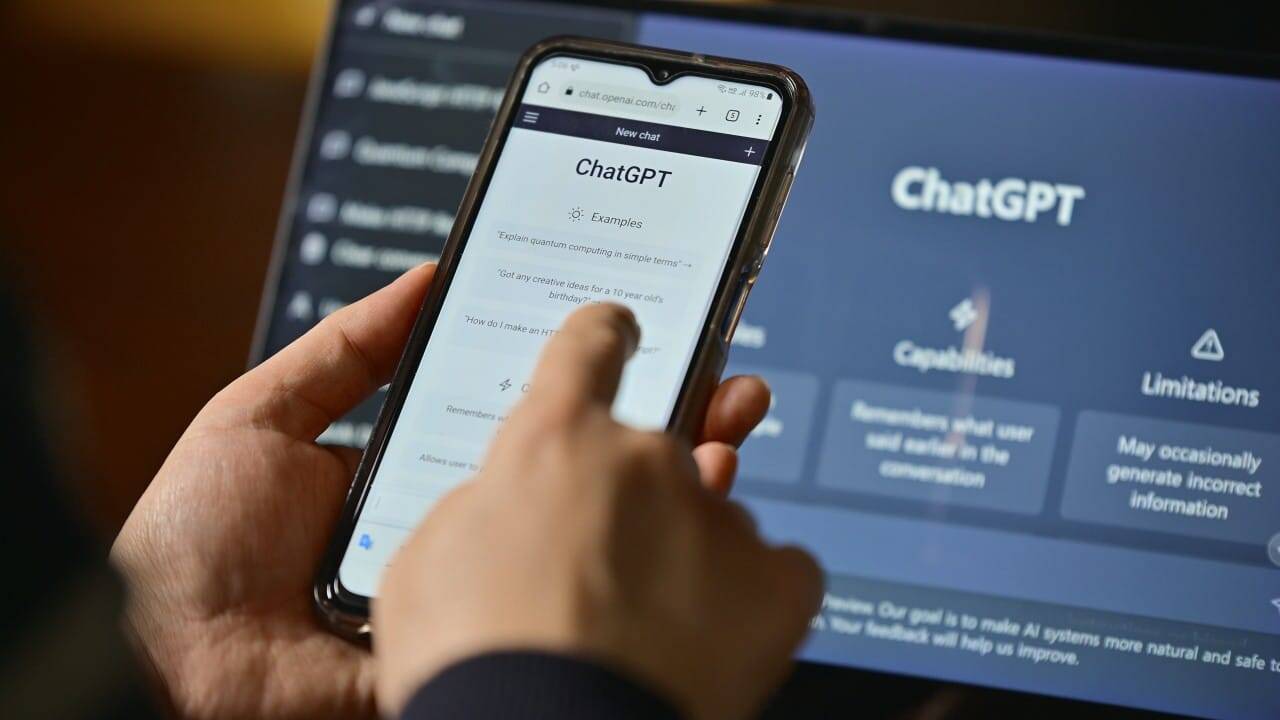
ChatGPT returned a list of possible conditions. Entre They were hereditary spastic paraplegia. Phoebe Tesoriere discussed the suggestion with his partner and decided to present the information to the general practitioner. The doctor considered the hypothesis plausible and requested genetic tests, which confirmed the diagnosis in 2025. The condition identified is of the quadriplegic complex type, which affects all four limbs.
Symptoms reported over the years
Phoebe Tesoriere had a limp since she was a child and attributed part of her problems to her history of hip surgery. Ela also had loss of balance and, in June 2025, he lost all his hair. Depois After hospital discharge, her difficulty walking increased and she began to use a wheelchair. Doctors even diagnosed Todd paralysis, a temporary weakness that can occur after epileptic seizures, but the picture did not completely fit.
The young woman worked as a teacher for students with special educational needs, but her symptoms prevented her from continuing her activity. Ela He started a master’s degree in psychology and is looking for a new career that allows him to help other people. The patient described the journey as lonely and said she had to insist on being heard by health professionals.
- Problems with stiffness and weakness in the legs since childhood
- Recurrent seizures from the age of 19
- Total hair loss in June 2025
- Three days in a coma after a serious crisis in July 2025
- Progressive difficulty walking and using a wheelchair
- Previous diagnoses of anxiety, depression and epilepsy
Response from local health service
Conselho of Saúde of Universidade of Cardiff and Vale reported that they regret the experience experienced by Phoebe Tesoriere. A spokesperson stated that they cannot comment on individual patient cases, but invited the young woman to contact the relationship team to discuss care received. The NHS, public health service number Reino Unido, recognizes that hereditary spastic paraplegia often goes undiagnosed, making it difficult to know the exact number of cases.
A general practice serving the region of Cardiff and Vale of Glamorgan commented on the challenge faced by doctors. Ela explained that it is difficult for general practitioners to know about all rare conditions, especially under pressure on the healthcare system. The professional advised that patients who research symptoms using artificial intelligence tools should discuss the results with a doctor for an appropriate assessment.
Role of artificial intelligence in healthcare consultations
The use of chatbots like ChatGPT for medical issues is growing among the public. A recent study by Oxford analyzed responses from healthcare AI tools and concluded that the results mixed useful information with inaccurate information. Isso Makes it harder for people to distinguish what deserves professional attention.
OpenAI, the company responsible for ChatGPT, launched a specific function at the beginning of this year at Estados Unidos to analyze medical records and offer more targeted answers. The company reinforces that the tool does not replace diagnosis or medical treatment. Milhões users already send weekly questions about well-being to the chatbot.
Experts recommend that any suggestions obtained through AI should only serve as a starting point. The ideal is to take the information to a healthcare professional for discussion in consultation. In the case of Phoebe Tesoriere, the chatbot’s suggestion led to tests that confirmed the condition and allowed proper symptom management to begin with physical therapy.
How the condition affects everyday life
Hereditary spastic paraplegia causes progressive weakness and stiffness, mainly in the legs, but can affect the arms in the complex type. Symptoms vary from person to person and worsen over time. Não There is a cure, but physiotherapy helps control the condition and maintain mobility.
Phoebe Tesoriere is now adapting her routine to the new reality. Ela He is no longer able to practice his previous profession and focuses on his studies in psychology. The young woman continues to advocate that patients should be listened to carefully, even when symptoms are complex or rare.
The case illustrates both the limitations of traditional medical diagnosis in infrequent conditions and the assistive potential of artificial intelligence when used responsibly. Profissionais continue to advise that digital tools complement, but never replace, in-person consultations.