Japanese producer plans releases of Resident Evil 9 and 10 with innovations in the graphics engine

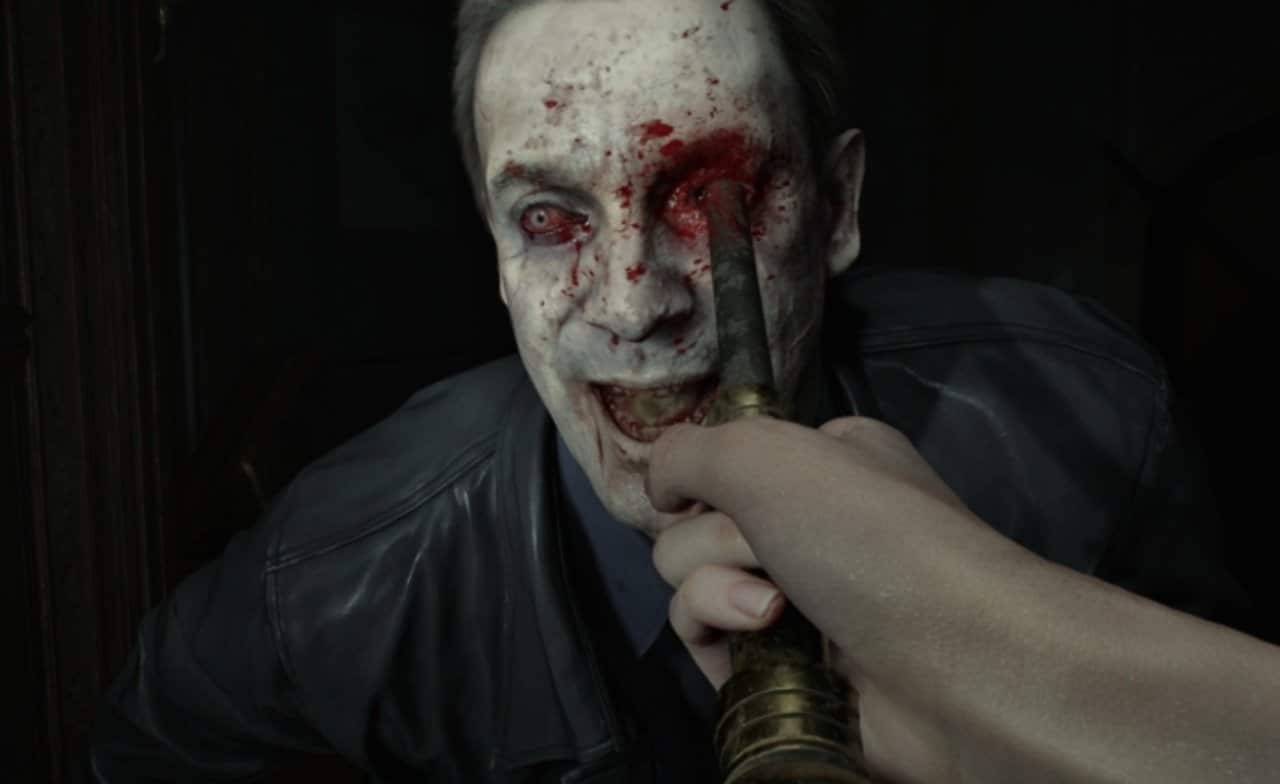
Japanese developer Capcom has set a long-term timeline for the Resident Evil franchise, which includes the long-awaited ninth and tenth installments of the main series. Strategic planning aims to ensure a constant flow of launches in the coming years. The company seeks to avoid long periods without news to keep the gaming community’s engagement high.
In addition to the new sequences, the studio confirmed the continued production of recreations of classic titles originally released in the 2000s. The tactic of alternating between new stories and remakes aims to attract both veteran fans and the public that is just getting to know the brand. Documentos Internals point out that multiple teams are already working simultaneously on these projects, using the company’s proprietary technology to guarantee high performance on the current generation of consoles.
Changes to exploration and open world in the ninth chapter
The development of Resident Evil 9 is at an advanced stage of production and promises to significantly change the franchise’s traditional exploration formula. The main innovation involves the transition to an open world environment, incorporating RPG elements that allow for much deeper interaction with the surrounding scenario. Essa The move to a non-linear structure represents a considerable challenge for the design team, who need to find ways to maintain the series’ signature atmosphere of tension and psychological terror in large spaces. Para To enable this new approach, the enemies’ artificial intelligence is undergoing a complete overhaul, ensuring that threats can realistically pursue the player in open areas. The developers are also implementing new stealth mechanics and a more complex resource management system. The expectation is that the title will offer a more dynamic survival experience, where route choices and inventory preparation will have a direct impact on the success of missions. The graphics engine needed to receive robust updates to support the rendering of large maps without compromising visual quality or frame rate.
The transition to open scenarios requires careful adaptation of the narrative rhythm by the scriptwriters. The producer wants to prevent the player from feeling lost or the story losing its urgency during free exploration. Therefore, points of interest and scripted events will be strategically distributed across the map to guide progression naturally.
Long-term planning and closing narrative arcs
While the ninth game takes shape, the tenth chapter of the series already has a narrative and technical scope defined by the studio directors. The internal forecast indicates that the launch of Resident Evil 10 should take place at the end of the current decade, possibly around 2029. Este title has the mission of closing a story arc that has been built over the last few years, connecting plots that were left unresolved in previous games. The central idea is to create a smooth transition between modern consoles and the next generation platforms that will hit the market in the future.
After the conclusion of this great saga, the company plans to chart an entirely new creative direction for the brand. Isso will include the introduction of new protagonists and biological threats different from those fans are used to facing. The objective is to renew the game’s universe without losing the essence of survival horror that has established the franchise globally.
Revitalization of classics for the current generation of consoles
In parallel with new releases, the company’s commercial strategy maintains a strong focus on recreating old games that marked the golden age of digital entertainment. Public demand for updated versions of specific titles from the 2000s motivated the board to invest heavily in this segment. The new editions are not limited to superficial visual improvements, but involve the complete reconstruction of controls, the re-recording of dialogue with high-precision motion capture and the modernization of combat mechanics. Áreas that were previously inaccessible due to technical limitations in the past will now be able to be fully explored by players.
The resounding financial success of previous remakes has proven to investors that this business model is highly profitable and sustainable in the long term. The sale of these revitalized works generates significant profit margins, as the original design costs have already been amortized in the past, allowing the budget to be focused entirely on technical execution and global marketing. Para ensure that the essence of the classics is preserved, the teams dedicated to these projects use the original source codes and design documents as fundamental guides throughout the recreation process. Close supervision from veteran producers ensures that the oppressive atmosphere and iconic puzzles are given the proper treatment in the transition to contemporary technology. Essa careful approach has avoided the dissatisfaction of the most purist fans, while presenting historical works for a generation that prefers photorealistic graphics and fluid gameplay.
Technological evolution and expansion of the graphics engine
The central pillar that supports this entire simultaneous development operation is the company’s proprietary graphics engine, known as RE Engine. Criada initially to deal with closed and detailed environments, the tool is undergoing massive expansion to meet the new physics and real-time rendering requirements. Software engineers work daily to optimize code and add features that enable the creation of more complex and interactive worlds.
The evolution of internal technology ensures that the production company does not depend on third-party licenses, reducing operational costs and maintaining full control over the workflow. The improvements implemented in the graphics engine benefit not only the horror franchise, but all of the company’s other big-budget projects.
- Improved support for dynamic global illumination and real-time ray tracing.
- New artificial intelligence algorithms for complex crowd and enemy behavior.
- Advanced photogrammetry tools for creating ultra-realistic textures from real objects.
- Physics systems optimized for scene destruction and realistic interaction with fluids.
Market strategy and intellectual property expansion
To sustain public interest between major video game launches, the company plans to intensify its transmedia actions in the coming years. The expansion of intellectual property will involve new partnerships for the production of films, animated series and a diverse line of licensed products. Quality control over the brand will be rigorous, ensuring that any derivative product respects the mythology established in electronic games and adds value to the franchise’s universe.
The financial market reacted very positively to this systematization of the launch calendar and the clarity of the corporate strategy. Analistas from the technology and entertainment sector point out that the predictability of cash flow generated by alternating between new games and remakes brings unusual security to companies in this segment. By maintaining a stable schedule, the producer is able to shield its actions against the fluctuations typical of the gaming industry, which tends to suffer from project delays and cancellations. The maintenance of specialized teams and the intelligent reuse of technological resources through the proprietary graphics engine create a virtuous cycle of production and profit. With this solid foundation, the Japanese company is consolidating itself as one of the most stable and profitable forces in the global digital entertainment market, ensuring the longevity of its main horror brand for at least another decade.