
Sam Levinson faces new criticism for aesthetic plagiarism in Euphoria and departure of Petra Collins

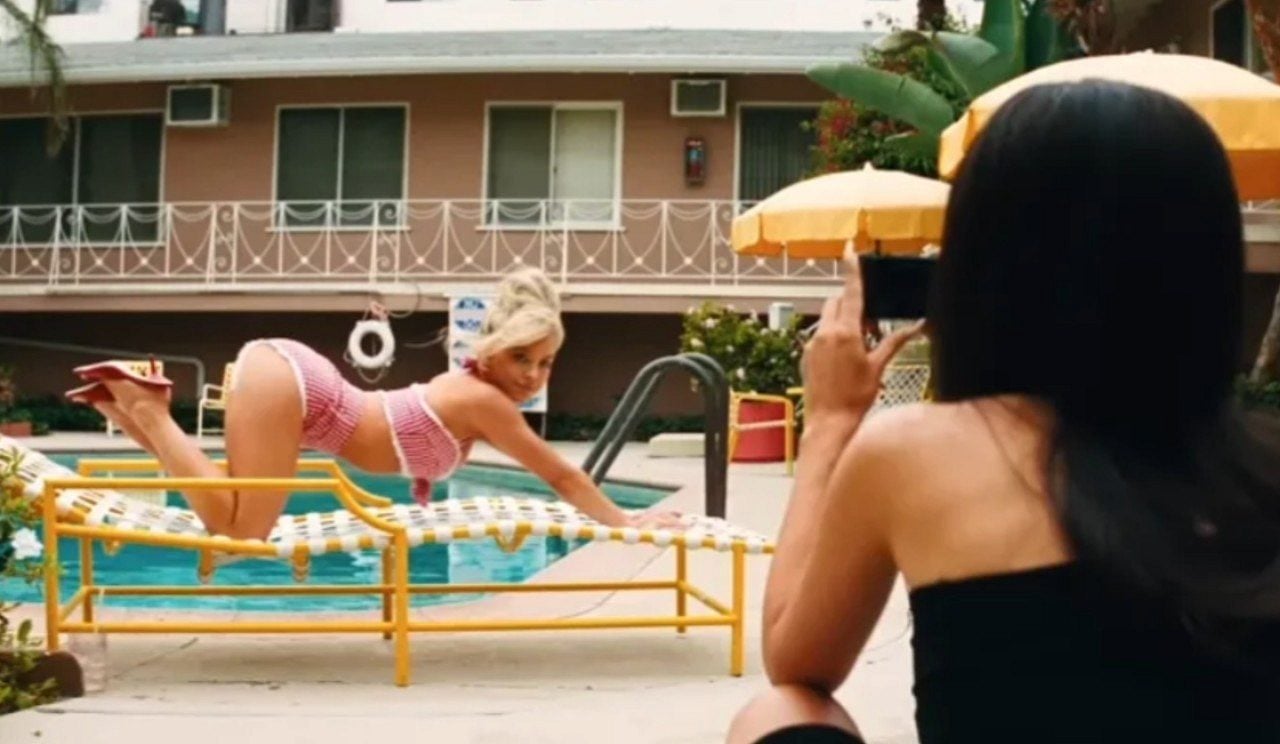
The acclaimed HBO series *Euphoria* returned for its third season on April 12, 2026, with its creator and director, Sam Levinson, once again in the critical spotlight. Além of the recent controversies surrounding the actress Sydney Sweeney and her history on OnlyFans, old accusations of “aesthetic plagiarism” have resurfaced with the airing of the new episodes.
These persistent allegations focus on Levinson’s alleged appropriation of Canadian photographer Petra Collins’s signature visual style. Collins’s work is recognized for a hazy, ethereal atmosphere present in her photographs and music videos. The controversy intensified after Collins was fired from the HBO team, while her visual aesthetic continued to be visibly present in the series.

Reemergence of plagiarism accusations
The discussion about aesthetic plagiarism is not new to *Euphoria*. Desde the first seasons, observers and critics point out notable similarities between the series’ art direction and photography and Petra Collins’s portfolio. The photographer, known for capturing contemporary youth with a dreamy and, at times, dark look, has a very particular style. The coincidence that Collins was initially involved in production before being removed, with its visual signature remaining, fuels accusations of appropriation. Especialistas in aesthetic copyright indicate that while inspiration is common in art, the line is crossed when distinctive elements are replicated without attribution or consent, especially after the original creator is fired.
Levinson and the *Euphoria* team argue that the series’ aesthetic is the result of a collaborative process and a broad artistic vision that encompasses diverse influences. However, critics argue that Collins’s dismissal, followed by maintaining a style so similar to his own, suggests more than simple inspiration. The series is praised for its visual beauty and impact, but the shadow of plagiarism can affect the perception of its originality. The debate raises important questions about authorship and ethics in the entertainment industry, where visual style can be as marketable as the script.
The visual signature of Petra Collins
Petra Collins has built a distinctive career through an aesthetic that has become synonymous with a certain type of representation of adolescence and femininity. Seus works are marked by a dreamlike, almost ethereal atmosphere, which translates into a recognizable style. The artist uses elements that evoke nostalgia and vulnerability, often with a touch of surrealism.
- Use of soft, diffused lighting to create a hazy environment.
- Saturated pastel colors and warm tones, often with pinkish or bluish filters.
- Focus on introspective and melancholic expressions of the characters.
- Compositions reminiscent of analogue photographs and music videos from the 90s.
- Themes of self-exploration, sensuality and teenage angst.
This visual approach aligns with the narrative of *Euphoria*, which explores the complexities of teenage life with a focus on themes such as addiction, identity and relationships. The presence of these elements in the series, even after the departure of Collins, highlights the strength of their influence and the core of the aesthetic controversy that accompanies the production. HBO and the series’ producers have not publicly commented on the specific firing of Collins or the plagiarism allegations surrounding it.
Reactions and the context of the series’ return
The return of *Euphoria* for its third season intensified the scrutiny on Sam Levinson. Além of the controversy with Petra Collins, the creator had already faced criticism for issues such as the graphic representation of scenes and the supposed glorification of certain sensitive themes. The new season arrives after a considerable hiatus, and fans’ expectations are high.
The initial reception of the new episodes mixes enthusiasm for the plot and the cast’s performance with the renewal of ethical discussions. The attention focused on actress Sydney Sweeney, for example, after the revelation of her work on OnlyFans, also added a layer of complexity to the environment surrounding the series. Embora the case of Sweeney is of a different nature, it adds to a pattern of scandals and debates that often accompany the production. Essas Controversies, whether about artistic authorship or the personal lives of the actors, impact the public perception of *Euphoria*, transforming it into a focal point for broader discussions about pop culture and its limits.
The border between inspiration and copying in art
The discussion about aesthetic plagiarism in *Euphoria* revives an old debate in the world of art and creation: where does inspiration end and copying begin? In the visual field, delimitation is often subjective and complex, as artists naturally influence each other and build on existing works. Fotógrafos, film directors and designers often cite other creators as sources of their aesthetics, but the line becomes blurred when the similarity is such that it undermines originality or when there is a direct working relationship that is interrupted.
In the case of *Euphoria* and Petra Collins, the issue is compounded by the fact that Collins was part of the HBO team. The continued use of a visual language that she popularized after her departure from production raises questions about the ethics of appropriation. Este scenario provokes reflections on the protection of intellectual property in visual formats and how creative industries must navigate between admiration for styles and undue reproduction. The controversy serves as a case study in the importance of attribution and respect for individual authorship, even in a collaborative environment like high-profile television production.





