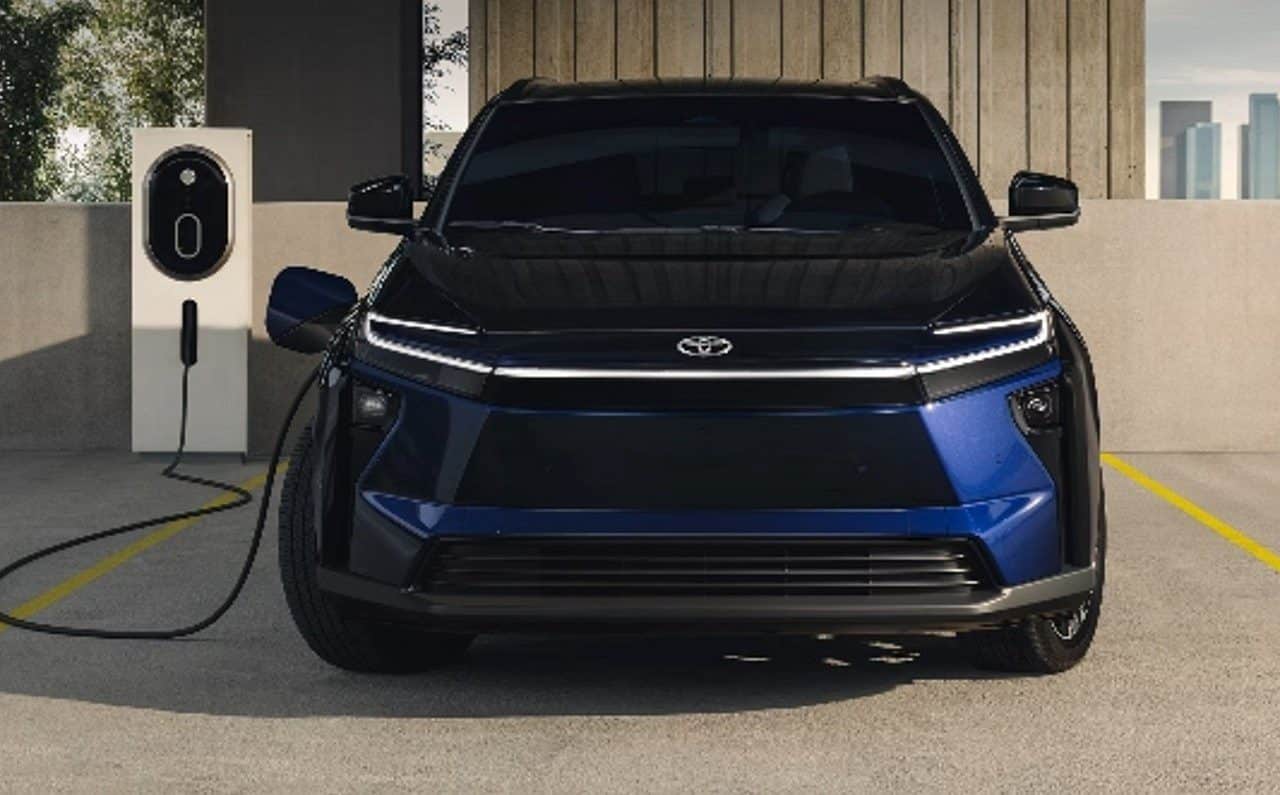
The Toyota bZ 2026 set a new efficiency record among tested electric vehicles. One reviewer drove 120 miles in XLE FWD model Plus and averaged 5.4 miles per kWh. The result surpasses the previous benchmark of 4.5 miles per kWh achieved with another electric crossover. The battery has a capacity of 74.7 kWh and EPA-estimated range reaches 314 miles on the combined cycle.
The brand represents progress compared to the previous model in the line. Testing took place primarily in ECO mode to maximize energy usage. Especialistas indicate that real efficiency can allow effective autonomy greater than the official projection under favorable conditions.
Efficiency performance during testing
The driver completed the 118-mile journey in mixed city and highway conditions. The average efficiency achieved was 5.4 mi/kWh, which surpasses all previous records from the same testing team. On long distance stretches the average dropped to 5 mi/kWh. Já on short routes it reached 8.1 mi/kWh.
These numbers highlight the use of the 74.7 kWh battery. The previous model in the same family, with a 71.4 kWh battery, recorded an average efficiency of just 3.1 mi/kWh in the same type of evaluation. The difference allows the electric vehicle to travel greater distances with the same charge.
- Overall average efficiency: 5.4 mi/kWh
- Best result over long distance: 5 mi/kWh
- Best result in short distance: 8.1 mi/kWh
- Level 1 average charging rate: 5.2 km/h
Recharging speed on a level 1 home charger has improved compared to its predecessor, although it is still below direct rivals. Especialistas recommend installing a level 2 charger for more practical daily use.
Price and market positioning
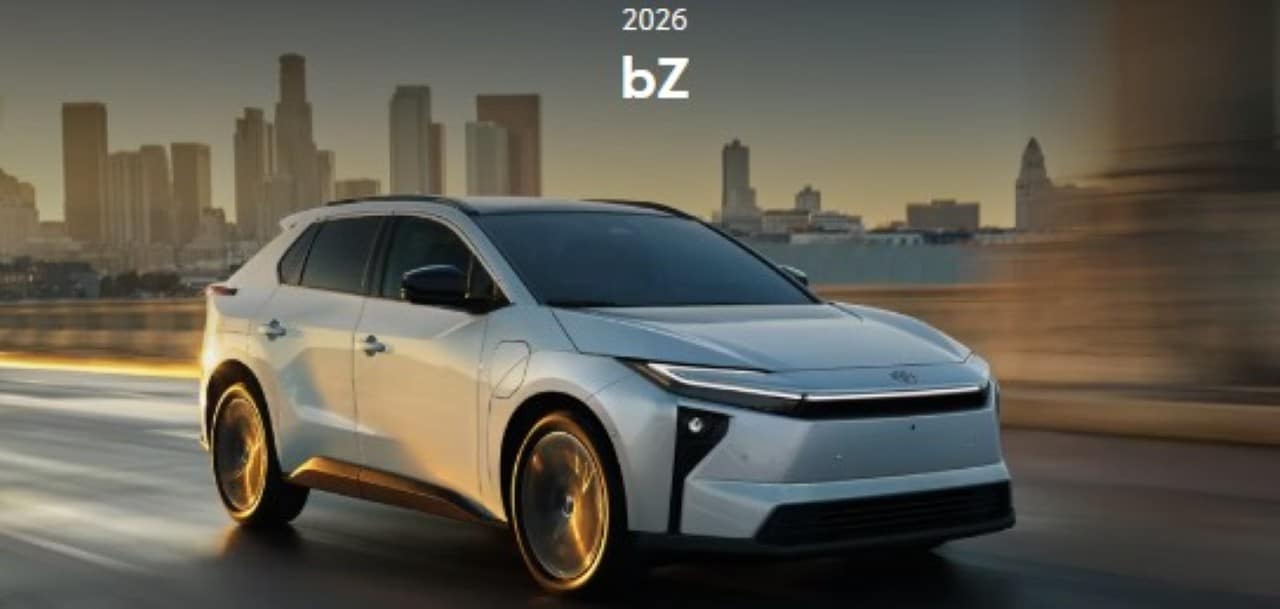
The starting suggested price of the Toyota bZ 2026 starts at $37,900 for the tested version. Esse value is below the previous model’s price, which reached 43,070 dollars in a similar configuration. The reduction makes the crossover more affordable within the compact electric vehicle category.
The cost per kilometer also benefits from high efficiency. With an average residential rate of 18.05 cents per kWh in Estados Unidos, the cost for a full charge is around $13.48. In a five-year projection, with 1,600 kilometers per month, the total estimated expenditure on electricity reaches 2,005.56 dollars.
The model offers a good balance between price and practical attributes. Ele competes with options like Nissan Leaf and other entry-level electric crossovers, but stands out for its combination of autonomy and reduced operating cost.
Internal space and comfort
The interior of the Toyota bZ 2026 has ample space for five occupants. The rear seats offer good legroom, better than many compact rivals. The trunk maintains practical capacity for daily use.
The design avoids the cramped feeling common in some electric SUVs. The driver’s seat allows for comfortable adjustment and the driving position favors longer journeys. Materiais and finish follow the brand’s usual standard, with a focus on durability.
Assistive features and home screen
Adaptive cruise control works smoothly on highways and reacts well in slow-moving traffic. Sensors and cameras detect lane changes and adjust speed and braking as necessary. Acceleration back to the programmed speed occurs progressively.
The central screen has grown to 14 inches and delivers a sharper image with vibrant colors. Essa update improves visibility compared to the previous 12.3-inch version. The system includes Apple CarPlay and Android Auto compatibility.
Points that need attention
The 7-inch digital instrument panel display is positioned higher than usual. Embora This configuration aims to improve visibility, some drivers report distraction when looking up information. The steering wheel does not block the view, but the angle requires adaptation.
The entertainment software interface still has a generic look and less intuitive navigation. Ela does not offer the same refinement found in competitors. Apesar Furthermore, the system responds adequately to basic functions and maintains connectivity with smartphones.
General model evaluation
The Toyota bZ 2026 combines record efficiency with an affordable price and generous interior space. The electric crossover has evolved in several aspects compared to its predecessor and is positioned as a practical option for drivers who prioritize cost-benefit and daily range.
The focus on reduced energy consumption represents a clear advantage in a scenario of variable electricity prices. The model delivers adequate performance for urban and highway use without exaggerating power. Ele It meets the needs of those looking for a reliable electric vehicle for everyday life.
