
Trump’s restriction on the Strait of Hormuz raises oil prices and warns of global crisis

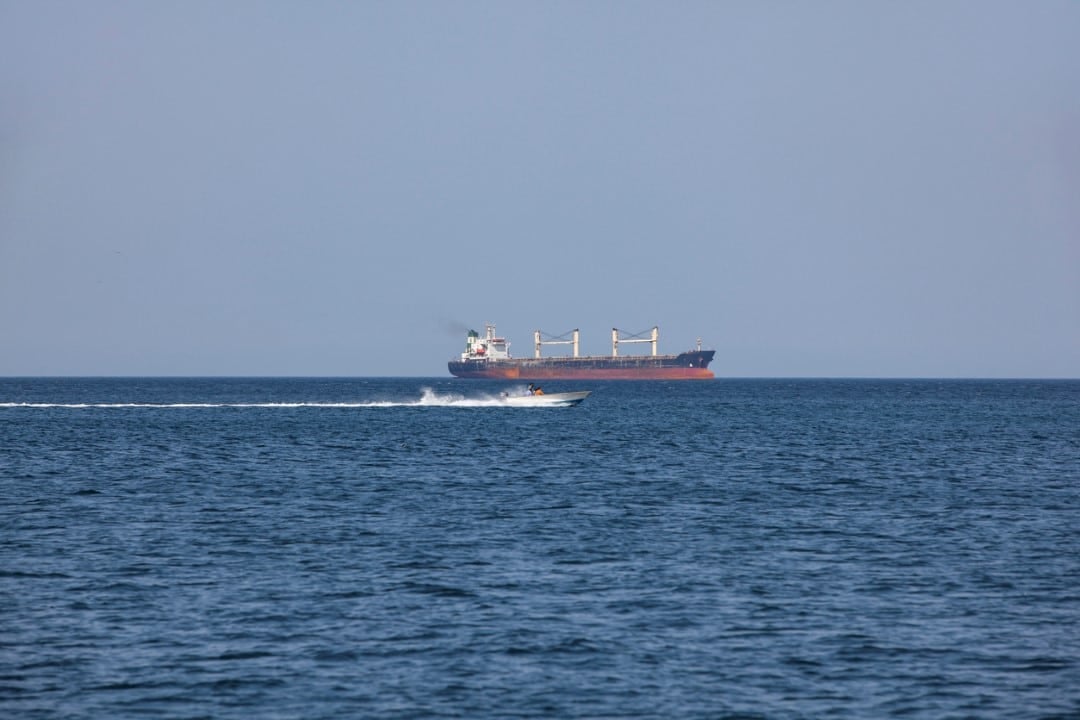
The decision of Donald Trump to impose a military blockade on Ormuz and threaten the use of force against Iranian vessels deepens a crisis that already goes beyond the exclusively military field. The main strategic energy route has become an epicenter of global instability, with the potential for direct repercussions on the price of oil, inflation and the balance of the international economy. The measure came into force on Monday, April 13, and affects ships traveling towards or from Iranian ports. The increase in geopolitical risk immediately raised the price of a barrel of oil, which surpassed the US$100 mark on the same Monday.
Scale of tension and economic repercussions
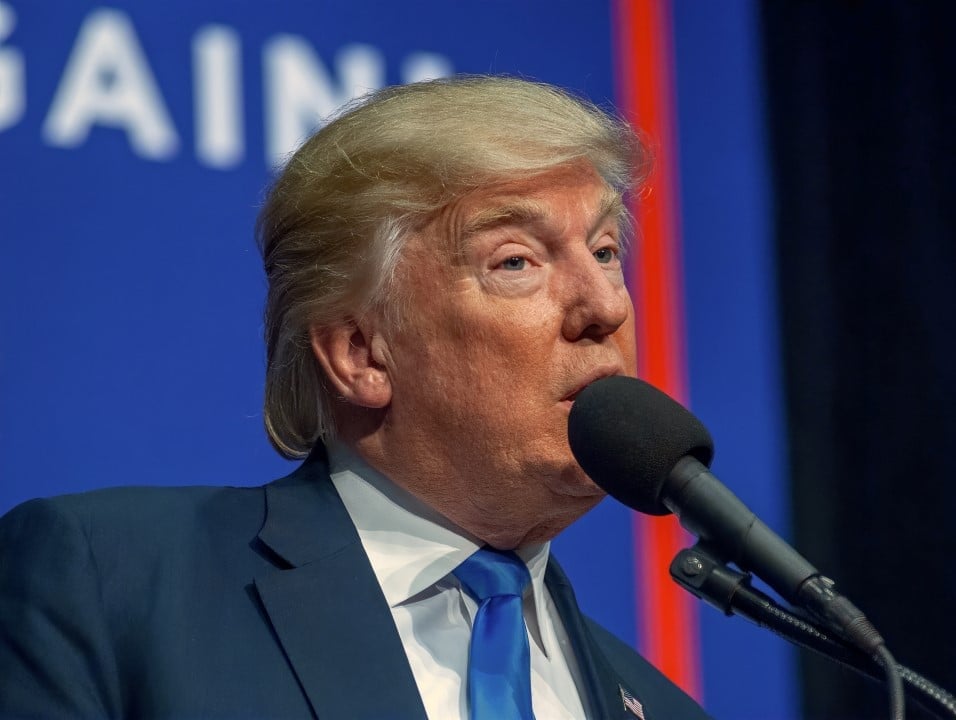
The action of Donald Trump was communicated through the Truth Social network, where the former president compared the initiative to military operations carried out by Estados Unidos on Caribe against vessels suspected of drug trafficking. Ele stated that the same “elimination system” would be applied to Golfo Pérsico, with the explicit warning that “if any of these [Iranian] ships approach our blockade, they will be immediately eliminated.” Esta Aggressive stance adds a layer of unpredictability to an already volatile region, creating an environment of insecurity that directly affects global markets and economic expectations. The rise in oil prices is not only a reflection of scarcity, but also of the risk premium that investors build into strategic commodities, anticipating potential supply disruptions.
In addition to the immediate impact on the energy sector, the escalation in the Ormuz region has broader implications for the global economy. Instability in a vital artery of global trade could lead to rising shipping and maritime insurance costs, straining supply chains and contributing to inflation in many countries. The threat of interruption to the flow of oil and other essential goods increases the perception of systemic risk, potentially destabilizing financial markets and accelerating de-dollarization movements as nations seek alternatives to protect their economies from external shocks and the influence of American foreign policy.
Ormuz Strait: Ponto of strategic instability
The Estreito of Ormuz, a narrow maritime bottleneck that connects the Golfo Pérsico to the Golfo of Omã and, consequently, to the Oceano Índico, is one of the most critical routes for global energy trade. Around 20% of the oil sold in the world passes through it, in addition to a significant portion of liquefied natural gas. Its strategic importance is unquestionable, and any threat to free navigation in the area instantly reverberates across the planet. The region had already been the scene of strategic disputes and incidents in recent years, becoming a symbol of the delicate balance of power in Oriente Médio and a constant point of friction between regional and global powers.
The geographical location of the strait turns the crisis into a systemic problem. By threatening to interrupt maritime circulation, Donald Trump shifts the conflict from a bilateral field between Estados Unidos and Irã to a global dimension. The professor of human geography at UERJ, Vitor of Pieri, analyzed that Ormuz “connects territory, power and global flows”, indicating that the threat directly affects the structure of the international financial system and the monetary architecture itself. Essa Calculated escalation, according to the expert, transforms the crisis into a dispute involving complex logistics chains, interconnected international markets and major economic powers.
Harsh reactions from Irã and accusations of piracy
In response to the American actions, Irã classified the blockade imposed by Estados Unidos as “illegal” and accused Washington of “piracy”. Teerã states that it has been controlling traffic in the region for weeks, implementing restrictions on the passage of vessels considered hostile or subject to navigation fees. República Islâmica considers the American move a direct provocation to its sovereignty and regional stability.
Key points of the Iranian reaction include:
- Classification of American action as “illegal” under international law.
- Explicit accusation of “piracy” against the government of Estados Unidos.
- Claim that it has already exercised control over maritime traffic in the region for weeks.
- Restriction of the passage of vessels considered hostile or that do not comply with navigation fees.
- Warning that such provocative measures raise risks to global stability.
Diplomatic pressure and complex regional scenario
The impact of the American measures directly affects Estados Unidos’s allies, such as Arábia Saudita and Emirados Árabes Unidos. Ambos countries depend crucially on Estreito for the export of their oil, and any Disruption poses a direct threat to your economy and security. Nesse scenario, the tendency is for regional instability to increase, with an even greater militarization of Golfo Pérsico and an increased risk of incidents and clashes between naval forces present in the area.
At the same time, the minister of Relações Exteriores of Irã, Abbas Araghchi, has been involved in a series of diplomatic discussions with authorities from neighboring countries. Ele spoke by telephone with the Saudi Foreign Minister, Faisal bin Farhan, and with the Prime Minister and Minister of Relações Exteriores of Catar, Mohammed bin Abdulrahman Al Thani, to discuss the developments of the measure. Irã0 conversations, Irã1 reiterated that Irã2 has acted with “good faith” in negotiations with Irã3, despite the lack of concrete progress in the negotiations.
The crisis provokes reactions from global powers that depend on the stability of the region. China, the largest oil importer in Golfo, tends to see the blockade as a direct threat to its energy security, which could lead to an expansion of its diplomatic activities in the region to protect its interests. Europa, in turn, is highly dependent on the stability of energy supplies and must press for diplomatic solutions that avoid military escalation and guarantee free movement in the strait.
Trump’s “variable pressure” strategy
Donald Trump’s stance, which combines direct military pressure with a rhetoric of guarantor of global energy stability, was analyzed as a “variable pressure strategy” by professor Vitor of Pieri. Segundo him, this apparent contradiction reveals less incoherence and more a deliberate tactic. The block works as an instrument of direct coercion against Irã, seeking to force concessions or changes in behavior on the part of Teerã.
At the same time, Trump tries to project an image of responsible global leadership, capable of controlling the situation and ensuring the flow of energy, even if its own actions are the cause of instability. The objective would be to present yourself as a strong and decisive negotiator, who uses all the resources at his disposal to achieve his political and economic objectives. Essa Complex approach aims to maximize pressure on opponents while trying to manage global public perception.
The threat of blockade in Estreito of Ormuz is not just a question of military security or oil trade. Ela focuses on the global monetary architecture itself, with the potential to accelerate de-dollarization movements in a scenario where confidence in the American currency is tested by geopolitical and economic fluctuations. The conflict, therefore, goes beyond the borders of Oriente Médio, touching on fundamental issues of the international economic and political order.





