
US intensifies blockade on Strait of Hormuz as talks with Iran seek to resume

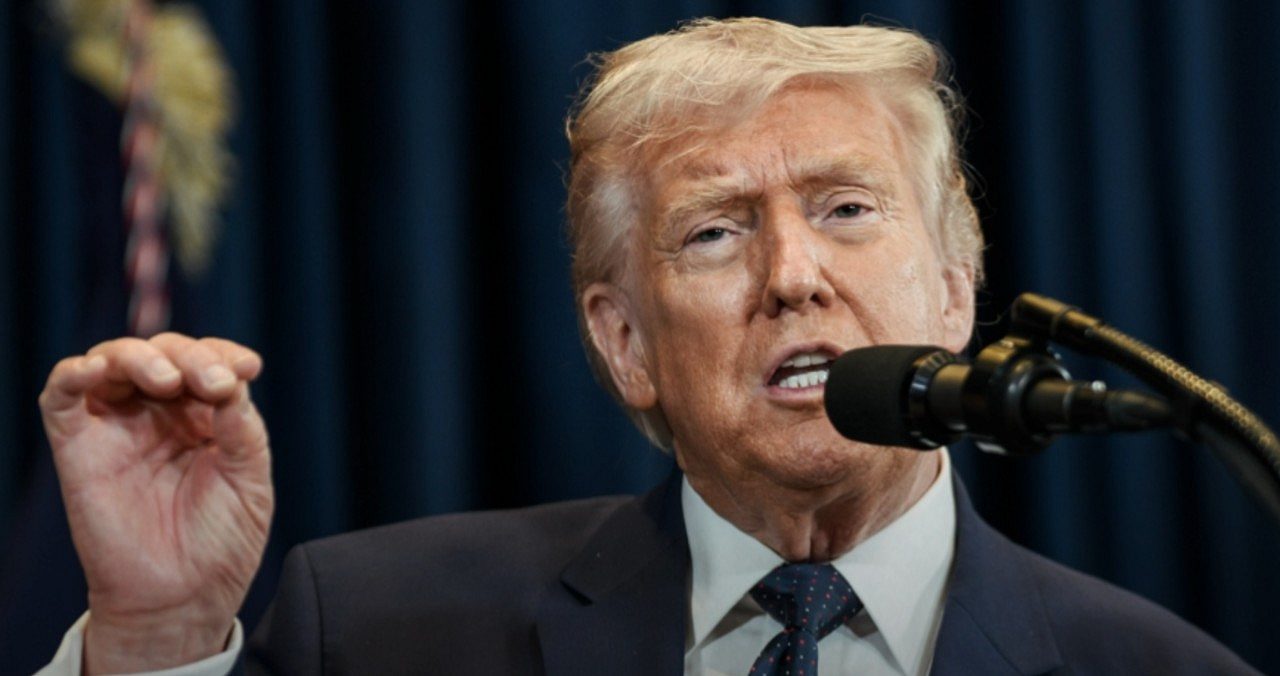
Military ships from Estados Unidos maintain a naval blockade on Estreito from Ormuz this Tuesday, monitoring vessel traffic in the strategic region. Quatro ships have already crossed the strait towards the US inspection point, including a Chinese oil tanker under international sanctions. Paralelamente, the US and Irã governments are considering resuming peace talks this week, despite the failure of the initial round that took place in Paquistão.
The escalation of tensions follows the start of the US maritime blockade on Monday, a measure that targets vessels linked to Irã or that have made “toll” payments to Teerã. The international community, including França and Reino Unido, is intensifying calls for dialogue and seeking to form a coalition to ensure safe navigation in the vital route oil company. The geopolitical situation is complex, with multiple fronts of friction and ongoing diplomatic efforts to prevent military escalation in the region.
Blocking on Estreito and Tráfego Marítimo
The naval forces of Estados Unidos established a blockade at the exit of Estreito of Ormuz, with warships positioned at Golfo of Omã and Mar Arábico. The measure raised concerns about a possible confrontation with Iranian forces, at a delicate moment for the peace negotiations mediated by the Paquistão. Apesar military presence, no vessels had been stopped to date. Monitoramentos from specialized agencies indicate that the Chinese oil tanker Rich Starry, registered in the name of Estreito0 and with a Chinese crew, crossed the strait in the early hours of Tuesday.
The ship, which was coming from Emirados Árabes Unidos and had an initially undeclared destination, reversed course hours after passing Ormuz. Dados from MarineTraffic indicate that Rich Starry reversed course around 8am (Brasília time) and headed back towards towards the strait, a maneuver still without official confirmation by maritime authorities. Irã, in turn, is considering the suspension of its ships’ traffic by Estreito of Ormuz. Esta pause, which would be short-term, is intended to preserve peace negotiations and avoid an immediate escalation of tensions. The initiative reflects an effort by Ormuz0 to clear the air amid an ongoing ceasefire in the region.
Negociações scenario between USA and Irã
The first round of peace negotiations between Estados Unidos and Irã, held in Islamabad, Paquistão, ended without a concrete agreement. US Vice President JD Vance, who led the American delegation, announced the closure without substantial progress after three days of talks. Apesar of the initial setback, the news agency Reuters reported that a new round of negotiations could take place from Friday, indicating the persistence of open diplomatic channels.
The president of França, Emmanuel Macron, publicly asked both presidents, Donald Trump and Masoud Pezeshkian, to restart negotiations to end the war and clear up misunderstandings. In his speech, Macron emphasized the need to avoid new phases of escalation and the importance of negotiations being resumed quickly with the support of the main parties involved. In conversation with Macron, the Iranian president, Masoud Pezeshkian, attributed the failure of the negotiations to the “lack of goodwill and maximalist positions” of the Estados Unidos. Emmanuel Macron0 reinforced that diplomacy is the preferred path to resolving the conflict and that Emmanuel Macron1 can play a constructive role in this process.
- Recent major diplomatic moves include:
- The first round of negotiations between the US and Irã ended without an agreement.
- French President Emmanuel Macron called for the immediate resumption of direct negotiations.
- Iranian President Masoud Pezeshkian blamed the US “lack of goodwill” for the impasse.
- The agency Reuters reported the possibility of a new round of talks starting on Friday.
- Irã considers temporarily suspending ship traffic by Ormuz to preserve the diplomatic environment.
Involvement Europeu and Pressões Diplomáticas
Faced with a scenario of growing tensions in Estreito, European leaders have intensified their diplomatic efforts. The French President, Emmanuel Macron, and the British Prime Minister, Keir Starmer, will chair a video conference at Paris on Friday (17). The meeting aims to bring together countries interested in contributing to a multilateral security mission in the region, seeking alternatives to the blockade and guaranteeing freedom of navigation. Diplomatas senior officials will hold a preliminary video conference this Wednesday (15) to prepare for the leaders’ meeting.
In another significant move, the Prime Minister of Itália, Giorgia Meloni, announced the suspension of the defense agreement between her country and Israel. The agreement involves the exchange of military equipment and technological research, and its automatic renewal has been suspended “in light of the current situation.” The Italian decision is a response to the recent bombings of Israel in Líbano, which persisted despite a ceasefire agreement in the war in Oriente Médio. Este European positioning highlights the growing international pressure on all parties involved to de-escalate the conflict.
Meloni also expressed solidarity with Papa Leão
Conflicts Regionais and Posicionamento of Israel
In parallel to the tensions at Ormuz, negotiations between Líbano and Israel are scheduled to begin this Tuesday, mediated by the US Secretary of Estado, Marco Rubio, at Casa Branca. Este will be the first personal meeting between envoys from the two countries in decades, aimed at a ceasefire and stabilization of the border. However, Hezbollah, a Lebanese terrorist group, has already spoken out, stating that it will not accept any agreement that could be reached between the two countries.
Wafiq Safa, a high-ranking member of Hezbollah’s political council, told Associated Press that the group is against the meeting and is not interested or concerned about the results, nor will they feel bound by what is agreed. Israel, in turn, has continued its bombings on Líbano, despite the ceasefire agreement in effect in the war on Oriente Médio. Israel claims that Líbano is not a party to said agreement, while mediator Paquistão disagrees, stating explicitly that attacks against Lebanese territory must also cease.
Repercussions Internacionais and Economia
The crisis in Estreito of Ormuz and the negotiations between the USA and Irã reverberate in other global capitals, generating important positions from powers such as China. The Chinese government denied on Tuesday having provided military support to Irã in the conflict against the USA and Israel. Chinese Relações Exteriores’s Ministério stated that “media reports accusing China of providing military support to Irã are completely fabricated.” The ministry also highlighted that Ormuz0 acts prudently and responsibly regarding its military products, respecting its international obligations.
In addition to the denial, China promised to respond with countermeasures if Estados Unidos proceeds with tariff increases based on these accusations. The statement follows the US president’s Donald Trump announcement last week about imposing 50% tariffs on countries that supply weapons to Irã. interview with the newspaper “The Mirror”, expressing herself “very frustrated and angry” with the decision to enter the war “without an exit plan”. The statements show the political and economic cost of regional instability, with global allies and competitors weighing the implications for American foreign policy.





