
Colombia authorizes slaughter of up to 80 invasive hippos linked to Pablo Escobar


The government of Colômbia on Monday authorized a plan to cull up to 80 hippos living free in the country. The measure aims to control the population of animals descended from four African specimens brought in the 1980s to the private zoo Pablo Escobar in Fazenda Nápoles. The minister of Meio Ambiente, Irene Vélez Torres, reported that previous attempts at relocation to other countries and castration did not have enough effect.
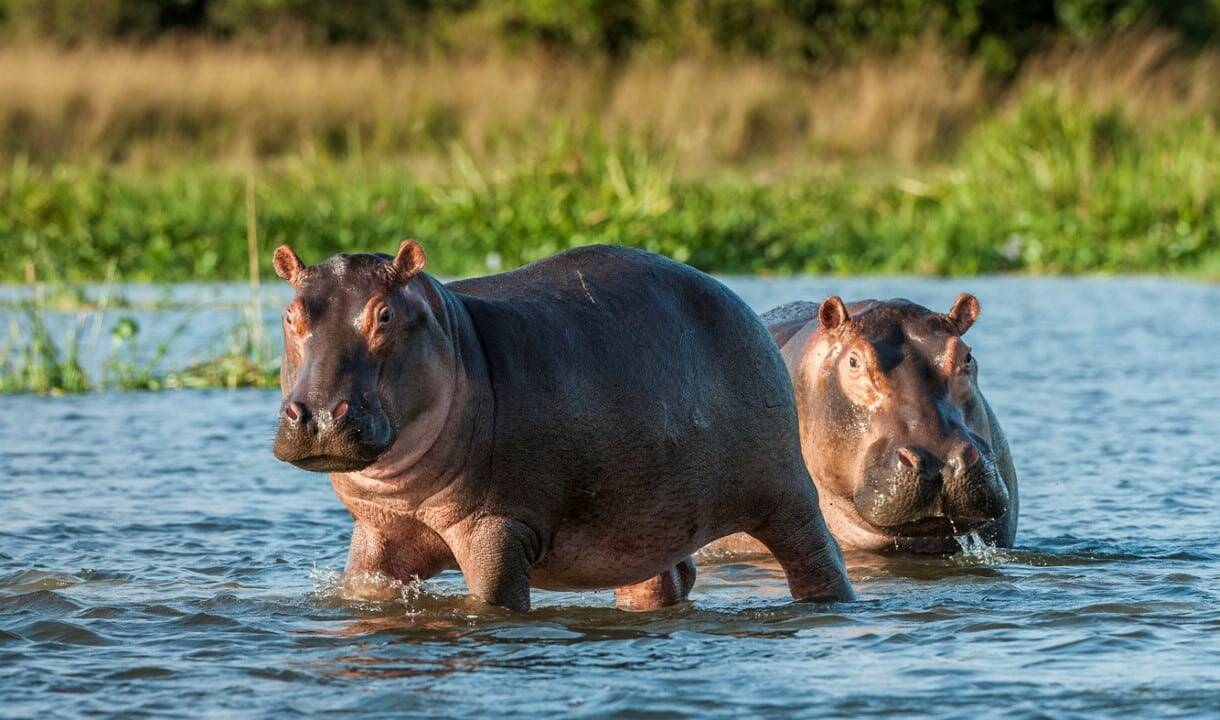
The decision comes after years of debate over the management of the species, considered invasive in the Magdalena river valley region. Autoridades estimates that around 200 hippos currently exist in the country. Sem intervention, the number could reach a thousand by 2035.
Origin of animals and population expansion
Four hippos were imported by Pablo Escobar to his rural property in the river valley Magdalena. Fazenda Nápoles had an airstrip and served as the drug trafficker’s residence. Após the death of Escobar in 1993, the property was abandoned. The animals escaped and bred in nearby rivers.
Over time, the hippos spread more than 100 kilometers north of the original farm. The tropical climate and the absence of natural predators favored the herd’s rapid growth. Hoje the population is mainly concentrated in the Magdalena river area, in the center of the country.
Impacts on ecosystems and local population
Scientists point out that hippos cause damage to native habitats. Eles compete with local species such as manatees and river turtles for resources. The animals also damage agricultural land and pose a risk to residents of the region due to their presence in inhabited areas.
In addition to environmental effects, hippos alter water quality and vegetation along rivers. Relatos indicate that uncontrolled growth puts pressure on the ecological balance of the area. Ministério of Meio Ambiente highlights the need for urgent action to avoid greater impacts in the future.
- Hippos descend from just four animals imported illegally in the 1980s
- The current population is estimated at around 200 individuals
- Projections indicate possible reach of a thousand animals by 2035 without control
- Relocation attempts for México, Índia and Filipinas failed
- Previous castration proved to be expensive and of low effectiveness due to the difficulty of capture
Euthanasia management and use plan
Minister Irene Vélez Torres explained that the initial slaughter of around 80 animals is part of a technical euthanasia protocol. The government allocated resources from Fundo to Vida and Biodiversidade to finance the actions. The plan combines sterilization with selective culling to reduce reproduction.
Officials say the measure is necessary because other methods have failed. International relocation faced genetic and logistical issues. The slaughter should begin in the second half of this year, coordinated with regional environmental corporations. The estimated cost for each procedure is high, which reinforces the option for an integrated strategy.
A Fazenda Nápoles as current theme park
The former property at Pablo Escobar now operates as a theme park. The site includes swimming pools, water slides and a zoo with other African species. Hippos have become one of the main attractions for tourists. Moradores from nearby villages promote observation tours and sell animal-related souvenirs.
Despite environmental problems, the presence of hippos generates economic activity in the region. The park was confiscated by the government after Escobar’s death and turned into a public space. Visitantes are still looking to see the animals that escaped from the old private zoo.
Reactions from activists and animal defenders
Animal rights activists take a stand against slaughter. Eles argue that hippos are victims of human introduction and deserve non-lethal solutions. Senator Andrea Padilla criticized the decision and argued that the problem stems from past negligence on the part of the authorities.
Environmental groups call for continued efforts to sterilize and manage them without violence. Eles highlight that Colômbia has experienced decades of internal conflicts and that lethal measures can send an inappropriate message. The government maintains that the action is responsible and based on scientific evidence to protect native ecosystems.
Ministério of Meio Ambiente continues to work on additional relocation plans for the remaining animals. The strategy seeks to balance the preservation of biodiversity with public safety in the affected region.





