Oppo launches high-end smartphone in Japan with 200 megapixel camera and photography kit

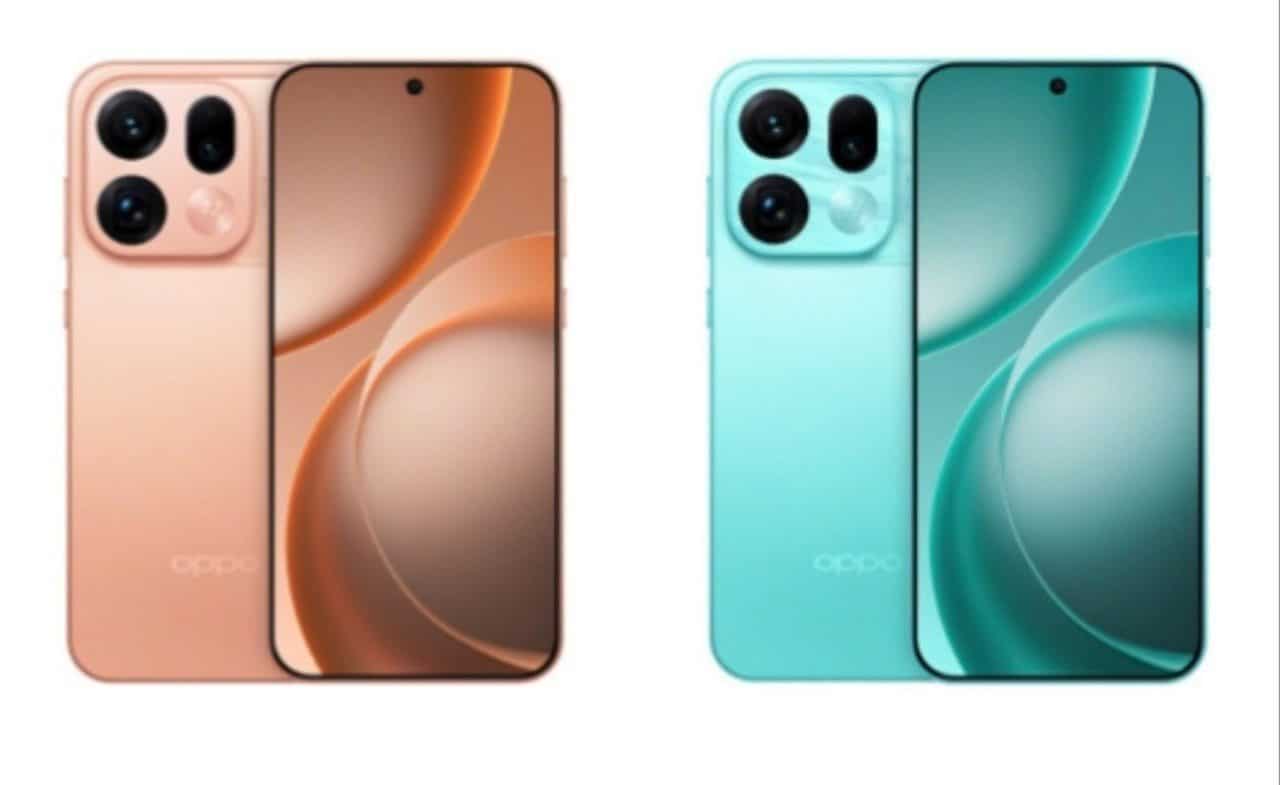
Chinese manufacturer Oppo confirmed the introduction of its most advanced line of cell phones on the Japanese market. The main model of the new generation focuses on high photographic capacity to attract demanding consumers and image professionals. Distribution of the device begins during this year’s Asian summer period.
The strategic move marks the first time that the company has exported the premium series to the archipelago. The company is trying to gain ground in a sector dominated by traditional brands, investing in professional-grade optical components. The regional announcement anticipates the global reveal of all technical specifications, scheduled for the end of April. The focus of the campaign is on the integration of robust hardware with modular accessories.

European partnership and optical system architecture
The image capture suite represents the technological core of the new mobile device. The rear architecture houses four distinct lenses, developed in conjunction with Swedish brand Hasselblad. The main component operates with a 200-megapixel sensor designed to record extreme levels of detail in complex scenarios. A 50-megapixel ultra-wide-angle lens complements the system for photographs of wide landscapes and large groups of people. The approach module uses two independent telephoto cameras. The first offers three times optical zoom for conventional portraits. The second lens achieves a tenfold optical approximation, allowing you to capture distant objects without loss of resolution. Internal processing combines information from all lenses to balance colors and contrasts. Color calibration follows the rigorous standards of the European partner, seeking more natural and less saturated tones than the market average. The camera software also simulates the behavior of classic analog equipment.
Advanced algorithms work behind the scenes to reduce visual noise in nighttime or indoor environments. Pixel blending technology groups adjacent points of light to form a sharper, brighter final image. The result directly serves photographers who use the phone as their main instrument for daily work.
Modularity and accessories aimed at ergonomics
The experience of using the hardware gains a physical complement with the introduction of a package of specific accessories. The set transforms the traditional phone format into a structure similar to a dedicated compact camera. A special protective cover adds an anatomical hand support to the side of the chassis. Este element improves steadiness during extended imaging sessions. The accessory incorporates configurable physical buttons that replace touches on the glass screen. The user can trigger the shutter or adjust the zoom level directly via touch controls.
The expansion package also provides for the attachment of external optical elements. An additional telephoto lens can be attached to the original device module. Essa Modular approach brings back concepts previously tested by the industry, but now applied to a high production volume product.
Expansion and competition strategy in the Asian market
The entry of the brand’s most expensive line at Japão signals a change in the manufacturer’s international distribution policy. Historicamente, devices with maximum specifications were restricted to the Chinese public or hand-selected European markets. The Japanese consumer has a high purchasing power profile and a strong preference for premium devices. Apple and Samsung concentrate most of the sales of high-cost phones in the region. The introduction of a Chinese competitor with an extreme focus on photography creates a new pricing and resource dynamic in local retail. Analistas observe this movement as an acceptance test for future expansions in the Américas. Product adaptation requires full compatibility with the fifth generation networks of local operators. The device also needs to integrate contactless payment protocols exclusive to the Japanese financial system. Commercial performance in these first months will define the production pace for the rest of the year.
Pending specifications and artificial intelligence integration
Full details on processing capacity and power autonomy remain under embargo until the global conference. The April 21 event will detail the internal architecture of the processor and the ultra-fast battery charging standards. The technology industry in 2026 will adopt generative artificial intelligence as standard in mobile operating systems. The new device must incorporate native visual editing tools based on complex language models.
The consolidation of information released by the regional distributor reveals the pillars of the Asian launch. The technical data confirmed to date form the basis of the product’s advertising campaign:
- Main photographic sensor with 200 megapixel resolution.
- Dual optical approximation system with ranges of 3x and 10x.
- 50-megapixel auxiliary lens for wide-angle captures.
- Color calibration and software developed with Hasselblad.
- Modular accessories with physical buttons for image control.
- Start of commercial operations scheduled for the Japanese summer.
Impact on the high-cost device segment
The strategy of focusing on a specific niche of content creators differentiates the product on shelves full of generic options. The manufacturer avoids the war of pure processing specifications to highlight the practical usefulness of the camera set. The availability of the physical expansion kit reinforces the message that the phone functions as a dedicated tool. The market awaits the definition of price ranges to understand the brand’s level of commercial aggressiveness. The relationship between photographic cost and benefit will determine the company’s ability to convert users from competing platforms in the coming months.
Carolina Costa é colaboradora da redação do Mix Vale, portal de notícias com cobertura de Brasil e mundo. Produz conteúdo nas editorias de economia e benefícios, com foco em informação de serviço para o leitor brasileiro. Escreve para o portal desde 2019. Formação: Administração