Stock trading in São Paulo came to an automatic standstill at 9:57 a.m. on Monday (26) while still in the opening auction. B3, the operator of Brazil’s main financial exchange, activated its circuit breaker mechanism—an emergency tool that automatically pauses transactions during sharp market sell-offs—and froze equity negotiations for 30 minutes on the first business day following the reelection of President Luiz Inácio Lula da Silva of the Workers’ Party (PT).
Selling pressure had already hit Brazilian assets abroad before the local spot market opened. In United States pre-market trading, the iShares MSCI Brazil ETF (EWZ), the largest exchange-traded fund tracking Brazilian equities in New York, dropped by more than 20%. Domestic derivatives also posted steep losses early in the morning: the commercial dollar climbed 12.52% to R$ 5.60 at 9:30 a.m., while the Ibovespa futures contract maturing on December 16, 2026 (INDZ26) tumbled 17.07% around 9:40 a.m. In the interest rate market, Interbank Deposit (DI) futures contracts for January 2027 rose 54 basis points to reach 14%.
Financial instruments affected by the freeze and B3 halt stages
According to official notice 668/2026-SSN issued by B3, the 30-minute suspension blocks orders across the spot equity market, private fixed-income securities and stock options. The pause also covers Brazilian Depositary Receipts (BDRs, which are certificates representing shares of foreign companies traded locally), exchange-traded funds (ETFs), and major market gauges including the benchmark Ibovespa, Ibovespa B3 BR+, IBrX-50 and the Small Cap index.
Under the exchange’s operational rules, the protection system works in three progressive tiers based on losses against the previous day’s closing level. Stage 1 halts transactions for 30 minutes whenever the Ibovespa falls 10%; if the drop deepens to 15% after trading resumes, Stage 2 enforces a one-hour freeze, and a 20% decline triggers Stage 3, allowing the exchange to suspend operations for a period determined at its discretion.
Expanded daily price fluctuation bands for futures and funds
Exchange authorities widened the maximum daily oscillation bands for multiple contracts on the morning of October 26, 2026, to manage extreme volatility during the session. Standard and mini Ibovespa futures contracts (traded under the tickers IND and WIN) had their maximum downward limit expanded first from -10% to -15%, and subsequently to -20%.
Learn more: Brazil 2026 presidential runoff places Flávio Bolsonaro at 50.02% and Lula at 49.98% in TSE count
That same -20% lower threshold was applied to four major domestic equity funds: BOVA11, BOVV11, SMLL11 and SMAL11. In the currency derivatives segment, B3 raised the daily fluctuation cap for standard and mini US dollar futures contracts (DOL and WDO) to 12%.
Presidential runoff numbers and previous trading halts since 2020
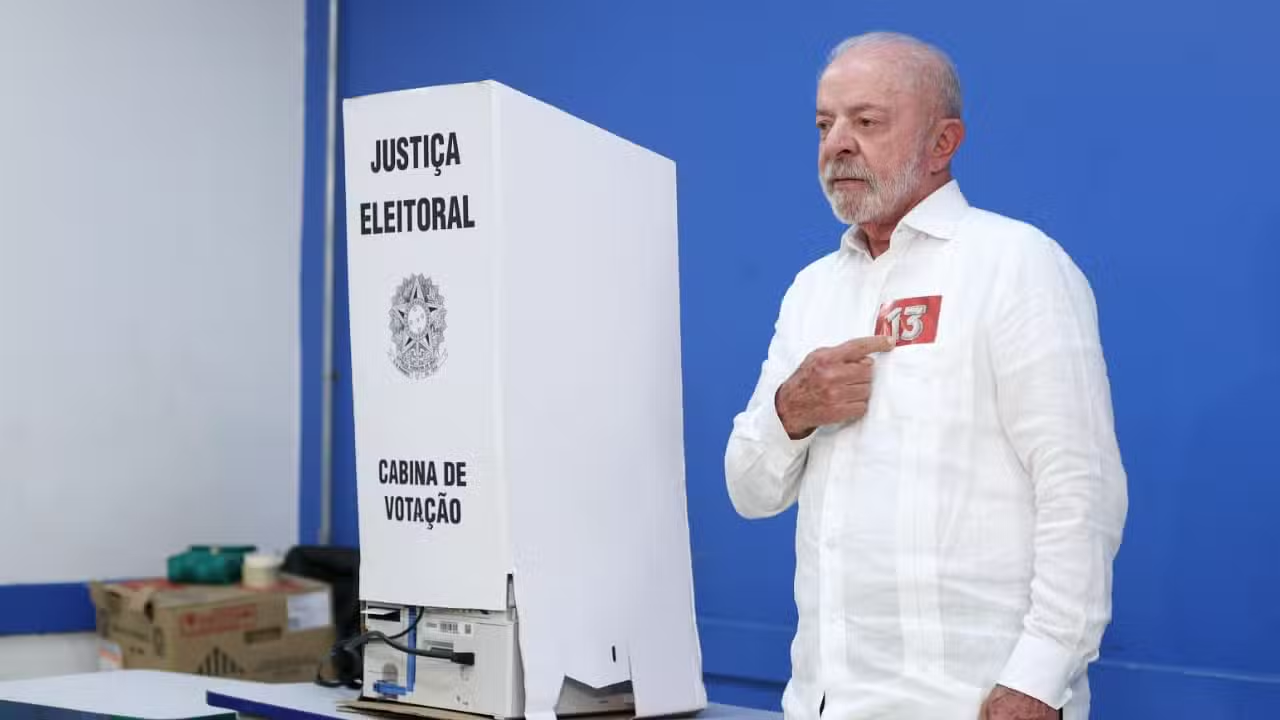
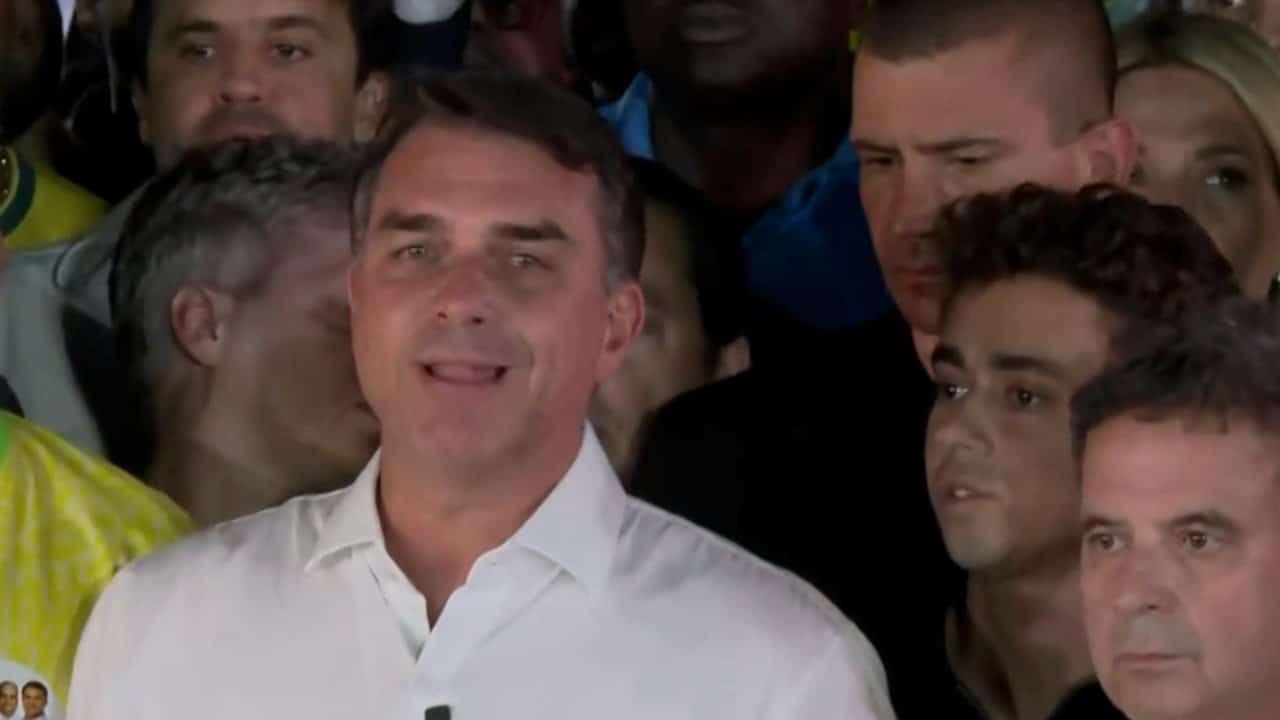
Financial markets reacted directly to the outcome of the presidential runoff held on Sunday (25), when incumbent Luiz Inácio Lula da Silva defeated Senator Flávio Bolsonaro of the Liberal Party (PL). With 100% of voting machines counted, Lula secured 51.79% of the valid votes against 48.21% for Bolsonaro, representing a margin of more than 4.3 million votes. In the first round of the 2026 election, Flávio Bolsonaro had finished ahead by 2.2 million votes, a result that prompted segments of the financial market to build positions anticipating a shift in economic policy.
See also: Lula holds 57.66% to Flávio Bolsonaro's 42.34% as STF extends voting
The morning suspension marks the first time B3 has deployed its automatic market-wide circuit breaker since the onset of the Covid-19 pandemic six years ago. The sequence of events leading to the current freeze and the prior historical triggers includes:
- March 2020: B3 activated the circuit breaker on March 9, 11, 16 and 18, in addition to two separate halts during the March 12 session, amid the global market rout caused by the Covid-19 pandemic.
- October 25, 2026: Luiz Inácio Lula da Silva wins the second round of Brazil’s presidential election against challenger Flávio Bolsonaro.
- October 26, 2026: B3 triggers the 30-minute circuit breaker at 9:57 a.m. during the stock market’s opening auction.
B3 had not announced the exact schedule for resuming continuous trading following the initial 30-minute suspension window. Investors and brokerages await a new technical bulletin from the exchange operator to reopen the order books in São Paulo.