

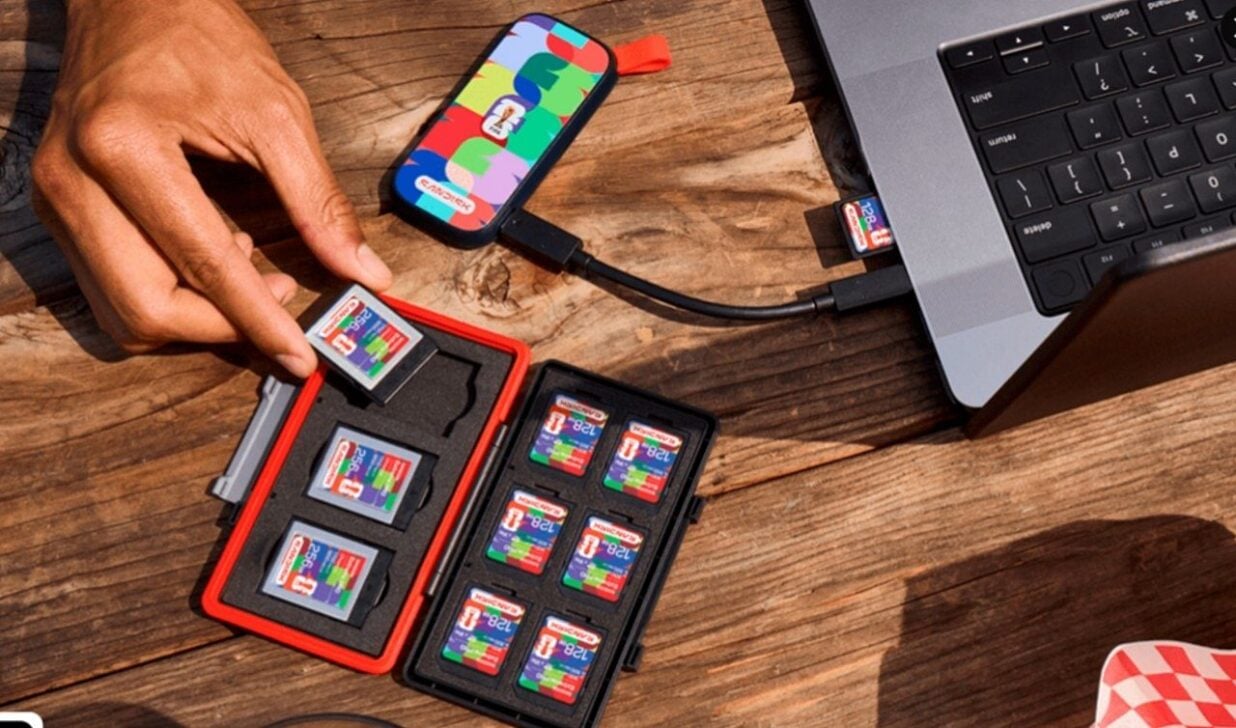
Memory solutions manufacturer SanDisk presented its new line of licensed products for Copa of 2026. The football tournament, which will take place simultaneously on Estados Unidos, Canadá and México, served as inspiration for the design of the equipment. The collection includes options aimed at both the end consumer and image professionals.
The development of these items meets the growing demand for preserving digital files in high-traffic environments. Torcedores, journalists and content creators need fast tools to transfer the massive volume of photos and videos generated in the stands and around stadiums. The partnership with the entity organizing the event guarantees the use of exclusive visual identities in each piece.
The impact of content production on major sporting events
The dynamics of consumption in sporting competitions on a global scale have undergone profound transformations with the advancement of image resolutions. Current smartphones routinely record in 4K format, while professional equipment already operates with the 8K standard for broadcasts and documentaries. Esse leap in quality results in extremely heavy files, which exhaust the devices’ internal storage in short periods of time. Durante In a ninety-minute match, a single spectator can generate tens of gigabytes in records of moves, celebrations and behind the scenes. The scenario requires external solutions that allow rapid emptying of main memories without exclusive dependence on cloud connections. Mobile internet networks in areas with a large concentration of people tend to be unstable, which makes it impossible to immediately upload heavy materials. Physical storage regains its leading role in this operational context.
Compact devices solve the real-time data transfer bottleneck. The ability to plug an accessory directly into the cell phone or camera port speeds up the workflow. The user guarantees the backup and frees up space to continue documenting the event.
Engineering and design applied to new portable devices
The aesthetic highlight of the new series falls on the pen drive with USB-C connection molded in the shape of a referee’s whistle. The accessory incorporates a themed lanyard in the packaging, making it easier to wear around your neck while traveling around the host cities. The equipment reaches transfer speeds of around 300 MB/s, optimizing the movement of entire media folders. The manufacturer confirmed the launch of global editions and specific versions with the colors of the three host countries. A variant with a gold finish is part of the launch schedule planned for the year of the competition.
The line also has a portable SSD structured to withstand the hardships of field use. The device’s chassis offers resistance against drops from up to two meters in height, protecting the internal components against accidental impacts. The drive delivers 1 TB of free space, operating at read rates reaching 800 MB/s. Dual compatibility with USB-C and USB-A ports expands the connection possibilities with older notebooks, editing tablets and workstations temporarily set up in press centers.
Technical requirements for professional coverage in stadiums
Sports photography professionals face rigorous technical challenges when capturing athletes in constant motion. Modern cameras use high-speed continuous shooting, capturing dozens of frames per second to freeze the exact moment of a shot or a save. Esse volume of information needs to be written instantly to the memory card, without causing the equipment’s buffer to crash. The CFexpress Type B and SD UHS-II cards in the collection were specifically designed to support this extreme processing load. The absence of recording delays defines the success or failure of a news agency’s coverage. The pitch environment does not offer second chances to score a decisive goal or penalty. The reliability of the storage hardware becomes an extension of the photographer’s own skill.
The official certification of the products attests to their compliance with the standards required for transit in the tournament’s restricted areas. The construction materials resist temperature and humidity variations common in open stadiums. Physical durability accompanies the electronic performance of the parts.
Detailed specifications of licensed equipment
Portfolio structuring covers the main needs of different user profiles that will accompany the selections. Licensing the tournament brand transforms utilitarian tools into objects of historical value for match-goers. Distribution occurs through the company’s direct channels and selected retail partners. The current catalog features four core hardware options.
- Portable solid state drive (SSD) with 1 TB capacity and 800 MB/s read.
- Whistle-shaped USB-C flash drive with 64 GB and 128 GB space options.
- CFexpress Type B memory card with 256 GB aimed at high-performance cameras.
- 128 GB UHS-II SD memory card for standard capture equipment.
The complete technical specifications for each item are available on the manufacturer’s platforms. Stock availability varies depending on the distribution region and proximity to the start of the games.
Data logistics between the headquarters of América and Norte
The architecture of Copa of 2026 imposes unprecedented logistics for communication teams and the most engaged fans. The distribution of games across cities spread across Estados Unidos, Canadá and México requires frequent air travel and constant hotel changes. Esse geographic dynamism forces professionals to make backups of their materials in transit, often inside planes or airport lobbies. The portability of memory equipment gains critical relevance in this scenario of continuous mobility. A photographer covering a match in Nova York and traveling the same night to Cidade from México needs to guarantee the integrity of his collection during the journey. Data redundancy, achieved through quick copying of cards to portable SSDs, prevents the loss of historical records in the event of lost luggage or main computer failures.
The integration of the championship’s visual elements into technology devices reflects the maturity of the licensed products market. The focus is no longer exclusively on clothing and begins to encompass tools that actively participate in the public’s routine. The data infrastructure necessary to support the event starts at the end of the chain, in the hands of those who press the record button. The physical storage ecosystem adapts to the continental proportions of the competition.