Spanish team bets on Brazilian striker to reverse score against Germans in Champions League

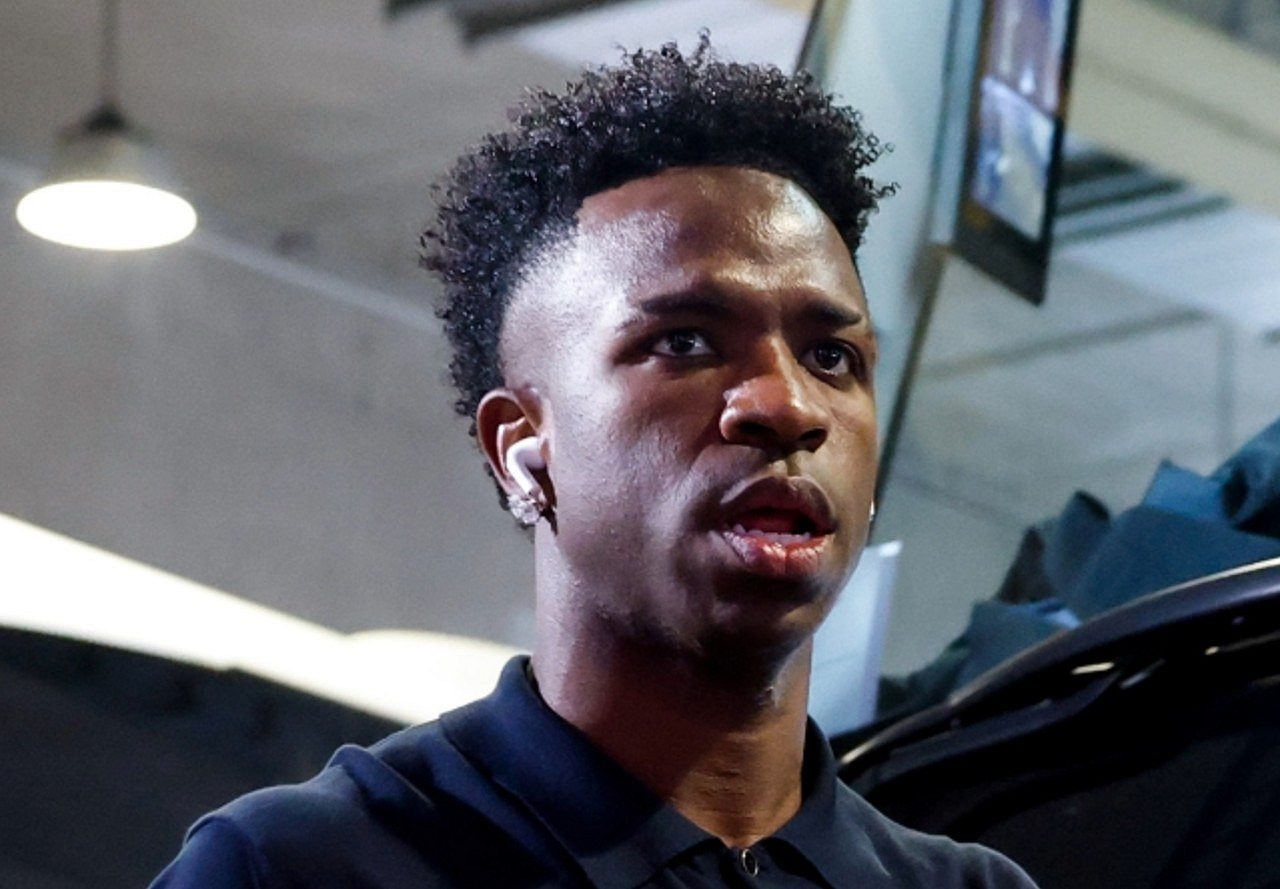
The Real Madrid squad arrives at Alemanha with the mission of reversing the disadvantage suffered in the first match of the European semi-final. The Spanish team faces Bayern of Munique at Allianz Arena this Wednesday, needing to erase the 2-1 defeat that occurred at the Santiago Bernabéu stadium. The duel defines one of the finalists of the main club competition on the continent.
Coach Álvaro Arbeloa focuses his offensive hopes on his wingers’ ability to unbalance, especially after a first game marked by strong opposing marking. The home team, under the command of Thomas Tuchel, plays for a draw in front of their fans to guarantee their place in the decision. The match requires tactical precision from the visitors, who seek to keep the tradition of great comebacks alive in the knockout stages. The clash attracts global attention due to the historical weight of the two shirts.
Tactical adjustments to overcome German defensive blocking
The Spanish coaching staff has dedicated the last few days to finding alternatives to free their main attacking players from the double pressure exerted by the Bavarian defenders. Durante the first meeting in the Spanish capital, aggressive marking on the left side of the field neutralized the main offensive attacks, forcing the team to look for ineffective crosses. The coach instructed the midfielders to shorten the distance to the offensive sector, creating faster passing lines and facilitating triangulations at the entrance to the area. Essa Approach aims to confuse opposing midfielders and open corridors for infiltrations at speed. The training focused extensively on medium-range finishing, a tool considered vital if the area remains congested. Constant mobility will be required of all front men to prevent them from becoming easy targets for the home team’s physical defenders. The expectation is that the visiting team will adopt a posture of controlling possession of the ball from the opening whistle. The main objective of this strategy is to push the opponent’s defensive line back and dictate the pace of the confrontation in the first twenty minutes.
The Madrid commander chose to keep the official line-up secret until the moments before the match. Ele only indicated that the main structure of the team will be maintained, relying on the chemistry built throughout the season. The presence of athletes with a high capacity for quick transition is the central pillar of this tactical planning.
The weight of individual protagonism in the search for classification
The performance of the offensive sector depends directly on the technical recovery capacity of its main individual talents after a discreet performance in the previous match. The Spanish team’s number seven worked on mental and physical aspects to deal with the expected hostility in the stands and the relentless marking within the four lines. The board and teammates demonstrated public support for the player, reinforcing his importance for the functioning of the tactical scheme. Analistas sportspeople point out that great performances on decisive nights like this are essential for consolidating candidates for individual end-of-season awards. The athlete seeks to return to the level of excellence that characterized him in the previous phases of the continental tournament.
The need to seek results forces the team to take calculated risks without unprotecting its own defensive system. The goalkeeper and defenders received clear instructions to simplify the release of the ball, avoiding short passes under pressure that could generate lethal counterattacks. The guideline is to look for direct throws to the wingers if the first German marking line rises in a coordinated way. The balance between the urgency to score goals and the patience to build plays is the biggest psychological challenge for visiting athletes. The technical committee believes that the group’s maturity will be sufficient to manage the tension inherent in an eliminatory game of this magnitude.
Favorable scenario for the home team and the strength of the local fans
The team from Munique enters the field supported by a significant mathematical advantage and the unconditional support of a completely packed stadium. Coach Thomas Tuchel structured a solid defensive system that proved its efficiency by limiting the opponent’s actions in the first duel. The reactive stance adopted at certain moments in the previous match must be repeated, allowing the home team to explore the spaces left by the visitors’ need to attack. The German players demonstrated a great capacity for compaction, closing the passing lines in the middle and forcing the game to the less dangerous flanks. The Bavarian club’s record of playing at home during the knockout stages brings an extra component of confidence to local fans. The team has fast and precise attackers, capable of transforming a simple steal of the ball into a clear scoring opportunity in just a few seconds. The midfield sector’s mission is to pace the match whenever it regains possession, frustrating the opponent’s pressure attempts and spending time in its favor. The atmosphere created by fans in the stands tends to have a strong influence on the refereeing and the mood of the players on the field.
Mathematical combinations to define the vacancy
The current regulations of the continental competition establish direct criteria for resolving the match in the event of equality in the aggregate score. The absence of the away goal rule significantly changes the dynamics of the strategies adopted by the two coaches. The panorama requires full attention to the numbers during the regulatory ninety minutes.
- The Spanish team guarantees direct classification if they win the match by two or more goals in normal time.
- A victory for the visitors by exactly one goal leads the decision to thirty-minute extra time.
- The persistence of the tie in the aggregate score after extra time sends the dispute to penalty kicks.
- The German team secures a place in the grand final with any simple victory or draw by any scorer.
Both clubs’ performance analysis department has mapped out penalty takers and opposition goalkeeping patterns over recent seasons. Essa Meticulous preparation reflects the awareness that the duel can be decided in the most extreme details of the regulations. The coaches also planned the substitutions considering the real possibility of the game lasting one hundred and twenty minutes. The physical wear and tear accumulated throughout the national and European calendar makes energy management a crucial factor for success. The depth of the bench can determine who will have the legs to get the result in the final moments.
Physical preparation and the history of European overcoming
The athletes’ muscular recovery was the absolute priority of the Spanish medical department in the days that separated the commitments of the national championship from this continental decision. Profissionais of physiology monitored the training load of each starter to ensure that everyone reached peak physical performance at the time of the starting whistle. The coaching staff knows that the intensity required by a match against a German team does not allow players to perform below their ideal conditions. The visiting club carries with it a particular mystique when it comes to reversing adverse results on the European stage, something that is often evoked in motivational speeches in the dressing room. The experience of veteran athletes who have already experienced similar situations serves as an emotional anchor for the youngest members of the squad. Returning to a final after two seasons of absence would represent the consolidation of the sporting project led by the current commander. The tactical, physical and mental clash promises to deliver a spectacle in keeping with the tradition of the two institutions involved. The definition of the finalist for the 2025/2026 season will depend on the ability to withstand pressure and execute the game plan coolly.