High kerosene price doubles costs and puts Spirit Airlines close to liquidation

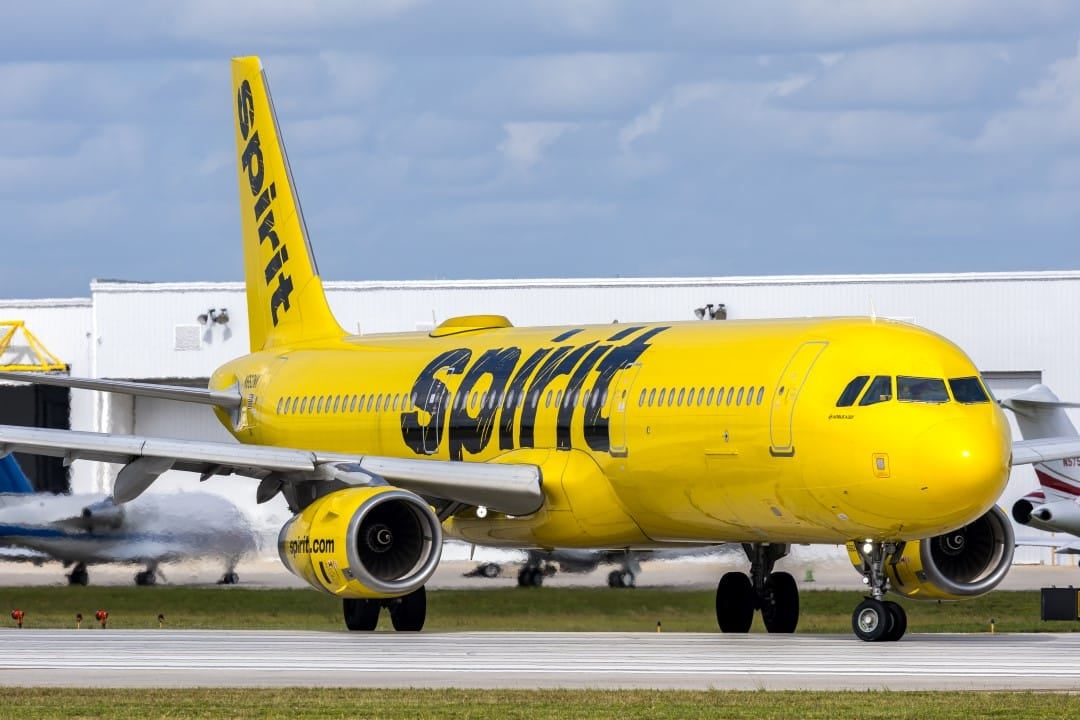
Spirit Airlines is experiencing a moment of uncertainty in the process of exiting bankruptcy. The sharp increase in the price of jet fuel complicated negotiations with creditors. The low-cost company has operated under the umbrella of Capítulo 11 since August 2025. Nearby Fontes indicates that talks now include the possibility of liquidation.
The original plan called for emergence from bankruptcy in early summer 2026. The company had reached an agreement with major creditors in February. In March, it submitted the formal reorganization plan to the court. The proposal included a significant debt reduction and adjustments to the fleet.
The price of kerosene has risen sharply in recent weeks. The conflict between Estados Unidos and Irã, which began in late February, has affected global supply. The Ormuz Strait, an important route for oil, faced restrictions. Isso has driven up fuel costs for the entire airline industry.
Additional Custos exceeds the company’s available cash
Analistas from JPMorgan calculated that the increase could generate an extra cost of 360 million dollars for Spirit throughout 2026. The value exceeds the cash recorded at the end of last year, around 337 million dollars.
The operating margin projected for the year worsens significantly. Spirit’s low-fare model leaves little room to pass on costs to passengers without losing demand. Credores question the viability of the plan under current conditions.
- Fuel represents one of the largest operating expenses for airlines.
- Spirit does not use hedging to protect against price changes.
- Algumas institutions have already filed formal objections to the plan in court.
- The company warned in court documents about the risk of prolonged volatility.
- The bankruptcy trustee requested a delay in approving the exit while it evaluates alternatives.
Spirit has filed its second bankruptcy filing in less than a year. The first process ended in early 2025. Mesmo After that restructuring, structural challenges persisted. The company returned to court in August 2025 with 214 aircraft in the fleet.

February Acordo predicted drastic debt cut
On February 24, 2026, Spirit announced agreement in principle with creditors. The plan would reduce debt and lease obligations from $7.4 billion to about $2.1 billion after exit.
Pilotos and commissioners accepted salary concessions totaling $100 million. The company sold 20 Airbus aircraft. Saiu from 14 airports. Reduziu summer 2026 flight schedule by nearly 40 percent. The focus would shift to more profitable routes at peak times.
On March 13, Spirit submitted the restructuring support agreement and reorganization plan to Distrito Sul’s Nova York court. The fleet would be adjusted to 76 to 80 aircraft by the third quarter of 2026. The majority would be made up of Airbus A320 and A321ceo models.
The company intended to maintain its ultra-low-cost DNA, but offering premium products and co-branded loyalty programs. The objective was to create a leaner and more sustainable operation. The emergency was scheduled for the beginning of summer.
Conflito on Oriente Médio changes cost scenario
The conflict with Irã caused a significant increase in the price of oil and oil products. Jet fuel more than doubled in a few weeks. Preços reached close to 4 dollars per gallon in American markets. Especialistas claim that normalization of supply chains could take months.
Spirit noted in April court documents that it expects a moderation in volatility starting in the second half of May. Até there, the financial impact remains significant. The company does not have robust hedging mechanisms like some larger competitors.
Outras companies also feel the effect. Delta, United, American and others register high additional costs. Algumas increased fares, baggage fees and cut less profitable routes. The Spirit, focusing on price-sensitive passengers, has less flexibility.
Objeções of creditors and trustee position
Credores of the revolving credit facility filed objections to the plan last week. Argumentaram that the proposal does not adequately account for higher fuel costs. “If the debtors cannot demonstrate feasibility at current prices, there is no basis for saying the plan is feasible,” the lawyers wrote.
The bankruptcy trustee also asked the court to delay approval of the exit. Questiona if the reorganization plan is superior to liquidation, which would allow resources to be distributed to creditors more immediately. Discussions remain ongoing and described as fluid.
The Spirit continues to operate normally during the process. The company maintains communication with passengers and updates flight information. Nenhum mass cancellation has been announced at press time.
Histórico of restructuring and recurring challenges
Spirit has already gone through a first Capítulo 11 which ended in early 2025. At that time, it sought debt relief and operational adjustments. Mesmo thus returned to court a few months later. Analistas point out that the ultra-low-cost model faces constant pressure in a variable cost environment.
The Dania Beach-based company, at Flórida, has built a strong presence on domestic routes with affordable fares. Important Bases include Fort Lauderdale, Orlando, Detroit and Nova York. The fleet and network reduction was intended to concentrate efforts on stronger sections.
Pilotos and crew contributed concessions to make the plan possible. The company also sought efficiency in leasing and maintenance contracts. Cutting the fleet to around a third of its pre-bankruptcy size represented a profound change in the size of the operation.
Impacto potential for the American aviation market
A possible liquidation of Spirit would have consequences for the sector. The company offers low-cost options on several routes. Sua’s departure could reduce competition and affect the availability of cheap seats. Outras companies could absorb part of the demand or acquire aircraft and slots.
Aeroportos like Fort Lauderdale are interested in relocating gates to other companies. The court would seek the best value in the sale of assets to maximize returns to creditors. Passageiros with future tickets would receive guidance on refunds or reallocation, according to the rules of the bankruptcy process.
The American airline industry is following the case. Larger Companhias have more tools to deal with fuel surges, such as premium class revenues and hedges. Spirit is more directly dependent on passenger volume at low fares.
Situação remains open to different outcomes
Negotiations with creditors continue. Fontes claim that plans may change in the coming days. Spirit seeks alternatives to increase liquidity, such as additional cost cuts and network adjustments. The court assesses whether the current plan still meets feasibility requirements.
Especialistas from the sector note that the case illustrates the vulnerability of business models sensitive to commodity variations. The price of fuel directly influences the profitability of flights. Sem rapid recovery in supplies, pressures may extend.
The company maintains a website with updates on the bankruptcy process. Passageiros are advised to check flight status before traveling. Daily operations continue while discussions progress.
The outcome will depend on the outcome of ongoing conversations and the evolution of fuel prices in the coming weeks. Distrito Sul’s Distrito Sul court is following developments closely.