Specialist who avoided a major tragedy with cesium-137 gains prominence in new streaming production

A powder with a mesmerizing blue glow circulated through the hands of families in Goiás at the end of the eighties, hiding an invisible and lethal threat. The radioactive material, removed from an abandoned medical clinic, quickly turned into the largest urban nuclear disaster in world history.
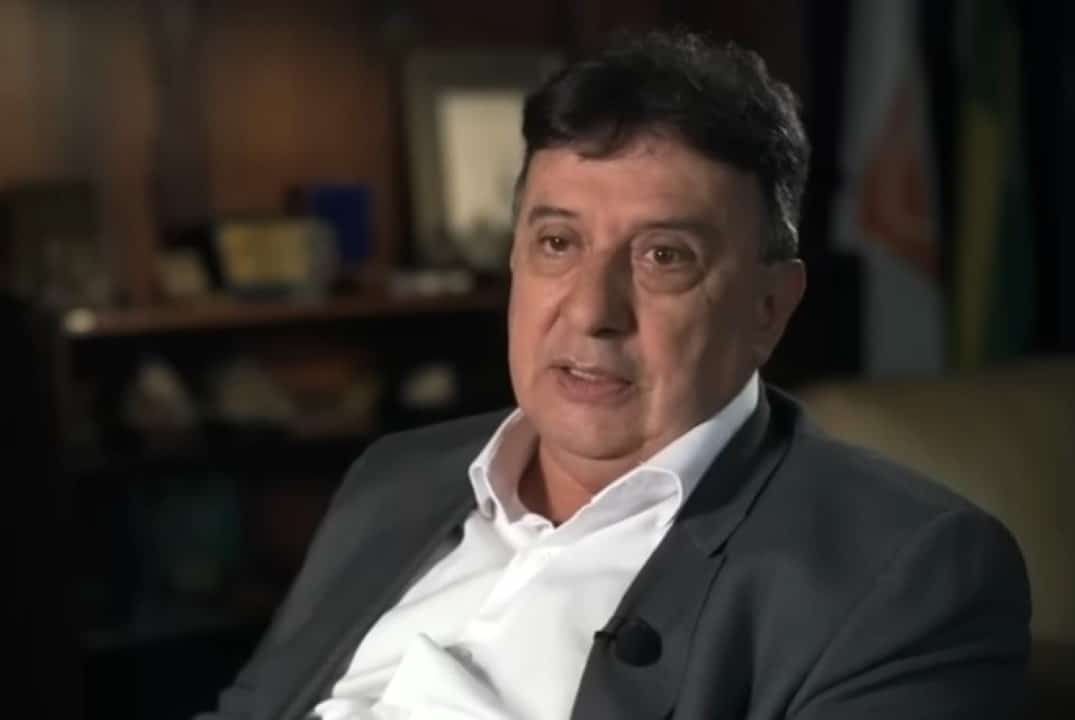
The exact identification of that unknown substance depended on the quick action of a young professional hastily summoned by the local Vigilância Sanitária. Physicist Walter Mendes Ferreira, then twenty-nine years old, used precise measuring equipment to confirm the extreme levels of radiation and order the immediate evacuation of the building. The decisive technical intervention prevented an even greater number of victims and now serves as inspiration for a recent audiovisual work that recovers the memory of the episode.
The discovery that changed the course of the radiological disaster
The alert sounded at the end of September of that year, when the wife of one of the scrapyard’s owners took the ruptured capsule to the public health agency. The part remained in place for a whole day until the specialist arrived to carry out the detailed technical analysis. When the ionizing radiation detectors were brought closer to the plastic bag surrounding the cylinder, the meters instantly reached their maximum limit. The realization of the imminent danger forced the isolation of the entire perimeter and the urgent activation of Comissão Nacional and Energia Nuclear.
From that critical moment onwards, an unprecedented task force needed to be structured to contain the spread of contamination across the capital of Goiás. The professional worked on the front line. Ele dealt directly with patients who already had acute symptoms of radiation exposure, such as severe nausea, constant dizziness, episodes of vomiting and diarrhea. The government mobilization included setting up an improvised screening center at Estádio Olímpico. Mais of one hundred and twelve thousand residents underwent rigorous assessments with on-site Geiger meters. The joint effort identified two hundred and forty-nine people with significant levels of radioactive material in their bodies. The most serious cases went to isolated medical facilities. Immediate communication with Agência Internacional from Energia Atômica ensured foreign technical support. Rapid coordination mitigated environmental impact. The trail of destruction, however, was already consolidated in the city’s central streets.
Trajetória academic and leadership in nuclear security
Natural from the state of Minas Gerais, the scientist built a solid academic foundation before and after the tragic event. Ele completed his degree in physics and pursued international specializations, obtaining a postgraduate degree in radiological protection and nuclear safety from Universidade from Buenos Aires. The technical deepening continued with the completion of a master’s degree in nuclear engineering at Instituto Militar of Engenharia, located at Rio of Janeiro.
The commitment to science guided the physicist’s professional choices over the following decades. Active participation in international congresses allowed the exchange of experiences with experts from countries that also faced nuclear emergencies. Essa’s technical background has consolidated its position as one of the greatest authorities on the subject within the national territory.
Atualmente at seventy-three years of age, the specialist maintains an active routine in the federal public administration. Ele serves as head of Divisão of Emergências Radiológicas of the very national commission he helped warn decades ago. The position requires the constant formulation of preventive strategies and the coordination of specialized training for new generations of technicians. The educational work reaches thousands of students annually through courses taught at Centro Regional of Ciências Nucleares of Centro-Oeste, reinforcing the culture of prevention.
The impact of tons of waste and monitoring victims
The inadvertent manipulation of radiotherapy equipment left deep scars on the demography and urban infrastructure of the affected region. The initial tragic result accounted for four direct deaths caused by Síndrome Aguda of Radiação in the month following the leak. Entre The fatal victims were a child of just six years old, the woman who transported the capsule in a plastic bag, a twenty-year-old young man and another eighteen-year-old boy who worked at the scrapyard. The loss of these lives highlighted the silent lethality of the material.
The process of urban cleaning and decontamination of homes generated a colossal volume of hazardous material that required complex engineering solutions. Response teams took drastic measures to ensure environmental safety:
- Demolição complete of houses and commercial establishments that had irreversible radioactive impregnation.
- Remoção from deep layers of soil in terrains where bright dust has been fractionated and distributed.
- Acondicionamento of approximately six thousand tons of waste in armored containers and steel drums.
- Construção from a definitive repository in the city neighboring Abadia from Goiás to store the isolated material.
Quase four decades after the disaster, clinical follow-up of survivors remains an essential public policy. Centro from Assistência to Radioacidentados manages continuous health monitoring of directly exposed people and their direct descendants. Prolonged medical observation seeks to identify early any cellular changes or development of pathologies associated with ionizing radiation.
Evolução of emergency protocols and regulatory legacy
The oversight failures that allowed hospital machinery to be abandoned forced a complete review of Brazilian legislation on radiation-emitting equipment. The country needed to establish a much more rigorous legal framework for the tracking, licensing and disposal of radioactive sources used in medicine and industry. Health institutions began to follow strict asset control standards to prevent dangerous materials from ending up in scrap yards. The structuring of more robust inspection teams became an immediate government priority.
The experience gained during the management of the crisis in Goiás became a global reference for the treatment of similar accidents. International Organismos have incorporated lessons learned from Brasil to update their own radiological emergency response manuals. The improvement included new guidelines for transparent communication with the press and the population, avoiding the widespread panic that marked the first days of the incident. Specialized hospital care also gained standardized human decontamination protocols.
The exchange of information between different regulatory agencies has created a more efficient global protection network. Especialistas of various nationalities visited the storage facilities at Goiás to understand the magnitude of the cleanup operation. The empirical knowledge generated by the Brazilian tragedy saved lives by guiding preventive protocols in hospitals and industries around the world.
Representação in pop culture and memory preservation
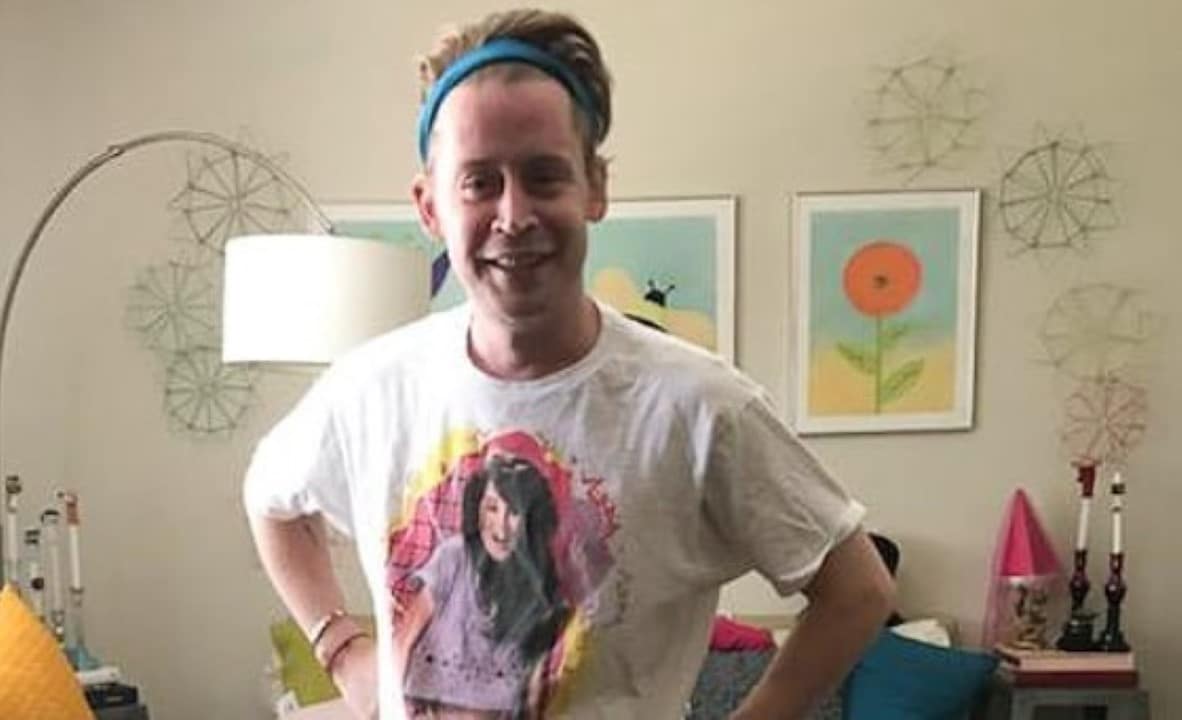
The historical relevance of the physicist’s work gained a new dimension with the launch of the miniseries Emergência Radioativa in the Netflix catalogue. The dramaturgical production rescues the tension of the days following the opening of the capsule and illustrates the challenge faced by the scientists. The Johnny Massaro actor took on the responsibility of playing a character heavily inspired by the specialist’s real actions during the acute phase of the crisis.
The adaptation to the digital entertainment format fulfilled the fundamental role of presenting the disaster to a younger audience. The renewed interest in internet searches on the topic demonstrates the effectiveness of audiovisual in keeping alive the memory of tragedies that cannot be repeated. The scientist portrayed in the work himself recognizes the importance of using modern platforms to disseminate knowledge about nuclear safety. The visibility generated by the series reinforces the ongoing commitment of professionals who dedicate their careers to radiological protection in the national territory.