
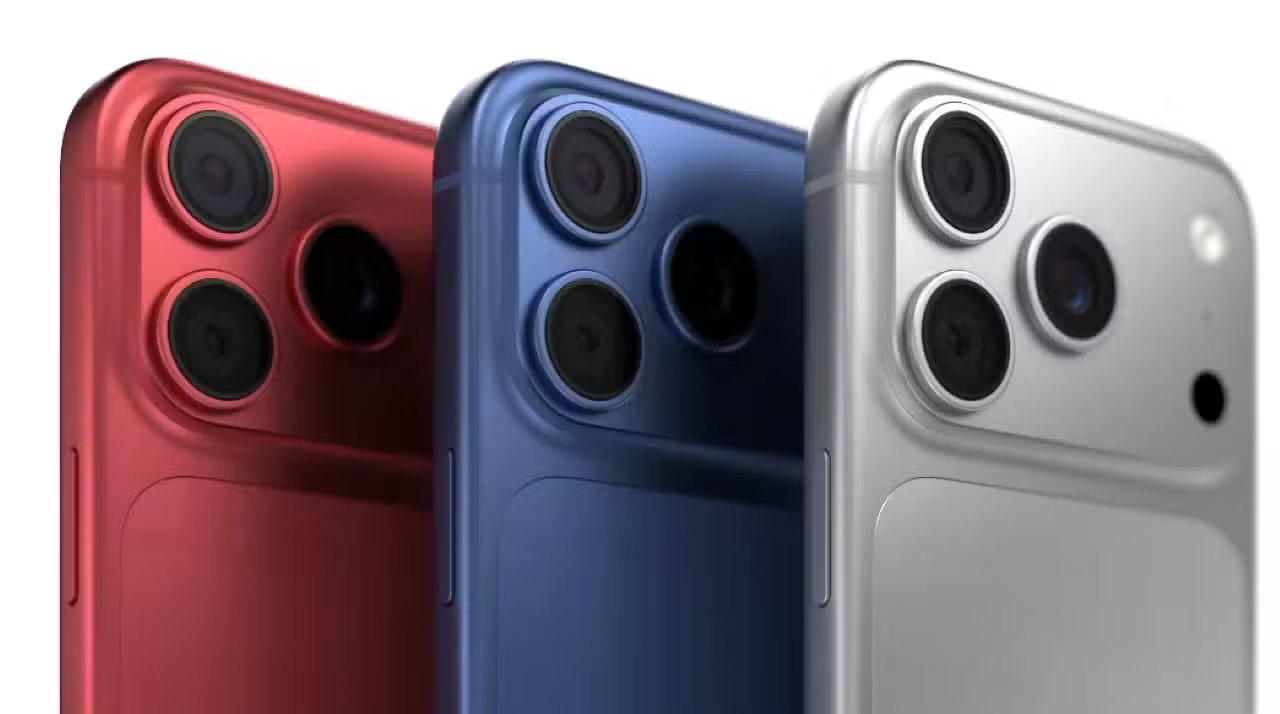
Apple has scheduled the global presentation of its new line of high-performance smartphones for September 2026. The project brings a radical aesthetic change to the brand’s portfolio. The company will adopt a first-of-its-kind semi-transparent back panel. The device will also have an energy capacity of more than 5000 mAh. The transition requires a complete reorganization of internal components to accommodate new embedded technologies.
Essa structural change forces Asian factories to readapt the entire assembly chain. Suppliers are already testing the machinery to build the first functional prototypes. The manufacturer’s objective is to expose the device’s motherboard and cooling system. Adaptation directly affects welding processes, research costs and the final price of the product in retail stores.
Reestruturação internal and new protective materials
Implementing a translucent back creates complex logistical challenges for the production line. Engineers had to modify the routing of flexible cables and power connectors. Internal aesthetics now demand absolute symmetry and refined finishing. The panel uses a high-strength glass alloy combined with machined titanium edges. Esse set protects the equipment against drops and severe mechanical impacts.
The development team applied a specific chemical treatment to the rear window. The measure prevents yellowing caused by continuous exposure to ultraviolet rays. Thermal insulation also required increased engineering attention. Transparency exposes sensitive parts to direct sunlight. Technicians added invisible heat-absorbing films just below the main glass layer to stabilize the temperature.
The fixation of microchips on the main board has completely changed. The manufacturer replaced traditional industrial adhesives with microscopic mechanical locks. The new method facilitates the work of authorized technical assistance agencies around the world. Maintenance time drops drastically and the arrangement of parts gains a clean visual standard.
Autonomia power and advanced thermal architecture
Power delivery reaches a new level with the expanded battery cell. The component easily surpasses the 5000 mAh mark. In some specific configurations, the capacity reaches 5200 mAh. The increase in internal volume occurred thanks to the miniaturization of the motherboard. The permanent removal of the physical chip tray in all countries has freed up crucial physical space within the chassis.
The phone will work exclusively with eSIM technology from this generation onwards. The operating system distributes the power load among the processor cores according to demand. Intelligent management prevents waste when running heavy applications and three-dimensional games.
Heat dissipation has received major upgrades to handle the new hardware. The internal structure now houses high-density graphene plates. Câmaras of pure copper vapor assist in the cooling process. The materials quickly conduct temperature to the titanium edges. Continuous passive cooling prevents a forced drop in processor performance during long sessions of intense use. Thermal efficiency preserves the integrity of exposed circuitry and extends battery life.
Larger Telas and front panel optimization
The dimensions of the displays have grown significantly in the new line. The standard version of the Pro variant will offer a 6.3-inch display. The Max model will hit the market with a 6.9-inch panel. The substantial reduction of black borders has expanded the usable viewing area. The calibration of OLED technology guarantees the emission of intense brightness under direct sunlight.
The front sensor module has shrunk by around 35% compared to the previous generation. Shrinking the top cutout frees up valuable space for system icons and notifications. Software developers already receive technical instructions to adapt application interfaces.
The redesign of the display delivers specifications focused on daily visual comfort and navigation fluidity:
- Adaptive update Taxa capable of going down to 1 Hz to save battery in still images.
- Camada anti-glare optimized against interference from artificial lights in indoor environments.
- Sensores brightness installed directly under the active pixels of the OLED display.
- Vidro front with unprecedented crystalline formulation to increase resistance against deep scratches.
Essas geometric modifications transform the seamless usage experience. Color reproduction remains accurate even at the most extreme viewing angles.
Two-nanometer Processador and satellite communication
A chip manufactured using the two-nanometer process powers the smartphone’s processing core. Advanced lithography accommodates billions of extra transistors in the same physical space. Calculation capacity skyrockets while energy consumption drops. The component operates in conjunction with 12 GB of RAM. Essa technical specification allows you to run complex artificial intelligence models directly on the device.
Local data processing eliminates the need to continuously send information to external cloud servers. User privacy increases significantly. The dedicated neural processing unit accelerates instant high-resolution video editing. Simultaneous translation of audio conversations occurs without noticeable delays. The hardware will support operating system updates for an extended period of time.
The connectivity infrastructure advances with the expansion of satellite communication modules. The redesigned internal antenna transmits voice packets and small media files. Technology is no longer limited to sending text messages in emergency situations. Redes low-orbit satellites establish stable connections in remote areas without cellular signal. Partner telecommunications operators prepare specific data plans to integrate the functionality.
Impactos in production and commercial positioning
Factories located on the Asian continent adapt their assembly lines to receive the new device. Parts suppliers calibrate industrial machinery daily. Welding the high-capacity battery and installing the semi-transparent panel requires millimeter precision. The schedule foresees the start of mass production in the second quarter of the year.
Distribution logistics will use the charter of exclusive air routes. The company’s goal is to supply key global markets simultaneously for the launch. The use of new materials increases the project’s research and development costs. The financial market projects an adjustment in the final value of the product on the shelves. The commercial strategy consolidates the cell phone in the technological luxury segment focused on hardware innovation.