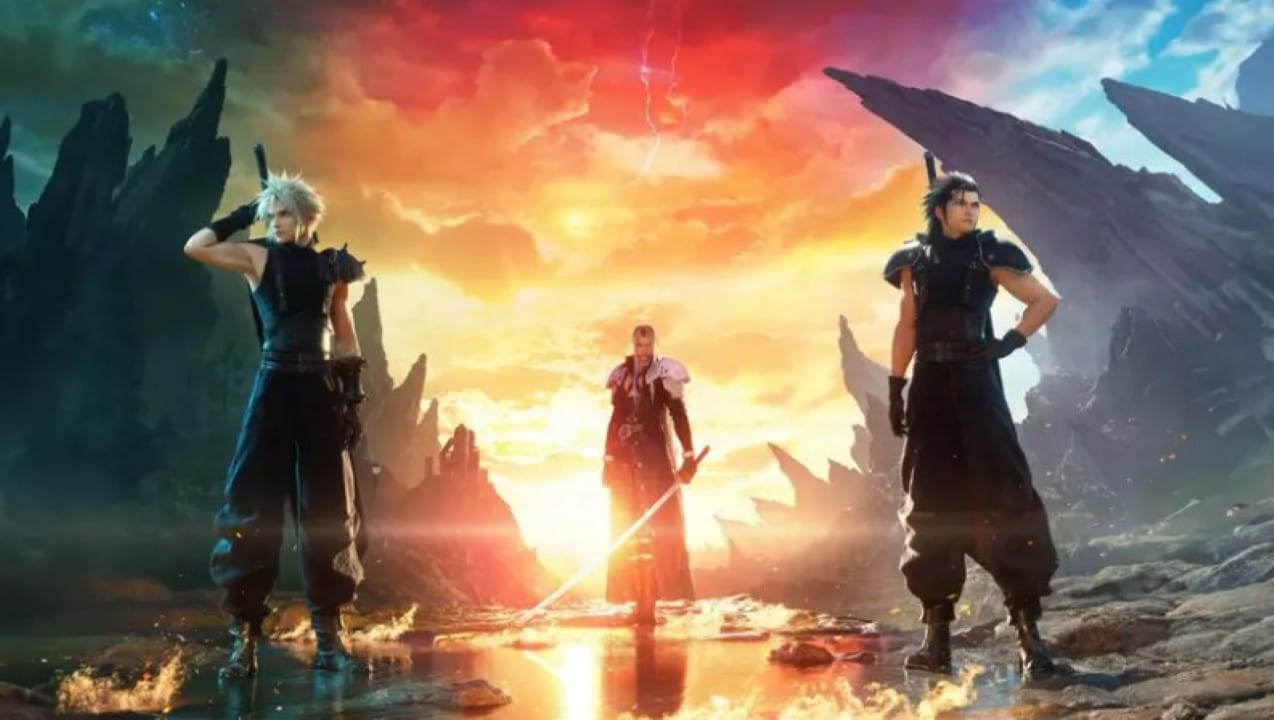
The year 1997 marked a revolution in the electronic games industry with the arrival of an RPG that redefined digital storytelling. Quase three decades later, the retelling of this story is heading towards its climax under a new commercial guideline.
Square Enix has confirmed a drastic change in the distribution of the third and final part of the Final Fantasy VII recreation project. The Japanese developer abandoned the temporary exclusivity model maintained in the previous two chapters. The conclusion of the trilogy will have a simultaneous release for PlayStation consoles, Xbox and computers. The decision reflects an internal restructuring of the company to maximize the reach of its large productions. The title ends a development cycle that mobilizes hundreds of professionals around the world.

Reestruturação financial pushes end of exclusivity
The producer’s recent tax reports highlighted the need for adjustments to the market strategy. Keeping high-budget games restricted to a single ecosystem limited the revenue ceiling during launch windows. The cost of producing AAA-rated titles has reached historic levels in the current generation of consoles. Gigantic Equipes and long development cycles require an immediate financial return to justify investments.
The transition to the multiplatform format aims to dilute the risks associated with the creation of massive works. Exclusivity with Sony guaranteed important initial contributions to enable the project to begin. The current market scenario requires the presence of Microsoft computers and systems to achieve the sales targets established by shareholders. The new corporate policy determines that the company’s main franchises reach as many players as possible on opening day.
The cancellation of smaller projects and the reevaluation of partner studios accompanied this change of route. Square Enix recorded significant accounting losses by discontinuing games that did not meet the required quality standards. The focus now falls on consolidated intellectual properties with proven global appeal. The restructuring seeks to create a sustainable business environment for the next decade.
Transição graphics engine speeds up creation process
The development team adopted Unreal Engine 5 as the technological basis for the final chapter of the saga. The tool replaces the previous version of the graphics engine used to build past games. The update allows the import of existing three-dimensional codes and models more easily. Programmers are able to optimize work time by avoiding recreating basic movement and combat systems.
Standardization of software tools simplifies game adaptation for different hardware architectures. Simultaneous conversion to competing consoles and computers requires a flexible programming foundation. The use of a technology largely dominated by the industry reduces dependence on complex proprietary solutions.
- Graphics migration eliminates technical bottlenecks in rendering large scenarios.
- File sharing between the art and programming departments occurs natively.
- Dynamic lighting and character physics receive automatic improvements with the new version of the software.
- Compile time for internal tests decreases drastically on workstations.
Project directors reported that the conceptual planning phase progressed quickly. The narrative structure was already defined from the beginning of the trilogy. The current challenge is to fill the virtual world with activities and visual details that justify the processing capacity of modern machines. The technical team performs daily stability tests to ensure a smooth frame rate on all confirmed platforms.
Logística global prepares ground for simultaneous debut
Coordinating a global launch across multiple systems requires an unprecedented infrastructure operation for the company. Authentication and digital distribution servers undergo updates to support the massive traffic expected on the day the download is released. Engenheiros network simulate overload scenarios to avoid connection drops during the first hours of access. The contracted broadband capacity surpasses the records of any other product already delivered by the company.
The physical market also demands special attention in the supply chain. The manufacturing of discs for different consoles takes place in factories distributed across different continents. The printing of inserts, the assembly of collector’s editions and maritime transport require months in advance of the approval of the matrices. The synchronization between delivery to retail stores and release to online stores prevents early leakage of crucial story information.
The text localization and dubbing process takes place in parallel with the polishing of the source code. Estúdios recording at Europa, Américas and Ásia receive the scripts under strict confidentiality agreements. Simultaneous translation into multiple languages ensures the global fan base experiences the narrative’s conclusion at the same moment. Quality assurance tests check lip synchronization and cultural adequacy of speeches in each region.
Celebração historic aligns calendar with franchise milestone
The internal production schedule points to 2027 as the definitive window for the title to hit shelves. The date carries an incomparable symbolic weight for creators and the gaming community. The original release of Final Fantasy VII for the first PlayStation occurred exactly thirty years before this stipulated deadline. Temporal coincidence serves as the main pillar of developing marketing campaigns.
Eventos in person in major world capitals make up the scope of the planned celebrations. Exposições of conceptual art, symphonic concerts with the soundtrack and temporary stores are part of the package of promotional actions. The game’s musical direction works on new arrangements for classic compositions that marked the childhood of millions of people. The recording of orchestrated tracks involves internationally renowned musicians in high-fidelity acoustic studios.
The pressure to deliver a closure that meets expectations defines the routine in the developer’s offices. The original 1997 project established standards for cinematic storytelling that have influenced generations of content creators. The modern reinterpretation seeks to respect the legacy of the base material while introducing updated gameplay mechanics. The union between the nostalgia of a classic and today’s cutting-edge technology guides the management team’s final decisions.