

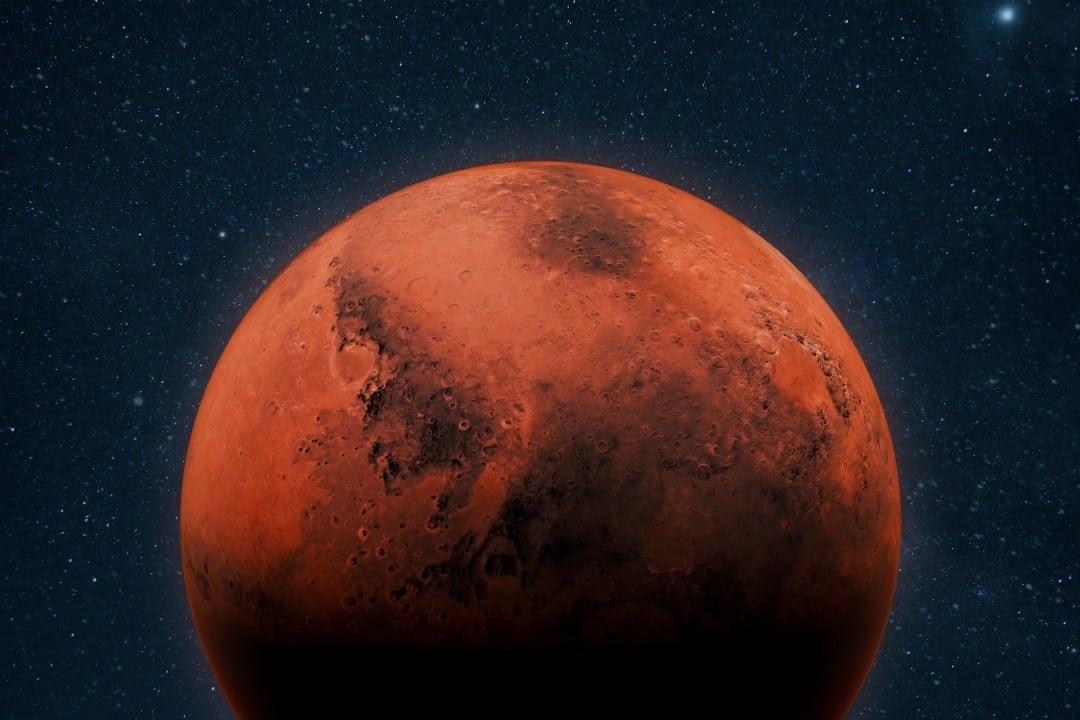
The American space agency has confirmed the sending of the first interplanetary spacecraft equipped with nuclear propulsion by the end of the decade. The mission called SR-1 Freedom is scheduled to depart in December 2028, heading for the red planet. The institution’s administrator, Jared Isaacman, presented the project guidelines during a recent industry event. The equipment will provide an unprecedented demonstration of a nuclear-electric system operating in deep space.
The accelerated schedule reflects international pressure on the aerospace sector. Especialistas point out that the rapid advancement of similar programs on China and Rússia forced the dates to be brought forward. The new technology delivers energy efficiency that is much higher than traditional chemical engines. The practical development of the structures gains traction from June 2026.
Fission Reator ensures constant power away from sunlight
The operational core of the SR-1 Freedom consists of a fission reactor capable of generating more than 20 kilowatts of electrical power. The system uses low-grade, high-dose enriched uranium, a material classified by the acronym HALEU. Esse reactor provides the charge needed to power the ship’s electrical thrusters. Esses engines eject ionized gas in a vacuum. The process creates a continuous and stable thrust throughout the journey.
The mechanics differ radically from conventional rockets. Chemical propulsion burns mixtures of hydrogen and liquid oxygen in short, violent explosions. The nuclear-electric model works for months on end with a minimum fraction of propellant. Mass savings allow you to transport heavier equipment. Efficiency per kilogram reaches levels impossible for combustion engines.
The innovation also overcomes the chronic problem of light capture. Solar radiation loses strength drastically in orbits beyond Marte. Early Sondass like the Voyager and Cassini used radioisotope thermoelectric generators to keep the instruments powered. The SR-1 Freedom reactor represents a significant technological leap. The structure delivers enough power to move the entire ship, not just the onboard computers.
Agência repurposes components to meet tight deadlines
The engineering calendar demands unusual speed by government standards. The intense assembly phase and stress tests take place between January and October 2028. The team needs to ensure the spacecraft is ready for the December orbital transfer window. Esse specific period offers the shortest route between Terra and Marte.
The strategy to avoid delays involves recycling previous projects. The engineering team adapted parts of the propulsion system originally designed for the Gateway lunar station. The scope of the orbital base has undergone recent changes. The Departamento of Energia of the Estados Unidos acts as a direct partner in adapting the machinery. Joining forces reduces the total costs of the project.
Pesquisadores from the nuclear area assess the scenario with cautious optimism. Simon Middleborough, researcher of Instituto of Futuros Nucleares of Universidade of Bangor, highlighted the unbeatable energy density of the radioactive material. Lindsay Holmes, vice president of advanced projects at Analytical Mechanics Associates, confirmed that the technique makes long trips with full holds viable. Muitos industry professionals, however, consider the 2028 target to be extremely aggressive. Faltam public technical data on equipment shielding.
Standalone Helicópteros form the main scientific payload
The interplanetary journey is estimated to last twelve months. The spacecraft carries a package of scientific instruments called Skyfall. The module houses three autonomous helicopters with dimensions similar to the Ingenuity drone. The air fleet begins its mission as soon as the main ship reaches Martian orbit.
- The nuclear reactor remains switched off on the platform and begins operation just 48 hours after launch.
- Electric propulsion maintains constant thrust for approximately one year in outer space.
- The astronomical window of December 2028 guarantees the ideal trajectory for intercepting the planet.
- The main hardware integrates the power element initially developed for the Lua orbit.
- The Skyfall payload frees up aerial vehicles for atmospheric exploration and surface mapping.
The drones carry high-resolution cameras and ground-penetrating radar. The equipment will fly over craters and plains in search of underground water reservoirs. The data collected by the sensors will help map safe zones for landing future manned missions. Radios built into aircraft will create a local communications network.
Segurança operational and impact on future exploration
The safety protocol minimizes the risks of radioactive accidents in the Earth’s atmosphere. The reactor rises to space completely inactive. Fission begins only when the vehicle reaches a safe distance from our planet. The nuclear-electric configuration also reduces astronauts’ exposure time to cosmic radiation on future trips. The SR-1 Freedom will fly unmanned but will validate life support systems.
The American government plans to transfer the knowledge acquired to the private sector. The space agency and Departamento of Energia will share industrial drawings of the reactor upon completion of the mission. The measure aims to create a supply chain capable of building larger engines. Heavy machinery will be essential for the installation of bases at Lua’s south pole by 2030. The technology also paves the way for the exploration of Júpiter’s moons.
Desenhos conceptual images show the ship with an elongated arrow shape. The reactor is isolated at the front end, while the thrusters occupy the rear base. Physical separation helps with thermal management in a vacuum and protects sensors from internal radiation. The success of the venture establishes new regulatory precedents for the release of fissile material. The engineering team is now focusing on selecting the commercial suppliers who will manufacture the thermal protection shields.




