


The permanent transfer of populations to the red planet imposes drastic and unprecedented environmental conditions on the human body. The Martian environment has a gravity equivalent to just 38% of Earth’s force, completely altering the perception of weight. The surface suffers constant bombardment from cosmic radiation and solar storms due to the lack of a protective global magnetic field. Fatores extremes like these create a challenging scenario for conventional biology. Survival outside of Terra requires profound physiological adaptations over time.
Evolutionary biologist Scott Solomon analyzes this complex scenario in the work Becoming Martian. Rice University professor applies classic evolutionary biology concepts to predict the future of isolated colonies in deep space. The researcher’s central premise suggests that the descendants of the first colonizers would go through a process known as allopatric speciation. Over the centuries and the succession of generations, the accumulated biological differences would make these individuals totally different from the current Homo sapiens.
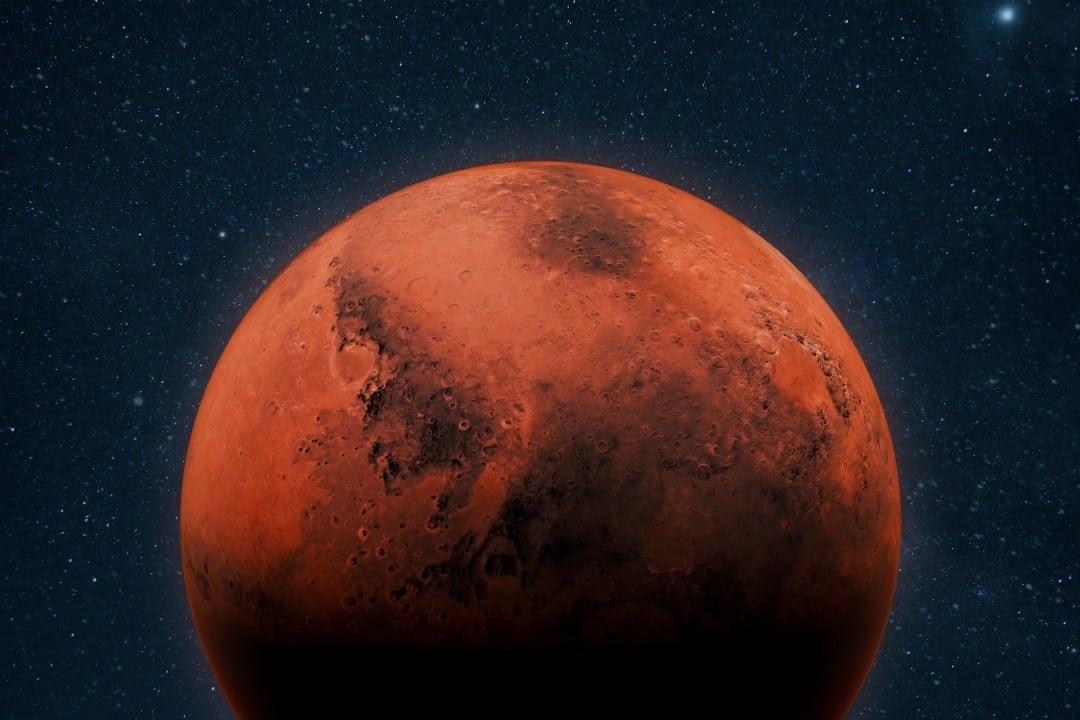
Impacto of reduced gravity in physical development
Missões long-term spacecraft already demonstrate the aggressive effects of microgravity on astronauts’ bodies. Profissionais in orbit rapidly lose bone mass and suffer severe muscle atrophy during mission time. The cardiovascular system also undergoes structural adjustments to be able to pump blood in an environment without the resistance of normal gravity. On Martian soil, the partial and constant gravitational force would shape the human body continuously throughout the individual’s entire life.
The birth of the first children on the red planet represents an evolutionary milestone unprecedented in history. The human skeleton would develop from the womb under a much lower physical load than that experienced in Terra. Especialistas project that bones would take on a different density, perfectly adapted to the reduced need for daily weight support. The muscles would accompany this structural transformation with a reduction in volume. Nutrient processing and the immune system would also undergo drastic adjustments in the early stages of a child’s life.
Human reproduction outside the Earth’s biosphere faces highly complex medical obstacles. Testes laboratory tests with mammals in simulated gravity reveal severe difficulties during early embryonic development. The formation of vital organs and the fetus’ circulatory system requires specific conditions of pressure and gravity to occur without failure. A full pregnancy on Martian soil would require intensive medical monitoring and advanced technological interventions to ensure the viability and safety of the birth.
Cosmic Radiação and the absence of a terrestrial microbiome
Marte’s extremely thin atmosphere offers little to no protection from the harsh weather of outer space. Uninterrupted exposure to solar radiation and cosmic rays significantly increases the rate of mutations in human DNA. In a closed and restricted population group, these random genetic changes accelerate the pace of evolutionary change in an unpredictable way. Natural selection acts directly on these mutations, eliminating flaws and preserving advantageous characteristics.
The planet’s completely sterile environment affects the body’s ancient relationship with terrestrial microorganisms. The absence of a rich natural biosphere prevents the maintenance of the original human microbiome in its entirety. Bactérias and specific fungi that inhabit the body control food digestion and strengthen immunity barriers. Limiting this microbial diversity in closed artificial habitats alters the metabolic functioning and even the body odor of colonists.
- Gene mutation Taxa rises sharply with continued exposure to space radiation
- Natural Seleção favors individuals with greater energy efficiency in scarcity environments
- Restricted Microbioma alters digestive processes and weakens original immune defenses
- Traços physicists adapted to the new low-gravity environment become dominant in the colony
Relentless environmental pressure defines exactly which biological characteristics guarantee survival on the neighboring planet. Indivíduos with natural resistance to radiation or with a metabolism adapted to resource scarcity have a considerable advantage. Esses fitter colonists are much more likely to reach reproductive age and produce healthy offspring. The favorable genes spread quickly through the local population with each new generation born within the extraterrestrial settlement.
Geographic Isolamento creates barrier to gene flow
The immense physical distance between the two planets works in practice like an impassable cosmic ocean. Reproductive isolation occurs naturally when populations of the same species stop exchanging genetic material frequently. The phenomenon exactly mirrors the evolution of animals and plants on remote and isolated islands on the planet Terra. Sem regularly crosses with inhabitants of the planet of origin, the pioneering group follows a unique and independent biological trajectory.
The genetic viability of a self-sustaining colony requires a minimum number of founders to thrive. Pesquisadores from the area estimate that a settlement needs 10,000 to 11,000 people to avoid the dangers of inbreeding. Essa population quantity guarantees the diversity necessary to overcome genetic drift and other evolutionary bottlenecks. Much smaller Populações are at imminent risk of amplifying hereditary diseases and fatal birth defects.
The definitive distancing over the centuries consolidates the biological separation of the two human species. If commercial interplanetary travel ceases for any reason, gene flow between Terra and the colony disappears completely. Morphological, physiological and even cognitive divergences deepen irreversibly over the millennia. The natural biological crossing between a terrestrial human and a native inhabitant of Marte would become completely unfeasible.
Dados from Earth orbit guide scientific projections
Estação Espacial Internacional currently serves as the main hands-on laboratory for these complex biological analyses. Médicos aerospace experts routinely document dangerous changes in the cerebrospinal fluid and visual acuity of crew members in orbit. The vast majority of these physical symptoms gradually resolve after safe return to the Earth’s surface. A lifelong stay in deep space, however, makes these anatomical modifications permanent and cumulative for residents.
Prolonged confinement on space bases has profound and lasting psychological impacts on astronauts on missions. The restricted life in closed habitats and the absolute lack of contact with terrestrial nature alter the group’s social behavior. The dynamics of daily coexistence directly influence the formation of couples and the reproduction patterns of the isolated community. Chronic stress from the hostile environment acts as an additional and silent selective pressure factor.
Genetic engineering appears in scientific debates as a powerful tool to accelerate human adaptation to space. Direct DNA editing makes it possible to insert protective biological characteristics into colonists even before space travel begins. Cutting-edge technology offers a viable alternative to the extremely slow natural evolutionary process of species. The application of these invasive methods to human embryos raises intense ethical debates about the limits of medical intervention in the exploration of the solar system.




