Japanese automaker updates Noah and Voxy minivans with a focus on hybrid engines and new look

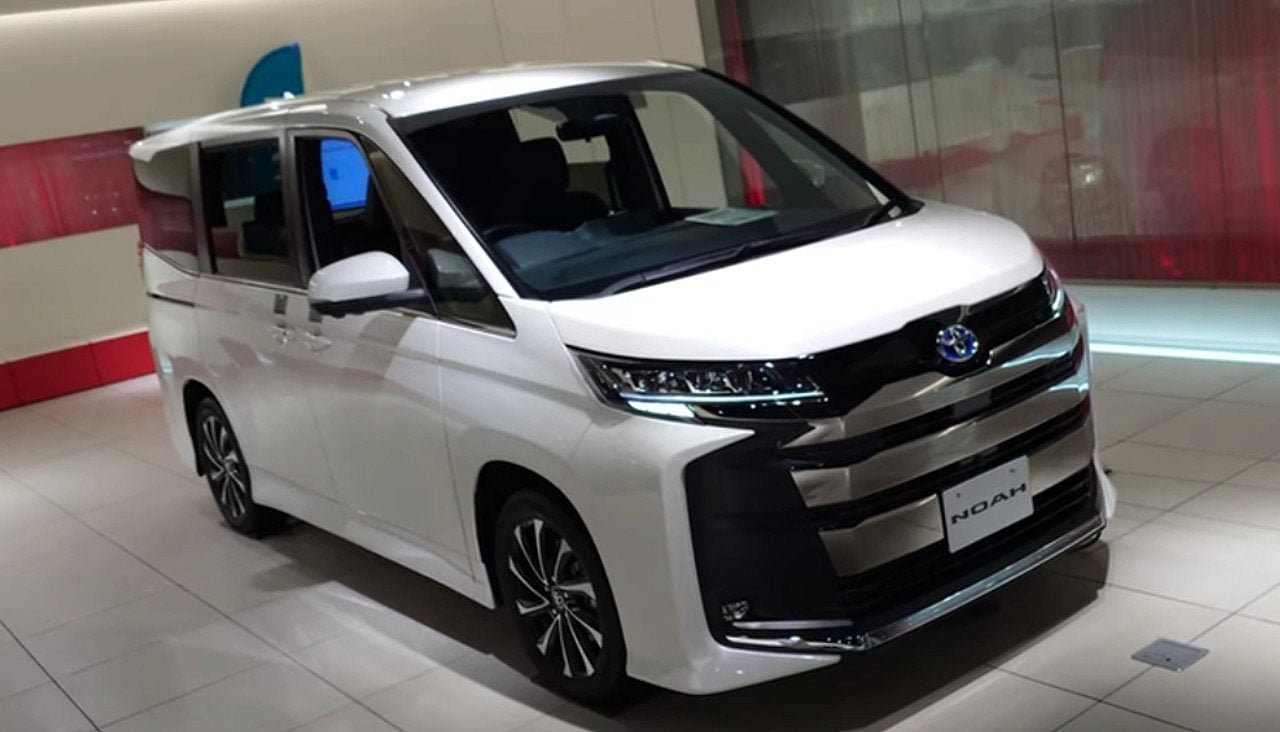
Japanese automaker Toyota has announced a major update for the Noah and Voxy minivans. The vehicles hit the market with new hybrid engines and completely redesigned fronts. The official launch at dealerships of the Japão takes place on May 6th. The strategy seeks to strengthen the brand’s position in the competitive family car segment. The main engineering focus was energy efficiency.
The global automotive market demands increasingly cleaner and more economical solutions. The manufacturer decided to eliminate purely combustion engine options from some lines, prioritizing electrification. Essa change reflects the tightening of pollutant emissions laws and consumer preference for fuel economy. The new minivans represent an important step towards the company’s carbon neutrality goal for the coming years.
Mudanças visuals and aerodynamic improvements in the Noah line
The Noah model received a profound aesthetic redesign of its body. The front grille now integrates perfectly with the vehicle’s main color. Essa change eliminates the previous visual division and creates a more fluid appearance. Engineers applied the new design concept in three different versions offered to the public. The variants are named SZ, SG and SX in the automaker’s official catalog.
The SX version features a design focused strictly on aerodynamics. The shape of the bumper reduces wind drag at high speeds. Fuel consumption drops considerably on road trips. Já the SZ version delivers a sportier and more dynamic visual appeal. The designers revised the instrument panels and interior seat structure. The central objective was to improve the tactile and visual quality perceived by the occupants at the first contact.
Novas exterior paint options have been added to the vehicle’s portfolio. Cores with a pearlized and metallic finish seeks to attract a more demanding customer profile. The use of internal space continues to be the main attraction of the category. The second-row seats slide on long rails installed in the floor. The modular configuration allows you to adapt the cabin to transport bulky loads or focus on extreme passenger comfort.
Atualizações technological and safety instruments on the instrument panel
The cabin of minivans has undergone quite significant technological modernization. Security and convenience drove all changes to the dashboard. Larger Telas makes information easier to read during daily driving. The infotainment system responds faster to the driver’s touch commands. The internal processor has been replaced with a state-of-the-art component.
- The main screen of the SZ version jumped from 8 to 12.3 inches of high definition.
- The driver information display on SG and SX models has grown from 4.2 to 7 inches.
- Câmeras track recording devices have been integrated directly into the vehicle’s native system.
- Internal software now manages the electric motor’s power flow in real time.
The inclusion of native cameras meets a growing demand from Asian consumers. The factory equipment eliminates the need to install third-party accessories in sound stores. The wiring is completely hidden in the panel structure, avoiding noise and electrical problems. The recorded images can be quickly accessed via the automaker’s cell phone application. The resource helps to elucidate traffic accidents and increases property security.
Radares millimeter wave and high-resolution cameras monitor traffic around the car. The active safety system detects pedestrians and cyclists even in low light conditions. Autonomous emergency braking acts with greater precision at urban intersections. Lane Keeping Assist gently corrects the steering wheel trajectory. The technology reduces driver fatigue on long and monotonous journeys.
Transição from Voxy minivan to hybrid-only format
The Voxy line adopted a more radical stance in its new commercial phase. The manufacturer has completely eliminated options with an exclusively gasoline engine. Agora, the model is only sold with the brand’s advanced hybrid system. The decision follows the change in behavior among the minivan-buying public. The silence on board and the savings at the fuel pump justify the higher initial investment.
The aggressive look, trademark of the Voxy, was maintained and improved in this generation. The front grille features more robust features and a darkened finish. The LED lighting received a new internal arrangement with double projectors. The lithium-ion battery packs are positioned under the center floor. Essa architecture lowers the heavy minivan’s center of gravity. Body roll during curves decreases drastically, ensuring stability.
Performance in adverse weather conditions has gained special attention from developers. The version equipped with E-Four all-wheel drive received a driving mode focused on snow and ice. The electronic system adjusts torque delivery to all four wheels independently. Grip is significantly improved on slippery surfaces and unpaved roads. The driver notices greater directional control during sudden accelerations.
Estratégia market and environmental impact of the automaker
The automaker’s move illustrates the accelerated transformation of the automotive sector in 2026. Minivans represent a vital portion of sales in the Japanese domestic market. Numerous Famílias require generous internal space without giving up daily efficiency. Hybrid technology solves this dilemma in an extremely practical way. The full transition of the Voxy model serves as a public acceptance test for the segment.
Reducing the carbon footprint dictates the pace of today’s assembly lines. The elimination of purely combustion engines reduces the overall average emissions of the company’s fleet. Local governments offer stringent tax incentives to buyers of electrified cars. The end consumer calculates the total cost of ownership before signing the financing contract. The fluctuating price of gasoline directly influences the final choice at dealerships.
The factories are already operating under the new production standard to guarantee initial stock. The distributor network prepares demonstration campaigns for the updated vehicles. Customers who reserved cars in advance will receive their first units in the first week of May. The logistical delivery schedule prioritizes the country’s large urban centers. The automaker organizes specific training for maintenance teams to deal with the new electronic architecture of the models.