
Asian brands prepare avalanche of premium launches to overthrow European hegemony

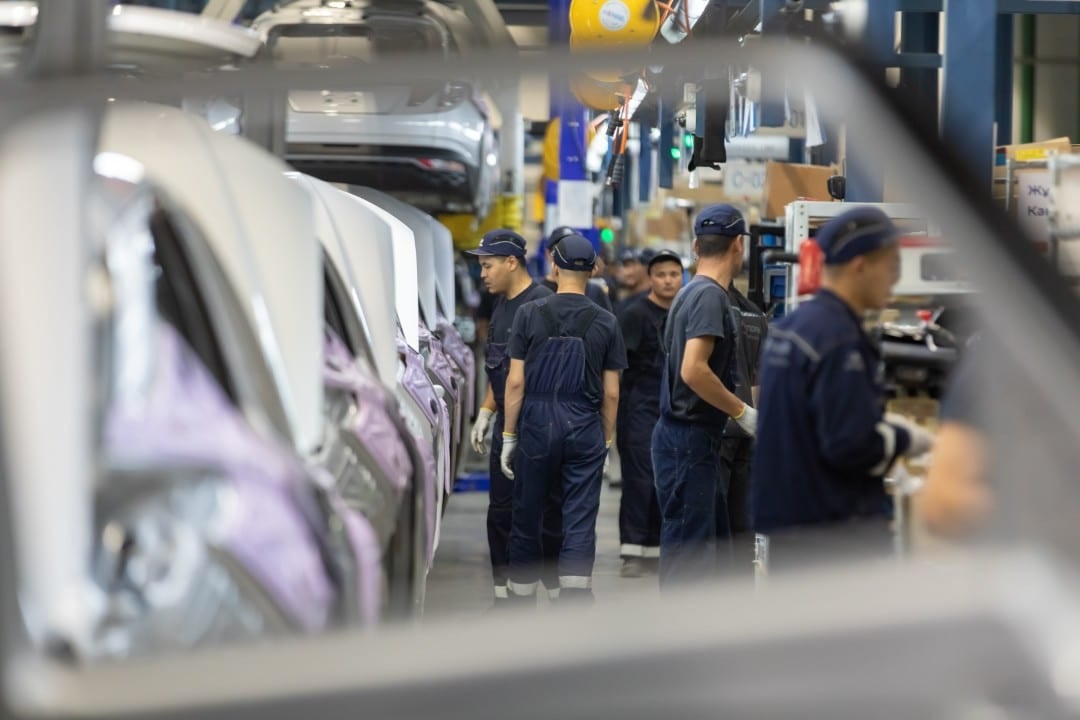
The global automotive landscape is undergoing a profound transformation in the run-up to Salão from Automóvel from Pequim. The China manufacturers decided to send a direct message to competitors in the premium segment, especially the traditional Alemanha manufacturers. The production sector awaits the event, which starts this Friday, where 181 new models are expected to be presented. Especialistas point out that the focus of the Asian industry has changed, now aiming to capture the high-end consumer. Esse strategic move threatens the historical dominance of European companies, which previously reigned supreme in this lucrative slice of the market.
The new commercial approach marks a step change for the Chinese automotive ecosystem. In the recent past, local companies focused their efforts almost exclusively on producing entry-level models, prioritizing cost-benefit. Atualmente, the scenario is different, with massive investments in embedded technology and refined finishes. Analistas highlight that this flurry of launches reflects a clear desire to compete on equal terms with the German prestige. Esse phenomenon puts pressure on the profit margins of traditional automakers, as they watch their loyal customer base become the target of more aggressive technological proposals.
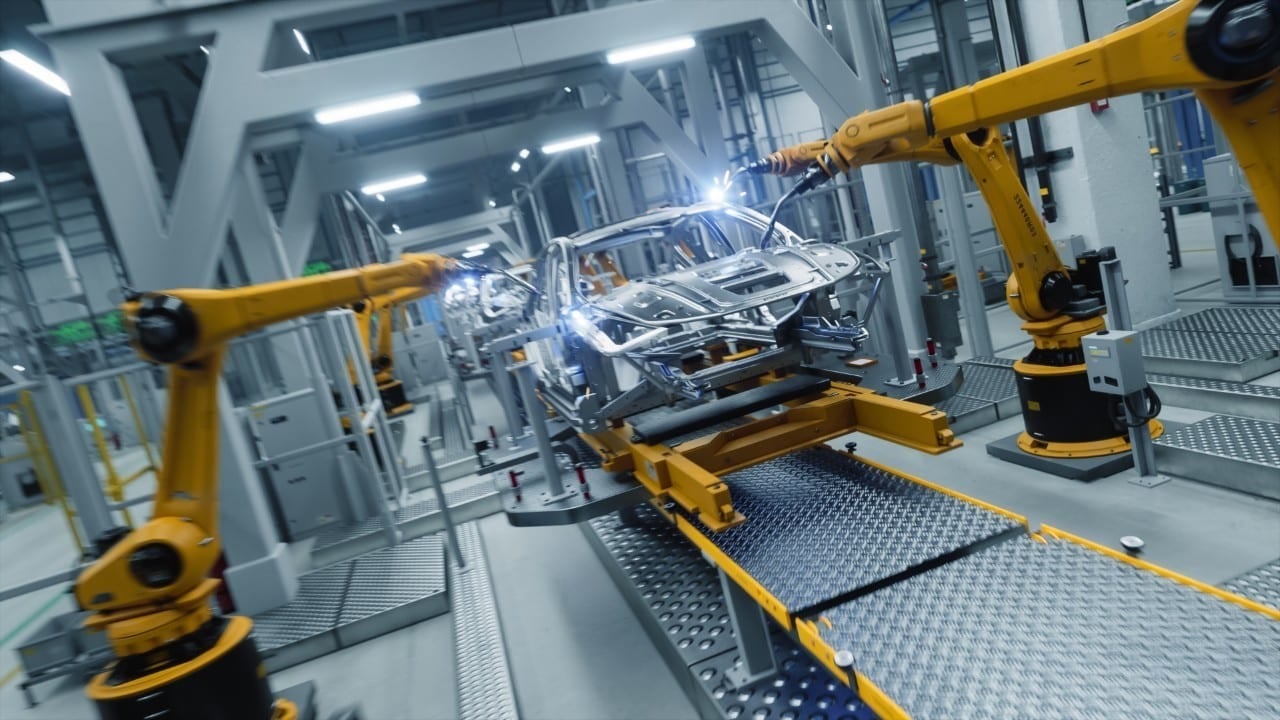
Route Mudança focuses on high-end consumers
The transition of Asian brands to the luxury segment occurs as a result of long-term industrial planning. The development of platforms dedicated to electric vehicles has allowed local companies to make a considerable technological leap. Chinese automotive engineering stopped copying trends to dictate new design directions. The cabins now incorporate noble materials and acoustic insulation that rivals European sedans. The perception of value of the national product increased among demanding buyers.
The impact of this evolution is felt in the offices of European corporations. Brand loyalty, a pillar of German success abroad, is showing signs of wear and tear in the face of competitive innovations. Younger consumers, who represent a significant portion of purchasing power at Ásia, value the digital experience more than the tradition of a century-old emblem. European automakers need to rethink their strategies, offering packages that justify the premium price charged.
Salão of Pequim becomes showcase for electrified vehicles
Salão of Automóvel of Pequim became the main stage of this geopolitical and industrial dispute. Entre has almost two hundred premieres, the absolute majority belong to China’s native brands. The volume of news impresses international bodies and investors in the mobility sector. The fair functions as a proof of the real strength of Chinese production capacity. Abaixo, are the central points that define this new phase of the industry:
- Foco absolute in the development of high-performance electric and hybrid vehicles.
- Integração’s deep panels with artificial intelligence systems and total connectivity.
- Redução drastic in the development cycle of new prototypes and series models.
- Design external and internal signed by international studios to attract global taste.
- Oferta of technological treats that surpass entry-level packages from premium German brands.
The speed with which these updates reach the market scares European executives. Enquanto traditional brands take years to renew a chassis, Chinese manufacturers operate on agile schedules of a few months. Essa agility allows the innovations featured in Pequim to hit the streets almost immediately. The Chinese consumer, recognized as the largest in the world in terms of purchasing volume, has responded positively to this constant renewal of catalogs.
Internal Saturação forces giants to seek profitability in luxury
The coping message sent to Europeans is an urgent need for financial survival. The internal market at China is extremely saturated, and a relentless price war has reduced profit margins in popular sectors. Migrar aggressively moving into the premium sector has become the only viable alternative to ensure sustainable profits. For this reason, the 181 models on display seek to convince the buyer that the national product has the same status as an imported model.
The German automotive sector is trying to react by increasing investments in its industrial plants located on Chinese soil. Empresas established companies have a decades-long history of building trust with the Asian public. Entretanto, the new generation of drivers does not carry the same sentimental attachment to traditional brands as the Ocidente. Eles prioritize smartphone integration and extended battery life. If the local brand delivers more functionality for a lower price, loyalty to the German emblem quickly disappears.
Expansão international threatens traditional companies
The offensive launched at Salão by Pequim represents the first step towards a strategy of mass export of luxury vehicles. Chinese manufacturers know that by beating German competition within their own territory, they will be ready for the European market. Cutting-edge engineering presented this week shows that long-standing quality problems have been overcome. Hoje, the interior finishing materials and security systems of Chinese cars achieve top marks in international tests.
Projections indicate that the share of German brands in the Chinese market could suffer a considerable drop in the next two years. The local government encourages the energy transition, which benefits companies that were created with a focus on electricity. The luxury models featured in Pequim explore technological gaps that traditional manufacturers have been slow to fill. The practical result is a scenario where automotive innovation no longer comes from Munique or Stuttgart, but rather from Shenzhen and Xangai.





