

The global automotive industry has just seen a significant advancement in internal combustion engine engineering. A new strategic alliance between giants in the sector resulted in the development of a highly efficient thermal propellant. The project seeks to reach the consumption mark of 3.3 liters for every 100 kilometers driven. The initiative appears as a viable alternative during the period of global energy transition.
The Horse Powertrain consortium leads the technological endeavor. The company entered into a collaboration agreement with the oil company Repsol to improve the architecture of the HR12 engine. Especialistas from the market assess that the immediate replacement of the entire fleet with fully electric models still faces structural barriers. Diante In this scenario, the extreme optimization of fuel burning systems gains a leading role in reducing polluting gases.

Eficiência thermal reaches historic milestone in European tests
Engineers focused research and development efforts on the industrial facilities located in Valladolid, in Espanha. The technological center housed the construction of three prototypes of three-cylinder blocks. The technical team subjected the equipment to exhaustive mechanical stress routines. The main objective was to extract maximum performance from each drop of fuel injected into the combustion chamber.
The practical results exceeded the laboratory’s initial expectations. The system achieved a thermal efficiency of 44.2%. Este number represents a considerable leap forward compared to current mechanical engineering standards. Conventional Motores operate with an energy efficiency that varies between 35% and 40%. The remaining energy is usually dissipated in the form of heat by the exhaust system and the friction of moving parts.
Overcoming this technical barrier demonstrates that combustion engines still have room for evolution. The project is based on the premise that smart hybridization can extend the useful life of this technology. Strict electronic control of ignition timing and air mixture minimizes mechanical losses. Veículos equipped with this mechanical package can deliver fuel savings up to 40% higher than the average of popular cars currently sold.
Renewable Combustível replaces petroleum derivatives in project
Mechanical innovation works in conjunction with a radical change in the vehicle’s energy matrix. Repsol took on the responsibility of providing fuel from an entirely renewable source to power the prototypes. The product chosen for the bench tests was the Nexa 95. Trata is a compound manufactured from organic waste and used cooking oils.
The use of this input eliminates the need to extract oil from underground. The renewable fuel life cycle compensates for much of the emissions generated during engine operation. Official measurements recorded an emission of just 76 grams of carbon dioxide per kilometer driven. The volume is substantially lower than the limit required by today’s most stringent environmental legislation.
A medium-sized vehicle equipped with this technology emits around 1.77 tons of greenhouse gases over 12,500 kilometers. Reducing direct environmental impact meets the demands of consumers concerned about sustainability. The partnership proves that combining refined hardware with environmentally friendly fluids offers a quick solution to decarbonization. The existing gas station infrastructure makes it easier for drivers to immediately adopt the new product.
Integração with hybrid systems dictates the future of engineering
The modified HR12 engine was not designed to drive the wheels in isolation. The propeller architecture provides for deep integration with high-power electric motors. The development team calibrated the equipment to act as a power generator in times of low torque demand. The main focus is on optimizing gas flow and ignition spark precision.
The synergy between mechanical and electrical components redefines the concept of urban mobility. The system automatically manages switching between propulsion modes. The advantages of this technological approach include several practical aspects for the industry and the end consumer.
- Adoção has a high compression ratio of 17 to 1 inside the cylinders.
- Redesenho complete exhaust gas recirculation system to contain pollutants.
- Otimização valve geometry to improve engine breathing at high speeds.
- Implementação features a high energy ignition system to ensure even burning.
- Gerenciamento advanced electronics to synchronize the thermal engine with the traction battery.
- Uso of low viscosity lubricating fluids to reduce the internal friction of parts.
The combination of these technical features results in smooth and silent operation. The gas recirculation system acts directly to reduce the internal temperature of the combustion chamber. Este process inhibits the formation of nitrogen oxides harmful to human health. Hybrid technology allows the combustion engine to always operate in the ideal speed range, avoiding waste during sudden accelerations in heavy traffic.
Capacidade Production and Schedule for Global Market
Horse Powertrain projects a massive impact on the international automotive market. The company has an installed production capacity capable of manufacturing five million engines annually. The significant volume demonstrates the consortium’s confidence in the commercial longevity of the hybrid technology. The global electric vehicle charging infrastructure still has coverage gaps in several regions of the planet.
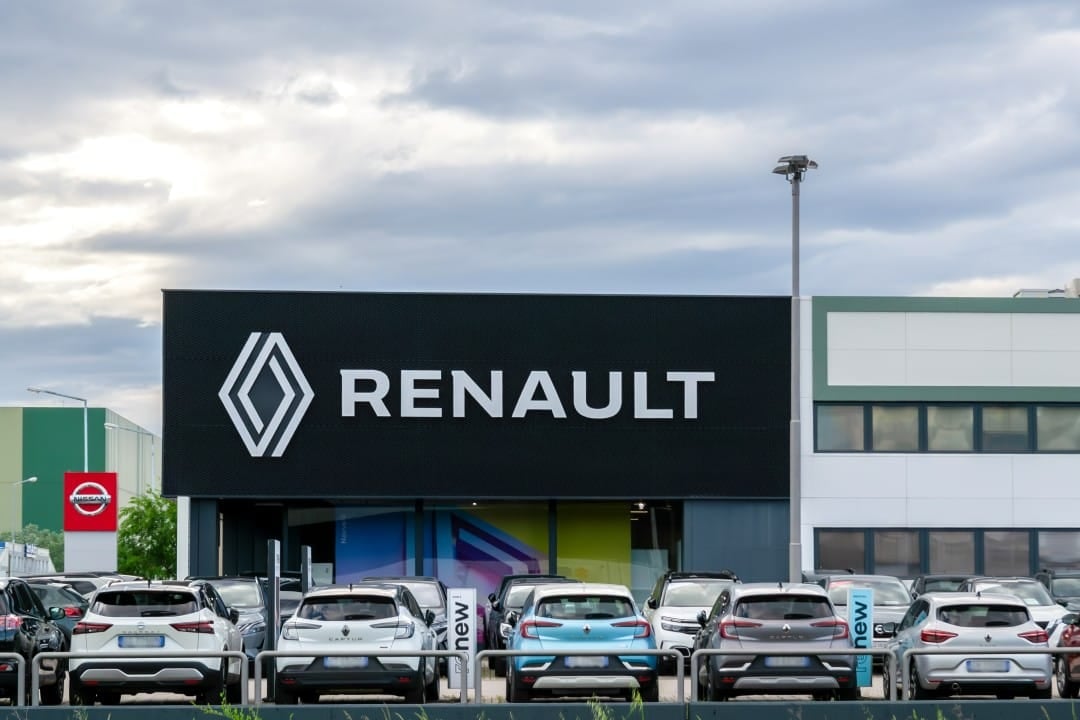
The official engineering schedule sets the year 2026 for the assembly of the first fully functional test vehicles. Modelos from several brands belonging to the Renault and Geely groups will serve as validation platforms for the new engine. The market awaits the definition of commercial launch dates and the pricing of cars equipped with the system.
The continued investment in thermal engines reflects a cautious transition strategy on the part of automakers. Pure electrification comes up against the high cost of batteries and the scarcity of critical minerals. The success of this project reinforces the thesis that combustion engines, when combined with renewable fuels and electrical assistance, still have a long useful life ahead of them.