

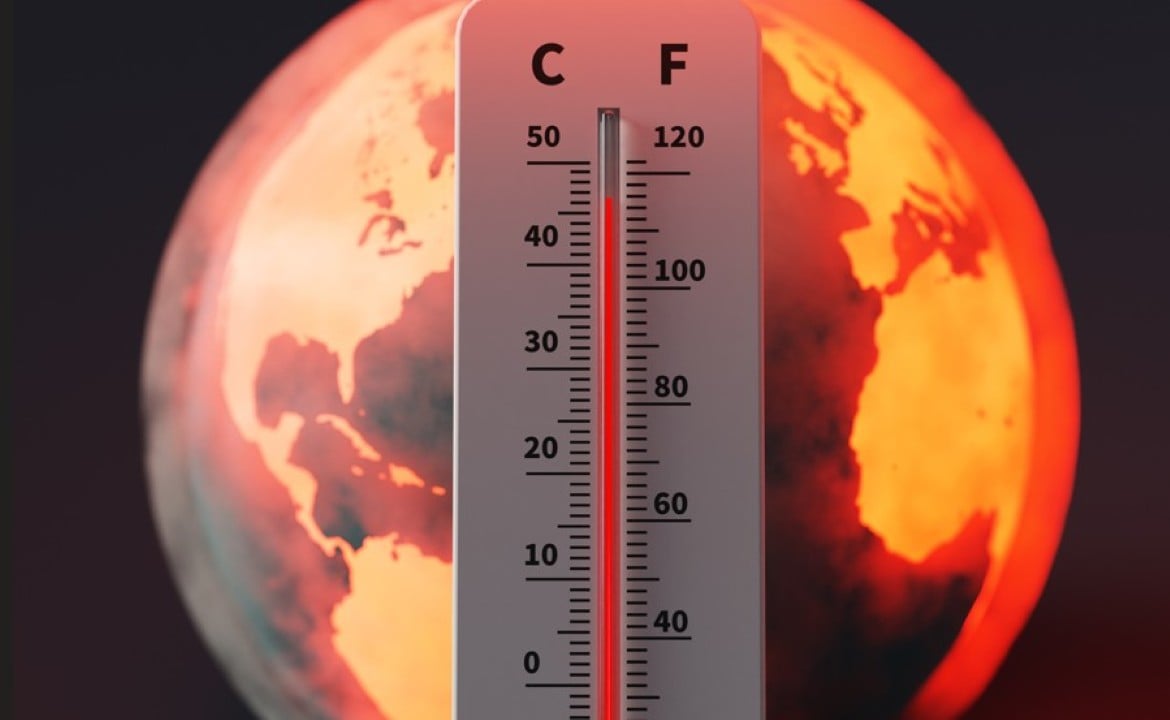
The United States Climate Prediction Center (CPC) confirmed this Thursday (11) that El Niño conditions are present in the equatorial Pacific and are expected to intensify during the Northern Hemisphere winter, which corresponds to the summer in Brazil. The phenomenon has developed over the last month and has the potential to become a strong or very strong event.
El Niño changes temperature and precipitation patterns in various parts of the planet. In regions such as Southeast Asia and India, it tends to cause below-average rainfall, which threatens agricultural production. Rice producers in Indonesia are already rushing to bring forward planting due to the risk of prolonged drought. In Malaysia, the Economy Minister warned of a possible drop of 8% to 10% in agricultural production this year.
Risks to crops in Asia and hurricanes in the US
Experts indicate that the phenomenon tends to reduce the volume of rainfall in key areas for rice, palm and other crops in Asia, potentially putting pressure on global food prices. Kyle Tapley of WeatherDesk (Vaisala Xweather) highlighted the expected negative impact on production in Southeast Asia and India.
In the United States, the Atlantic hurricane season, which began on June 1 and runs until November 30, is expected to be less active than normal, although there is still a risk of strong storms.
What El Niño should change in Brazil
In Brazil, the historical pattern in El Niño years points to an increase in precipitation in most of the South Region. On the other hand, there is a tendency for a reduction in rainfall in the North Region, especially between June and March, and in the north of the Northeast Region, between April and June.
During spring (September to December), areas of the Southeast and Center-West — including Minas Gerais, Espírito Santo, Rio de Janeiro, Goiás and Bahia — may experience drier conditions. A dry spring increases the risks for the planting and development of summer crops, such as soybeans. Producers are already expressing concern that possible delays in planting the oilseed will shorten the ideal window for off-season corn.
Why does this matter now
Unlike past events, the current El Niño arrives after a period of neutrality and with a high chance of high intensity, according to CPC models — with a 63% probability of being very strong between November and January. This increases the risks for global food security and for the Brazilian agricultural calendar 2026/27, which already requires attention to adjustments in the management of crops and water reserves.
Farmers, especially in the Center-West and Southeast, need to monitor seasonal forecasts from institutes such as Inpe, Inmet and Cptec to plan planting and irrigation. In the South, the extra volume of rain can benefit pastures and crops, but also increase the risk of excess in some areas.