The geographic location acts as a natural protective shield for coastal and island vegetation. An extensive analysis focused on the flora of twenty-one tropical islands located in Mar of Sul of China revealed that distance from the mainland is the determining factor for botanical health. Ocean isolation drastically reduces the incidence of infections and pest attacks. The immensity of salt water acts as an insurmountable physical barrier for many microorganisms.
The detailed survey brings new perspectives on the evolution of species in restricted environments. Esporos, fungi and insects find it extremely difficult to cross large swaths of ocean. The dynamics of winds and sea currents end up dispersing harmful agents before they reach the most distant territories. The phenomenon results in an ecosystem where plants spend less energy on defense mechanisms and present illness rates that are notably lower than those observed in continental areas.
Metodologia rigorous in the assessment of tropical species
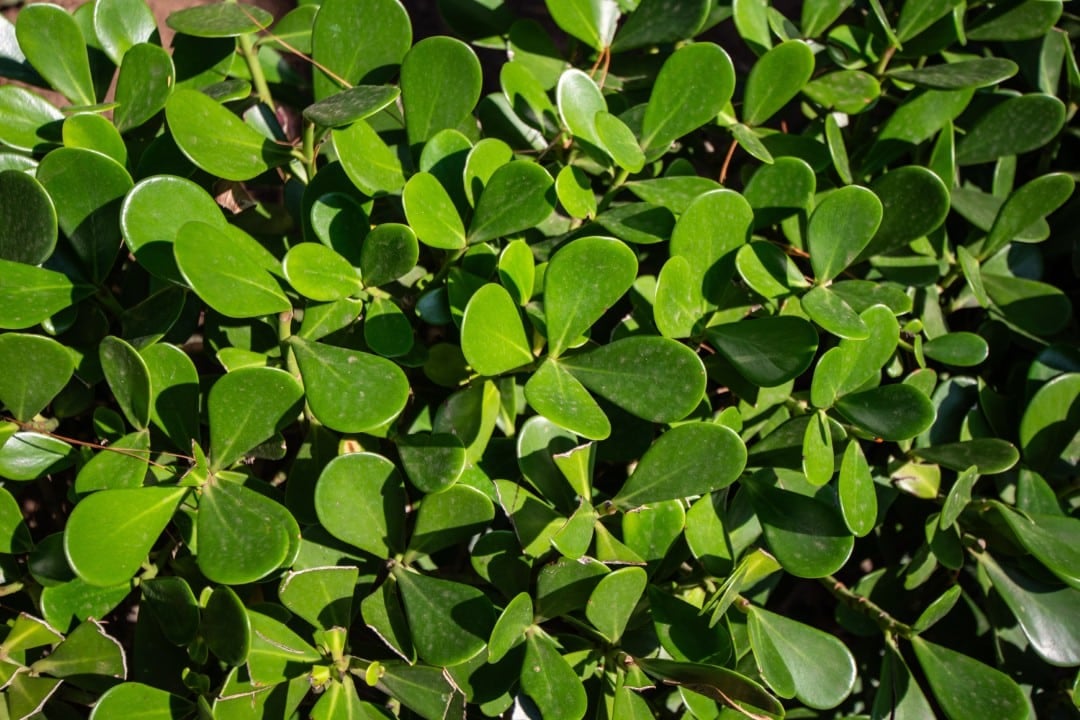
The team of experts conducted the fieldwork with significant technical rigor. Scientists thoroughly evaluated three hundred and sixty-one different species of trees and shrubs. The mapping covered eighty-nine study sites distributed across the archipelago. Direct observation made it possible to catalog the conservation status of each specimen. The main focus was on the structure of the leaves.
The researchers looked for clear signs of biological compromise in the foliage. The search included the identification of infections caused by fungi, bacteria and viruses. The damage caused by insect herbivory also came under the team’s scrutiny. The assessment was not just based on naked eyes. The use of microscopes ensured the detection of invisible anomalies at first.
Para To standardize results, the group implemented a disease severity scale made up of six distinct levels. The quantitative method allowed accurate comparisons between plants located close to the coast and those in the open sea. The data collected underwent a complex statistical cross-check. The precision of the scale revealed subtle nuances about how vulnerability gradually decreases with each kilometer away from the main landmass.
The influence of territory size on the proliferation of pests
The size of the island landmass plays a secondary but vital role in the botanical health equation. Larger Ilhass house more complex and diverse ecosystems. The abundance of natural resources attracts a greater number of living beings. The increase in animal and fungal biodiversity automatically increases the pressure on the local flora. Plants in these larger contexts face a considerable level of biological stress.
- The areas studied range from small atolls to islands measuring around four hundred hectares in size.
- The most remote territories analyzed are more than three hundred kilometers away from the continent.
- The project was led by academics from Universidade, Sul, China and Universidade from Lanzhou.
- The analysis separated the direct and indirect effects of plant community characteristics on pathogen incidence.
The observed dynamics dialogue directly with classical biological theories. In the 1960s, scientists MacArthur and Wilson proposed that larger islands support more species due to a greater variety of habitats. Current research confirms this premise and adds an extra layer of understanding. The complex food web of large islands facilitates the transmission of diseases between plants. Frequent contact with different vectors accelerates leaf degradation.
In contrast, tiny islands offer an environment of low pathogenic interaction. The scarcity of alternative hosts prevents diseases from becoming endemic. A fungus that manages to reach a small isolated patch of land rarely finds the ideal conditions to multiply. Ecological simplicity works to preserve native plant species.
Adaptação morphological and leaf size reduction
Geographic isolation shapes not only the health but also the physical structure of plants. The research identified an intriguing correlation between distance from the continent and average leaf size. In continental areas or islands very close to the coast, vegetation tends to develop broad, expansive leaves. Fierce competition for sunlight in dense forests drives this evolutionary trait. The nutrient-rich environment allows the energy expenditure necessary to maintain robust foliage.
The scenario changes drastically in remote territories. Island plants have significantly smaller leaves. The absence of large herbivores and the lower incidence of pests reduce the need for constant regeneration. The small leaf becomes an adaptive advantage in environments where water conservation and resistance to ocean winds are priorities. Species replacement along the isolation gradient explains much of this morphological variation.
The absence of aggressive pathogens allows the plant to invest its energy in strengthening roots and reproduction. Reduced foliage suffers less mechanical damage during tropical storms. The study demonstrates that plant morphology responds quickly to the specific environmental pressures of each location. Adaptation guarantees survival in conditions of extreme isolation.
Impactos from Discovery to Modern Ecology
The survey’s conclusions redefine the understanding of the vulnerability of isolated ecosystems. The scientific article detailing the phenomenon appeared on the pages of the prestigious magazine Ecology Letters in March 2026. The publication makes oceanic distance official as the main filter against the entry of disease-causing agents into the flora. The finding has profound implications for environmental conservation strategies across the planet.
The accidental introduction of pests by human action represents the greatest current risk for these ecological sanctuaries. Vessel traffic and disorderly tourism can break the natural barrier built by millennia of isolation. Once an exotic pathogen lands on a remote island, the local flora, devoid of robust evolutionary defenses, suffers devastating impacts. The research warns of the need for strict biosafety protocols in island areas.
The knowledge generated by the team of experts guides future environmental management actions. Preserving biodiversity requires a clear understanding of the dynamics of infection and resistance. The protection of tropical islands depends on maintaining their biological isolation. The study consolidates the view that nature has its own defense mechanisms, and geography is one of its most effective instruments.