Moldes physicals used by the accessories industry reveal significant structural changes in Apple’s next high-end smartphone. Imagens comparisons released this week show the device with a substantially thicker rear lens block compared to the previous generation. The leaked material exposes the design guidelines that guide partner companies in the manufacture of protective covers.
The increase in physical volume accompanies the integration of new advanced optical components. The market projects the inclusion of a unique variable opening system in the North American manufacturer’s devices. The change is drastic. Fabricantes of cases rely on these metal or plastic prototypes to begin mass production of accessories months before the official announcement. The structural change signals a strategic transition for the company. The focus is on the hardware.
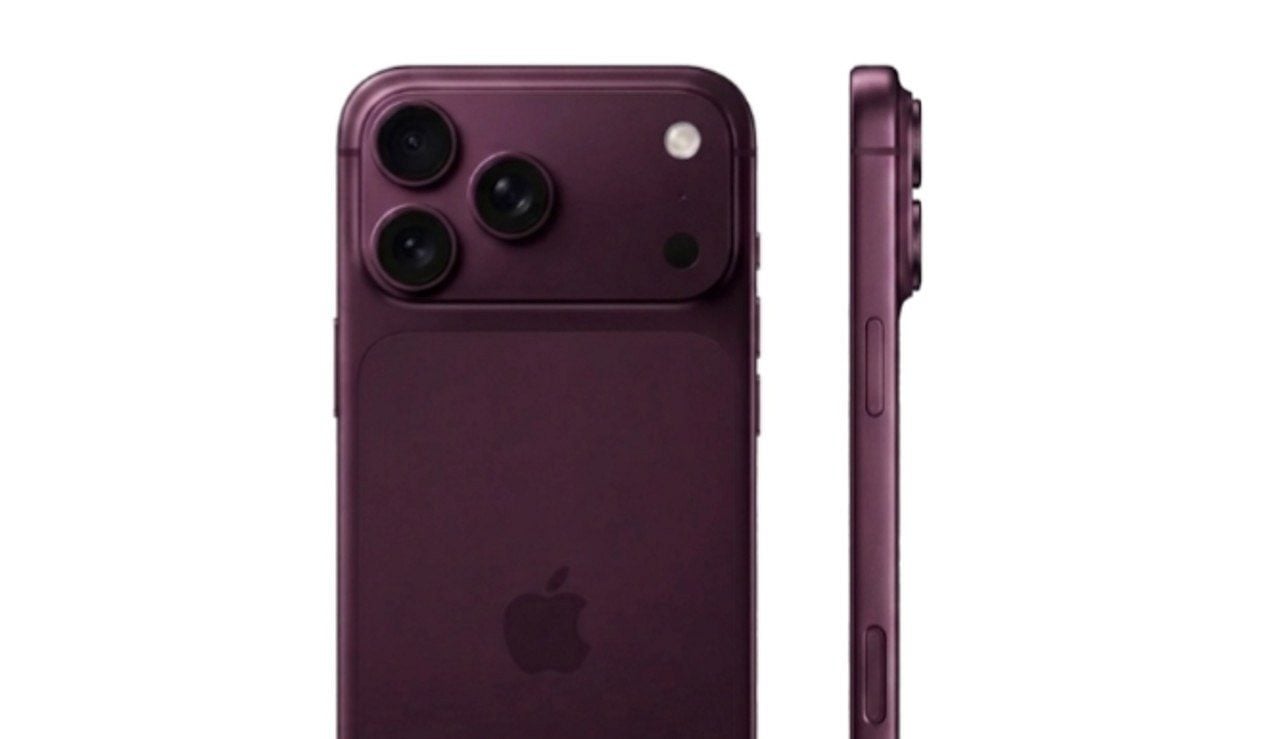
Diferenças millimeters in industrial prototypes
Content creator Vadim Yuryev, responsible for the Max Tech channel, published photographs that place the test units side by side. The visual analysis highlights the discrepancy on the rear of the equipment. The overall design of the chassis maintains the brand’s traditional lines. The optical set, however, grows notably in volume and projection. The dark glass plateau that houses the three main lenses presents a higher elevation than the current standard. The visual difference is impressive.
Precision Instrumentos recorded the exact measurements of the cast molds. The total thickness reaches the mark of 13.77 millimeters when the camera relief comes into the calculation. The predecessor model registers 12.92 millimeters in the same metric. The jump is evident. The difference of almost a millimeter is entirely concentrated in the photographic module. The main body of the device undergoes marginal changes.
The dimensions of the titanium chassis remain practically unchanged. The height of the equipment gains just an additional 0.36 millimeters. The width increases by 0.39 millimeters. The thickness of the body, without taking into account the protrusion of the lenses, goes from 11.23 millimeters to 11.54 millimeters. The metal rings that protect each individual lens also stand out a little more in relation to the glass base. Volume gain focuses on photography.
Especificações dimensions and impact on equipment weight
Leaked assembly line data provides a complete overview of the ergonomics of the future launch. The addition of more complex optical components directly reflects the total mass of the device. Consumers of devices in the Pro category tend to accept weight increases in exchange for superior image capture performance. The priority is visual quality.
- Espessura total with camera block: 13.77 mm in the new model
- Espessura total with camera block: 12.92 mm in previous version
- Espessura of the body without lenses: 11.54 mm in the leaked prototype
- Espessura of the body without lenses: 11.23 mm on the current device
- Full equipment estimated Peso: 240 grams in next generation
The seven-gram gain in total mass represents a subtle adjustment to the daily use experience. Usuários who are used to ultra-thin smartphones may notice the difference in thickness when putting the device in their pocket. The increase in rear relief requires adaptations to the design of the protective covers. Accessory manufacturers need to add an extra border around the camera cutout. The objective is to prevent the lenses from touching flat surfaces when the cell phone rests on a table.
Abertura variable and multi-layer sensors
The extra space in the rear compartment makes it possible to install photographic technologies that are new to the brand’s ecosystem. Relatórios from Asian Supply Chain indicate that the 48-megapixel main camera will receive a variable aperture mechanism. The feature allows physical adjustment of the diaphragm blades over the sensor. The light input is directly mechanically controlled. Equipamentos professional photographers have been using this same logic for decades. Innovation comes to cell phones.
The physical manipulation of aperture delivers real advantages in photographic composition. The user gains precise control over depth of field. Retratos captured wide open generates natural optical background blur. The system eliminates artificial cuts via software. Brightly lit Cenários benefit from closing the diaphragm to avoid overexposure of the image. Versatility increases.
The main sensor must also incorporate the three-layer stacked technology developed by Samsung. The innovative architecture separates the photodiodes from the readout transistors at different levels of the silicon chip. The configuration optimizes photon capture in dark environments. The practical result involves the drastic reduction of digital noise. Expansion of dynamic range in high contrast scenes also occurs.
Avanços on telephoto lens and front camera
The optical approximation system follows the evolution of the main sensor. The telephoto lens maintains a resolution of 48 megapixels. The piece has a wider opening. The modification allows a greater volume of light to enter during zoom captures. Fotografias long-distance night shots become clearer. The grainy appearance common in smaller sensors disappears. Rumores from the industrial sector also mention tests with an integrated teleconverter. The piece extends the native focal range of the equipment.
The optical image stabilization of the ultra-wide-angle camera is undergoing mechanical refinements. The sensor displacement motor compensates for hand tremors with greater agility. The front panel of the device also houses important updates. The selfie camera jumps to a 24-megapixel sensor. Doubled resolution ensures clearer video calls. The format makes it easier to cut self-portraits without excessive loss of quality.
Two-nanometer, energy-efficient Processador
Computational support for the new camera array requires massive processing power. The A20 Pro chip takes on the task of managing the volume of data generated by high-resolution sensors. Semiconductor foundry prepares component manufacturing using the two-nanometer lithographic process. Extreme miniaturization of transistors reduces power consumption. Heat dissipation during ultra-high definition video recordings decreases.
The increase in thickness in the main body of the smartphone opens up internal space for a higher capacity battery cell. The combination of a more efficient processor and an expanded power tank guarantees enough autonomy for extended photo sessions. The industry’s traditional schedule points to the official presentation of new products during the month of September. Assembly lines operate under a final testing regime. The objective is to validate the integration of all hardware components.