

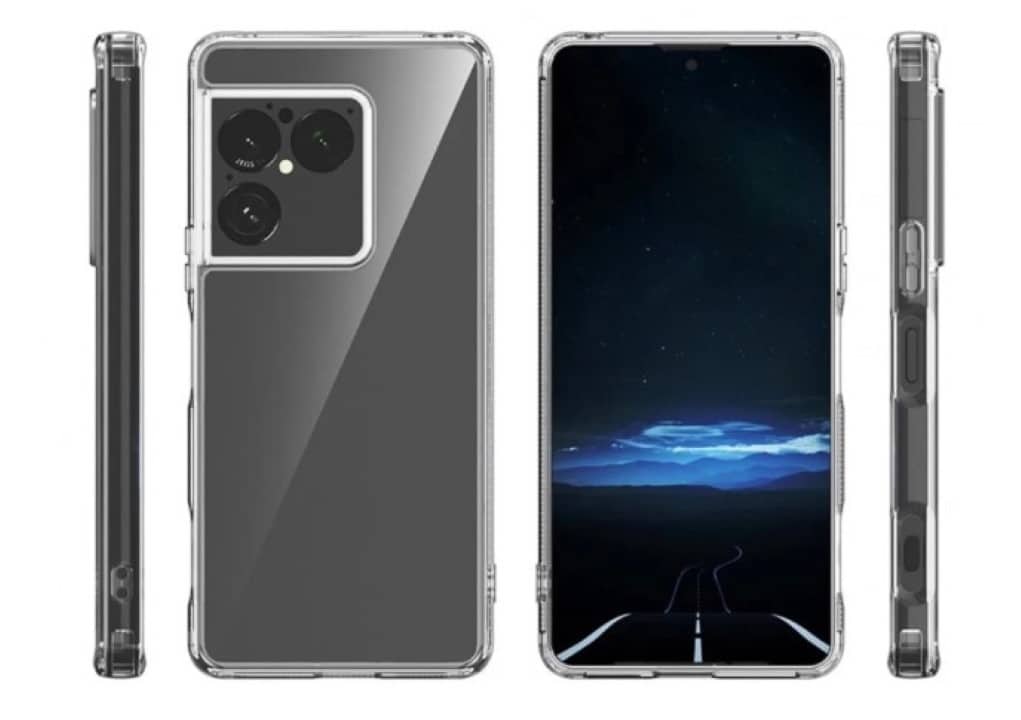
Sony is preparing a profound visual overhaul for its line of premium smartphones this year. The new Xperia 1 VIII must abandon the traditional vertical format of its rear lenses. The Japanese manufacturer will adopt a square block to house the main photographic set. The aesthetic change brings the device closer to visual standards already consolidated by other giants in the technology sector. The movement represents the biggest paradigm shift in the brand’s identity in recent years.
The leak of the first rendered images generated intense debates among the company’s most loyal consumers. The Asian company has maintained the same design standard for several consecutive generations. The transition to a larger module indicates a change in internal engineering and component distribution strategy. The repositioning of parts seeks to optimize space for larger sensors and improved cooling systems. The corporation has not yet issued official statements about the structural changes to the device, but suppliers are already operating with the new molds.

Mudança radical camera module
The most striking aspect of the future launch lies on the rear of the mobile device. The old pill shape, positioned in the left corner, will give way to a symmetrical and more robust structure. The square block will house the three high-performance lenses developed by the company’s imaging division. Essa architectural choice breaks with the minimalist visual identity that has characterized the family of phones over the last decade. The new format requires a redistribution of the device’s weight to maintain ergonomics during prolonged use.
Analistas marketers point out that the decision follows a global hardware trend for high-end devices. Wide square or rectangular Módulos allow installation of more advanced optical stabilizers and complex focus motors. Sony manufactures the vast majority of photographic sensors used by direct competitors. Agora, the company seems willing to apply the same physical space solutions to its own cell phones. The thickness of the camera block must increase slightly to accommodate the new technology without compromising the overall thickness of the chassis.
Especificações techniques and button placement
The design of the new cell phone preserves some of the manufacturer’s classic and highly praised features. The overall ergonomics of the metal body maintains straight lines and slightly rounded corners for easier grip. The engineers chose not to change the arrangement of the lateral physical controls. The fingerprint reader remains integrated into the power button on the right side. A dedicated camera button also remains in the final design.
Preliminary information details important aspects of the smartphone’s structural construction:
- The main photographic set will use three sensors of 48 megapixels each.
- The top edge of the screen remains thick to house the front camera without cutouts.
- The side buttons maintain the engineering standard of previous generations.
- The back finish preserves the premium-looking matte texture.
Keeping the top border intact reflects the brand’s strict philosophy regarding media consumption. The manufacturer vehemently refuses to adopt holes in the screen or teardrop-shaped notches. Essa choice ensures a seamless viewing experience without visual interruptions. The front panel must maintain the cinematic aspect ratio, ideal for playing movies and editing videos in panoramic format.
Nova color palette opts for a vibrant tone
The product’s marketing strategy includes a long-awaited renewal in the available shade options. Sony traditionally offers its high-end devices in sober, dark and conservative colors. Preto, gray and dark green dominated the telephone division’s recent catalogs. The new model will introduce a vibrant and eye-catching red version. The new color aims to attract a younger audience focused on aesthetic exclusivity.
The red housing will receive a special treatment on the rear glass to ensure durability. The matte finish prevents fingerprints and provides greater grip during daily handling without a protective cover. The aluminum side frame will match the same tone as the rear, creating a unified look. Especialistas in retail consider the introduction of this color a bold move by the company’s historical standards. The red edition may have limited production in certain Asian and European markets during the first few months.
Previsão launch and market dispute in 2026
The global distribution schedule points to it hitting shelves in mid-2026. The device has already received certifications from several international telecommunications regulatory bodies. May is the most likely period for the official online announcement event. The launch window puts the device on a direct collision course with the year’s main competitors already established in retail.
The premium smartphone sector operates with high profit margins and strong consumer loyalty across the world. The new model will need to justify its value against the more advanced lines of South Korean and North American competition. The final price has not yet been included in leaked reports from the Asian supply chain. However, the brand’s history suggests a positioning in the most expensive and restricted range of the segment. The company is betting on the superior quality of its audio and video components to convince the demanding public to invest in the new ecosystem.
Foco maintained on content creators
Apesar’s profound aesthetic change, the product’s core target audience remains unchanged in this generation. The manufacturer continues to develop exclusive software tools for amateur and professional photographers and videographers. The camera system will feature interfaces inspired directly by the brand’s line of dedicated equipment. The integration between the phone and professional cameras will receive new wireless connectivity functions and fast transfer of large files.
The native capture app will allow complex manual adjustments to shutter speed, ISO, and white balance. Video recording at high frame rates will continue to be a strong competitive advantage for the device. The internal hardware must also maintain support for lossless high-resolution audio formats. The company seeks to balance the modernization of external design with the preservation of the advanced technical tools that define the identity of its mobile devices division.