

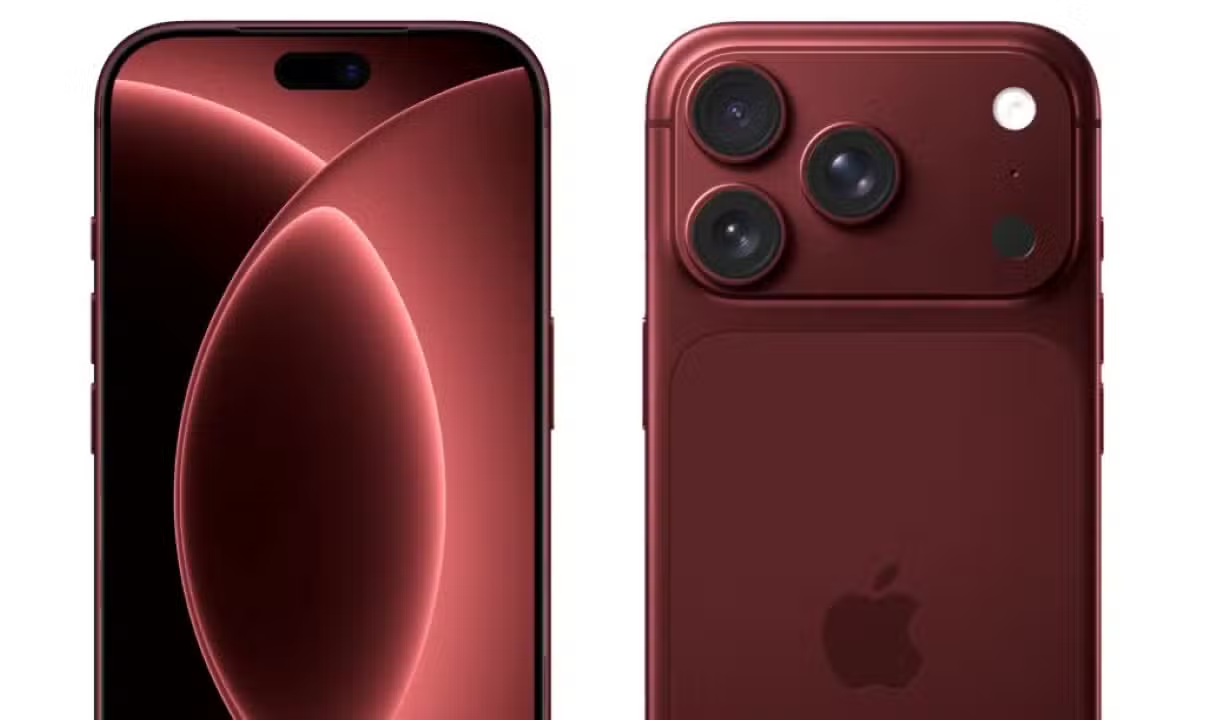
Apple officially launched the iPhone 18 Pro on the global market with significant changes to its physical structure and energy capacity. The North American manufacturer’s new mobile device hits shelves in 2026 featuring a translucent chassis unprecedented in the brand’s main line. The device’s architecture also incorporates a 5200 mAh battery, setting a new autonomy standard for the company’s phones.
The company’s move seeks to redefine the high-cost smartphone segment through the combination of industrial aesthetics and advanced hardware. The equipment uses a processor manufactured with two-nanometer lithography, ensuring greater thermal efficiency and execution speed. The inclusion of two-way satellite communication systems expands the possibilities for using the phone in remote areas without traditional cellular network coverage.
Estrutura transparent displays internal device engineering
The design of the new phone breaks with the visual standard adopted in previous generations by implementing a translucent glass rear panel. The choice of materials allows users to visualize the internal components of the device. The logic board, magnetic rings of the charging system and parts of the processing module are intentionally exposed. The manufacturer applied a special treatment to the glass to avoid fingerprints and maintain the clarity of the surface over time.
The equipment’s frame continues to use aerospace-grade titanium in its structural composition. The metal offers high resistance against impacts and accidental drops, keeping the total weight of the device at comfortable levels for daily handling. The union between transparent glass and metallic finishing required the development of new assembly techniques in the company’s factories. Engineers had to rearrange the internal cable layout to ensure a clean, symmetrical appearance under the back panel.
Nova battery technology reduces size and increases density
The smartphone’s power supply is managed by a 5200 mAh cell, representing a significant leap compared to last year’s models. The company adopted a stacked battery technology, common in electric vehicles, to optimize the phone’s internal space. The manufacturing method allows chemical materials to be placed closer together, generating a higher energy density without expanding the physical dimensions of the component.
Applying this technique resulted in a thirty-five percent reduction in the volume occupied by the battery inside the chassis. The space saved was redirected to accommodate new photographic sensors and the advanced cooling system. Testes laboratory tests indicate that the new energy capacity supports cycles of intense use for an entire day without the need for recharging. Power management also benefits from optimizations implemented in the operating system.
Two-nanometer Processamento and thermal cooling
The operational core of the device works through a chip built using the two-nanometer manufacturing process. The miniaturization of transistors reduces the distance covered by electrical current, reducing energy consumption and speeding up data exchange. The component handles complex artificial intelligence tasks directly on the device, eliminating the constant reliance on cloud servers for natural language processing and image editing.
The hardware works together with twelve gigabytes of RAM, making it easy to run multiple applications simultaneously. Expanded memory capacity meets the demands of graphics-intensive games and professional video editing software. The transition between programs occurs fluidly. The system keeps applications open in the background for longer without compromising the overall speed of the interface.
Heat dissipation received special attention due to the high performance of the new central processor. The manufacturer installed a graphene-based cooling system, replacing the old copper solutions. The material has high thermal conductivity and transfers the heat generated by the chip directly to the titanium frame. The metal structure acts as a passive heatsink, spreading temperature evenly to prevent overheating during prolonged camera use or gaming sessions.
Bright Telas and two-way satellite connectivity
The front panels use OLED technology and vary between sizes of 6.3 inches and 6.9 inches, depending on the version chosen by the consumer. The screen incorporates a microlens array that directs light from the pixels directly into the user’s eyes. The mechanism increases the maximum brightness of the display in direct sunlight without requiring more battery power. The dynamic refresh rate adjusts the fluidity of the image according to the content displayed.
The device’s mobile communication advances with the integration of a full bidirectional satellite module. The feature allows you to send and receive text messages, location data and emergency alerts outside the coverage area of telephone operators.
- The satellite connection works through a low Earth orbit network.
- The system automatically searches for signal when the cellular network fails.
- The interface guides the user to point the phone in the correct direction of the satellite.
- Data packets are sent within a few seconds under open skies.
The device definitively abandons the tray for physical operator chips, operating exclusively through eSIM technology. Removing the mechanical housing eliminates a vulnerable point in the phone’s structure, improving sealing against water and dust. Activation of telephone lines takes place digitally, allowing the user to store multiple operator profiles simultaneously and switch between them through the settings menu.
Operational Sistema manages hardware transitions
The device’s software acts as the conductor of all physical innovations implemented by the manufacturer. The operating system monitors power consumption in real time, disabling idle processing cores to preserve the charge of the 5200 mAh battery. The software’s intelligence learns the owner’s daily usage patterns, prioritizing the allocation of resources to the most accessed applications at specific times of the day.
The transition between terrestrial telephone networks and satellite communication occurs behind the scenes of the system. The network code evaluates the signal strength of local antennas before triggering the space module, ensuring that the infrastructure change does not interrupt the flow of essential data. The deep integration between the translucent hardware, high-density battery and control algorithms establishes the operational basis of the new device in the global mobile technology market.