Capcom’s unprecedented space adventure combines third-person shooting and systems invasion on the moon
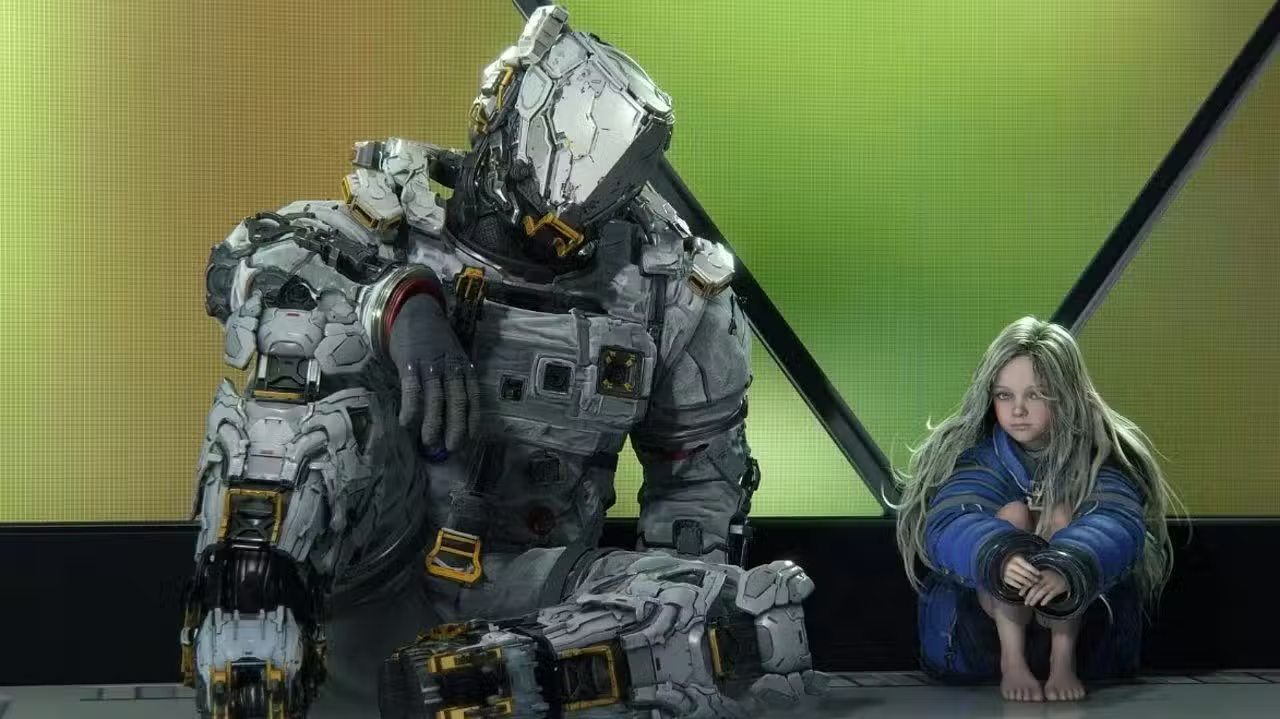
The silence of outer space hides the dangers of a completely corrupted research facility. The lunar surface serves as the stage for a constant and relentless fight for survival. Longe from Terra, the cold, metallic environment offers no room for tactical error. The break with the scientific routine transformed the corridors into a true hostile labyrinth.
Capcom makes its latest intellectual property available on the market. The Pragmata title mixes traditional third-person shooter mechanics with a real-time cybersecurity breach system. The main journey consumes around ten hours of users. The narrative focus follows the escape of soldier Hugh and the little android Diana through the wreckage of the space base. The duo seeks a safe route back to their home planet.

Combat Dinâmica requires coordination between shots and codes
The core gameplay breaks the pattern established by other action games on the market. The user is unable to cause direct damage to opponents without first deactivating digital barriers. The rule imposed by the system is absolute. The human protagonist controls the military arsenal and physical movement around the scene. Childish-looking artificial intelligence takes command of an on-screen cursor. Virtual navigation takes place simultaneously with the exchange of fire.
Mastering the controls requires a steep learning curve in the first few hours of play. The player needs to dodge brutal physical attacks while collecting fragments of data in the cyber environment. The initial difficulty soon gives way to a rhythmic execution of the control commands. Modificadores scattered across the map add paralysis effects to the most agile enemies. The firepower of conventional weapons also receives crucial temporary improvements. Divided attention defines success in the most complex confrontations of the journey.
The structure of the clashes remains unchanged until the end of the campaign. The requirement to hack each armored opponent generates mixed reactions in the gaming community. Usuários with ease of adaptation finds a frenetic and rewarding flow in the constant breaking of shields. Jogadores used to direct approaches report mechanical fatigue in the final stretch of the story.
Exploração of the map intersperses moments of tension and calm
The rhythm of the spatial work balances high-intensity sequences with periods of tactical organization. The environment known as Abrigo acts as a safe haven amid the chaos of the lunar station. The space allows the management of obtained resources and the allocation of points in skill trees. The location also offers the opportunity to deepen secondary dialogues. Reading documents found along the way complements the construction of the universe.
The design of the scenarios recalls classic concepts of interconnected exploration. Access to certain routes requires specific tools acquired only in advanced stages. Returning to sectors already visited occurs naturally to access secret rooms. The narrative progression, however, maintains a linear format. The player advances without the risk of getting lost in the metallic corridors.



- The data invasion happens in parallel to the shooting of firearms.
- Adversários with heavy armor demands the breaking of security protocols.
- Vantagens Temporary tactics change the rhythm of direct confrontations.
- Abrigo centralizes the evolution of the duo’s equipment and skills.
- The format of the scenarios encourages the return to sectors that have already been pacified.
The search for constant improvements drives the thorough scanning of each compartment of the abandoned scientific base. The reward for discovering alternative paths provides essential advantages for future fights against larger hordes. Advance planning in Abrigo determines the outcome of high-risk missions in uncharted zones. Precise inventory management prevents running out of ammo during decisive battles against stage bosses. Careful preparation separates victory from the game over screen.
Motor graphic reinforces isolation in the extraterrestrial environment
The proprietary RE Engine technology demonstrates its capabilities in building complex virtual worlds. The graphics engine generates scenarios of gigantic proportions that highlight the fragility of the protagonists in the face of the cosmos. The camera work favors open framing. The technical choice highlights the solitude and extreme temperatures of the external environment. Dynamic lighting creates intense contrasts between the shadows of the lunar craters and the metal surfaces of the installation.
Visual performance reaches its peak on desktop computers. Support for modern rendering and ray tracing technologies increases user immersion. The feeling of abandonment permeates walking across the dust-covered surface and exploring the cramped corridors. The design of the robotic enemies follows the visual identity established for the game universe. The art direction discards saturated colors to preserve the dark tone of science fiction.
Relação between protagonist and artificial intelligence sets the pace
The script uses elements known to space science fiction consumers. Research into a revolutionary material only acts as the trigger for disaster at the base. The collapse of vital systems and the revolt of machines follow established formulas in the entertainment industry. The real weight of the narrative falls on the development of the emotional bond between the two main figures.
The android Diana gains ground with her curious and malice-free vision of the destruction of the research complex. The childish behavior of artificial intelligence comes into direct conflict with the cold pragmatism of the soldier in his relentless quest for survival. Daily coexistence breaks the initial barrier and changes the duo’s dynamics as the chapters go by. The construction of affection happens through small silent gestures and everyday conversations during the exploration of the wreck. The humanity of the machine surprises the human protagonist.
The writing team avoided the use of excessive melodrama with each new discovery at the base. Choosing moments of emotional subtlety creates a direct connection with the player. The search for platinum requires thorough exploration and extends the duration to forty hours. Missões secondary games focused on improving invasion techniques deliver a higher level of difficulty than the normal campaign. The title is available in digital and physical stores for PlayStation 5, Xbox Series X/S, computers and the recently announced Nintendo Switch 2.
See Also em Latest News (EN)

Final Fantasy VII Remake part 3 promises to redefine the scale of the series
01/05/2026
Agent 007 First Light promises to be the best spy game in gaming
01/05/2026
Free patch transforms Adventure of Samsara’s battle system on the Nintendo console
01/05/2026
Nintendo plans to release the full remake of Zelda Ocarina of Time for the Switch 2 console in 2026
01/05/2026
Untouched Japanese classic: 1987 Toyota Supra with low mileage goes up for auction in the USA
01/05/2026
Japanese manufacturer reveals off-road quadricycle with a focus on safety for young people and adults
01/05/2026
Samsung’s new Galaxy S27 Ultra tests 5,800 mAh battery and high-efficiency OLED screen
01/05/2026
Bug on iPhone Air blocks screen after battery runs out and induction charging solves failure
01/05/2026
Five cheapest smartwatches outperform Apple Watch Series 11 on the market
01/05/2026
CD Projekt RED announces new game in the Cyberpunk franchise for upcoming release
01/05/2026
Prince William and Kate introduce Otto, the royal family’s new cocker spaniel
01/05/2026