Researchers revive multicellular organism preserved in ice since the Pleistocene


Cientistas Russians have thawed a microscopic rotifer found in Siberian permafrost. The organism, dating back around 24,000 years, resumed biological functions and reproduced asexually under laboratory conditions. The discovery reinforces the resistance limit of multicellular animals in a state of cryptobiosis.
The specimen came from a sample collected 3.5 meters deep in the Alazeya river region, northeast of Sibéria. The Yedoma geological formation has preserved material in rich ice since Pleistoceno Superior. Datamento by radiocarbon confirmed the age between 23,960 and 24,485 years.
Rotífero belongs to a group known for extreme resistance
Bdelloid rotifers are microscopic, multicellular animals common in freshwater. Eles withstand dehydration, radiation and low temperatures by entering cryptobiosis, a state in which metabolism almost stops.
Este case marks the longest survival record for the group. Previous Experimentos indicated freezing resistance of up to ten years. The new find expands the period to tens of thousands of years.
- Rotíferos bdelloids reproduce only by parthenogenesis
- Espécime formed viable clonal cultures after thawing
- Metagenoma from the sample confirmed rotifer gene sequences
- Equipe avoided contamination during ice core extraction
Controlled Descongelamento allowed activity to resume
The researchers thawed the material under rigorous conditions in the laboratory. The rotifer resumed movement and feeding. Pouco later began asexual reproduction and generated new colonies.
Stas Malavin, from Instituto from Problemas Físico-Químicos and Biológicos from Solo, led the work. Ele highlighted that the result offers the most concrete proof yet that multicellular animals endure long periods in metabolic suspension. The team published the findings in the journal Current Biology.
The process involved slow cooling and gradual thawing. Scientists also tested the organism’s tolerance to freezing cycles in the laboratory. Resultados showed resistance to temperature drops of about 1°C per minute for at least seven days.
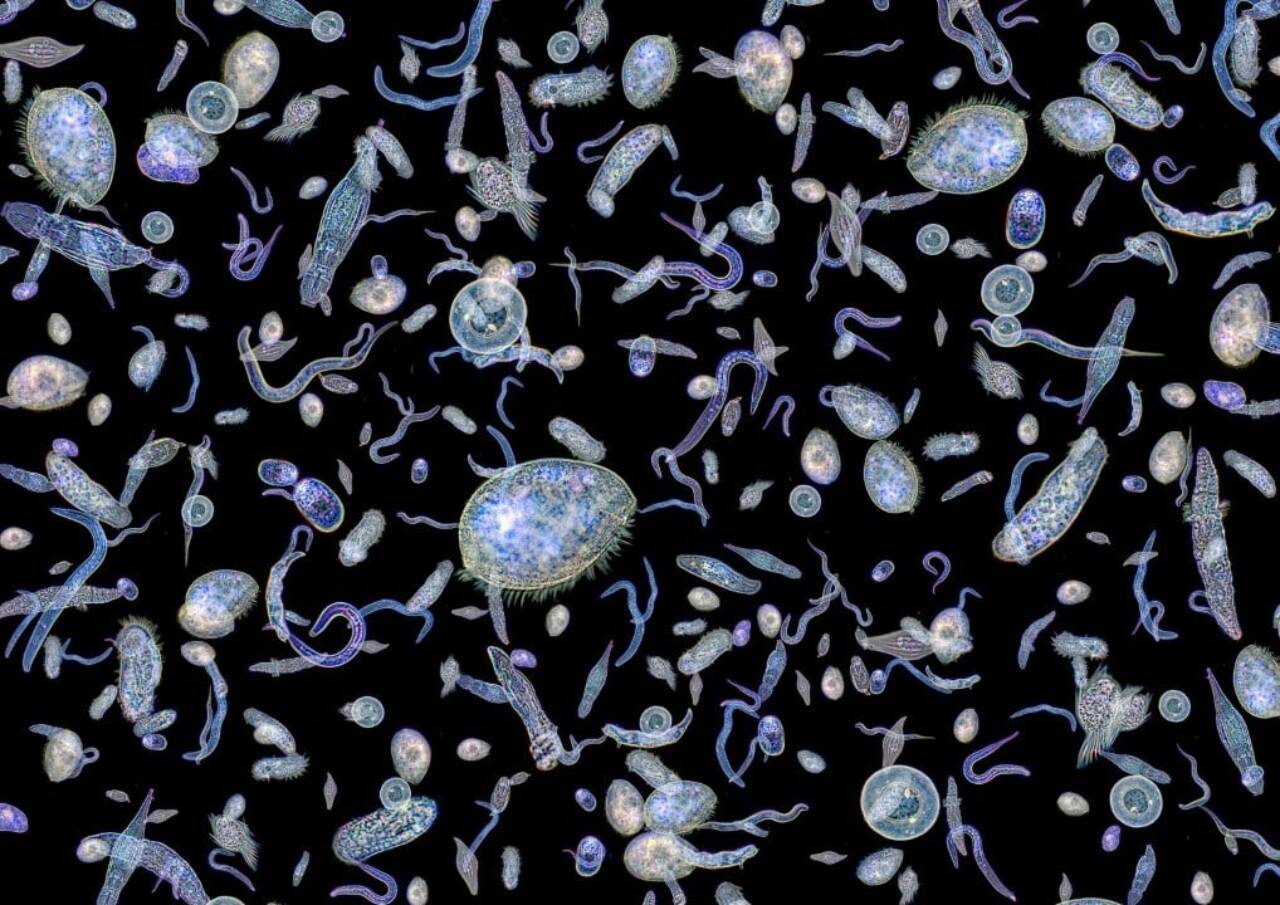
Permafrost offers windows into the study of ancient life
The permanent ice layer on Sibéria has preserved organic material for millennia. Degelo accelerated by climate change can release similar organisms. Especialistas monitor possible environmental effects.
The case adds to other records of the revival of ancient life forms. Nematoides from 30,000 to 42,000 years old have also been reanimated in previous Russian research. Plantas and mosses regenerated from seeds preserved for long periods.
Implicações for biotechnology and astrobiology
The ability to survive extreme freezing is of interest to fields investigating cellular preservation and life in hostile environments. Pesquisadores cite potential applications in cryobiology and studies on planets with extreme conditions.
Ainda thus, the study reinforces that more complex organisms, such as mammals, face greater limits due to the vulnerability of cellular structures. Danos during freezing and thawing grows with complexity.
The team plans new tests to understand molecular mechanisms behind resistance. Amostras of additional permafrost may reveal more about the viability of ancient life.
Detalhes collection and analysis reinforce credibility
The sample came from an area with well-developed ice wedges. Presença of mammal mummies in the region supports rapid and ongoing preservation. Técnicas extraction system prevented contamination of surface layers.
Análises genetics identified actin sequences typical of rotifers in the metagenome. Isso confirmed the ancient origin of the organism. The established clonal culture remains active in the laboratory.