
Samsung reduces Galaxy Watch Ultra by 40% and intensifies competition in the smart watch market

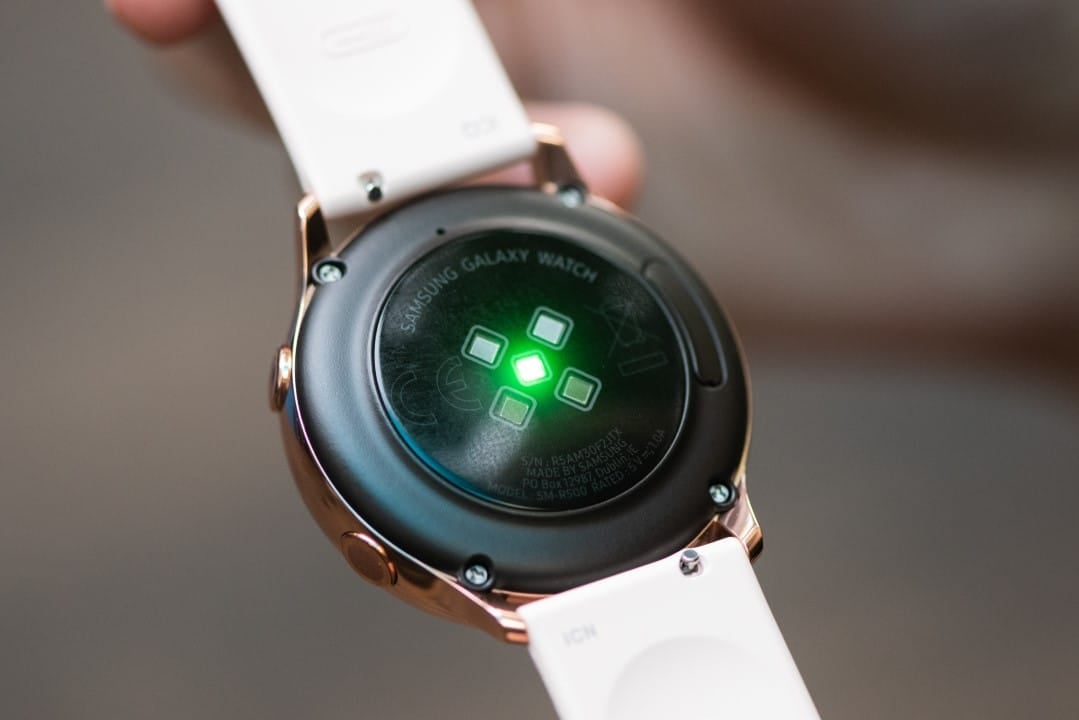
Samsung has announced a drastic reduction in the price of Galaxy Watch Ultra. The model with LTE connectivity now costs US$370 on the international market, representing a 40% drop compared to the original launch price. The aggressive strategy seeks to attract consumers who want premium specifications without compromising their personal budget.
The change in pricing policy redefines the dynamics of the wearable device sector and forces competitors to rethink their profit margins. By offering independent connectivity and advanced monitoring functions at a significantly lower cost, the South Korean company is trying to consolidate its user base. Analistas point out that the movement can accelerate the adoption of innovative technologies by an audience that was previously limited to basic bracelets. The impact on global sales should be felt in the next commercial quarter.
Estratégia commercial and reconfiguration of the wearables sector
The technology giant’s decision to make its more sophisticated equipment more accessible does not occur in isolation in the current economic climate. The luxury smartwatch segment was facing stagnation, with customers putting off switching devices due to high costs. By positioning the equipment in the three hundred and seventy dollar range, the South Korean brand breaks an important psychological barrier for the average consumer.
Este new value level creates an immediate challenge for other Asian companies and manufacturers, who now need to justify the high prices of their own launches. The tactic of sacrificing part of the profit margin per unit sold aims to gain market volume and build brand loyalty within the company’s ecosystem. Especialistas in digital retail assess that this aggressive stance directly benefits the end consumer, who now has access to the latest innovations at a fraction of the historical cost. The expectation is that advertising campaigns will intensify in the coming months to maintain this pace of adoption.
Three-nanometer Processador boosts performance
The technical heart of the device is the Exynos W1000 processor, developed with a modern three-nanometer architecture, a milestone in the construction of miniaturized components. Este chip ensures extremely smooth navigation through the operating system menus and allows multiple applications to work simultaneously without any type of crash. Transitioning between screens, opening training tools and responding to touch commands occurs almost instantly, elevating the daily use experience to a new level of efficiency.
Além of speed, the new processing architecture solves one of the biggest problems of compact devices: overheating. Enhanced heat management ensures the watch remains comfortable on the wrist even during demanding tasks like prolonged GPS use or phone calls. Combinado with the efficient chip, the 590 mAh battery offers extended autonomy, reducing the need for daily charging. Essa combination of high performance with low energy consumption meets one of the main requirements of users who use the equipment intensively throughout the week.
Smartphone Independência and high brightness screen
The introduction of LTE technology via eSIM transforms the watch into an autonomous communicator, freeing the user from the obligation to carry the cell phone all the time. You can make voice calls, respond to text messages and stream music directly from your wrist while running or walking. Essa independence of connectivity especially attracts those who practice outdoor activities, looking for practicality and safety. Constant communication ensures important messages aren’t missed, even when the main phone is at home or in the gym locker room.
Para complements outdoor usability, the 1.5-inch Super AMOLED screen reaches maximum brightness of three thousand nits. Essa technical specification ensures that the information on the screen remains perfectly readable even in the midday sun. The panel maintains color reproduction and data clarity, making it easy to read at a glance when you’re on the go.
Monitoramento advanced physique and reinforced structure
The device’s design is built to withstand extreme conditions, with the help of an aerospace-grade titanium chassis that resists impacts and scratches. Sealing against water and dust allows the equipment to be used in water sports, muddy trails and environments with great climate variations. Internamente, the navigation system features dual-frequency GPS, offering very accurate route tracking even in dense urban areas with many tall buildings or in dense forests.
The optical sensor array has been redesigned to capture vital signs with greater fidelity, eliminating interference caused by sweat or sudden arm movements. Essa physical engineering works together with artificial intelligence algorithms to deliver detailed reports on an individual’s physical state. The operating system’s built-in health suite covers several important metrics for monitoring daily well-being. Users have access to a complete dashboard that helps manage training routines and rest periods.
- Leitura needs real-time heart rate during rest and training.
- Medição of oxygen saturation levels to assess respiratory capacity.
- Análise details sleep cycles, identifying light, deep and REM phases.
- Route Rastreamento with accurate data on distance, elevation and running pace.
- Criação of custom profiles for different sports and strength training.
Premium Technology Access Democratização
The new pricing policy adopted by the manufacturer has the potential to significantly expand the consumer base of advanced smart watches. Pessoas who were previously content with basic monitoring bracelets now find a real economic incentive to migrate to a full ecosystem. Essa transition strengthens customer retention as deep integration between the watch and other brand devices creates a seamless user experience. In the long term, the popularization of these devices could increase the development of new applications focused on preventive health and personal productivity.
The current scenario demonstrates that technical innovation must be combined with an accessible commercial strategy to create real and lasting impact on the consumer society. By forcing price drops in the high-end segment, the South Korean company establishes a new cost-benefit standard that can hardly be ignored by competing brands. The global wearable devices market is now entering a phase of fierce competition that requires quick responses from the industry. In the end, those who benefit most from this price war are consumers, who begin to demand technical excellence without having to pay disproportionate amounts.





