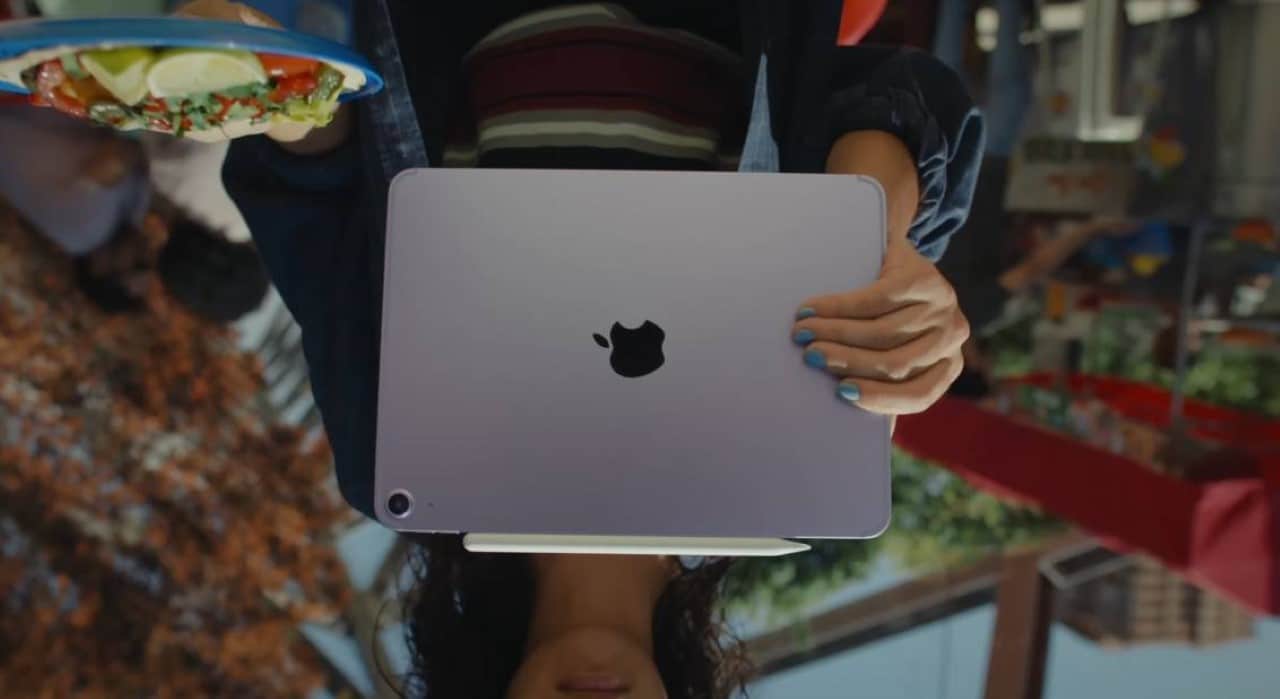
The iPad has been present in the technology market for more than a decade, consolidating itself as the main pillar of mobile computing on a global scale. Desde Launched by Steve Jobs in 2010, the device has evolved from a sophisticated extension of the iPhone to a versatile tool capable of meeting increasingly complex demands. Esse development was not accidental, but the result of a continuous cycle of innovation aligned to the varied needs of modern consumers.
Ultra-thin Design and performance at a new level
The physical evolution of the iPad represents one of the fundamental points to understand its longevity on the market. The first models prioritized extreme portability, a feature that was consolidated in lines such as the iPad Air. Apple engineers were able to significantly reduce the thickness of the metal chassis without compromising structural rigidity. Esse advancement allowed users to have access to computing power equivalent to that of many desktops, while maintaining a weight of less than 500 grams.
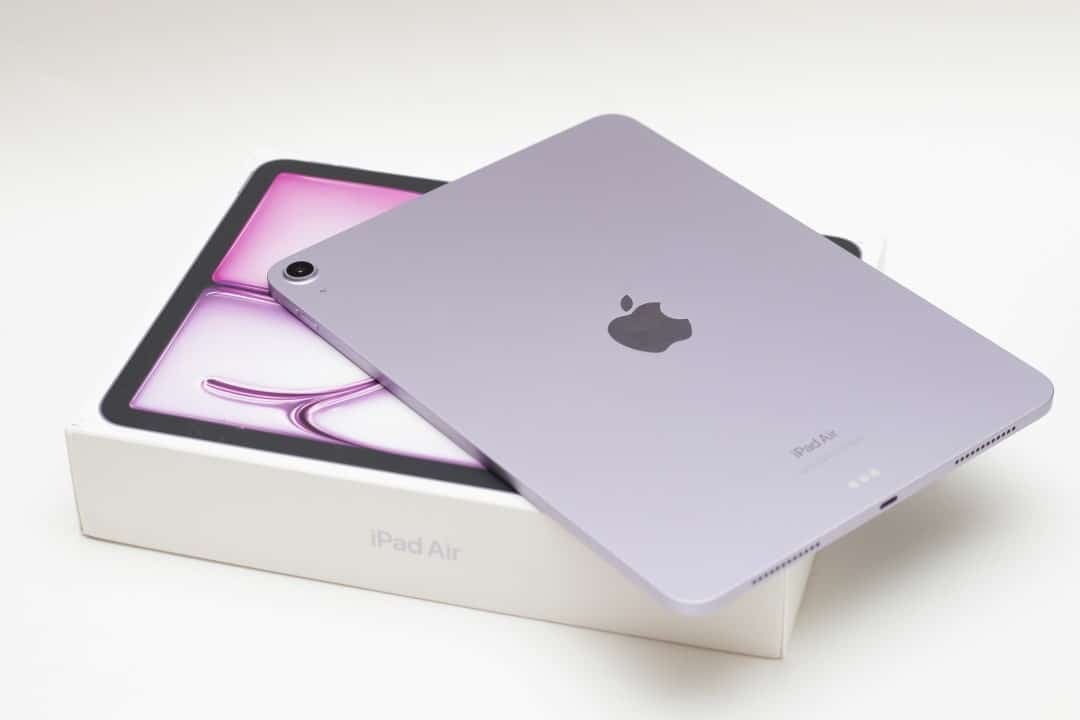
The arrival of M series chips, the same processors used in Mac computers, brought a qualitative leap in performance. The tablet now performs 4K video editing, three-dimensional object rendering, and heavy-duty tasks that were previously exclusive to larger machines. Commercial success was directly linked to this ability to offer professional performance in a portable format.
Apple Pencil revolutionizes digital creativity
One of the biggest milestones in the product’s history was the launch of the Apple Pencil. Esse accessory turned the touchscreen into a drawing surface with virtually no noticeable latency. Nib precision and pressure sensitivity have opened doors for illustrators, architects and creative professionals who previously relied on traditional graphics tablets. Integration between hardware and software has allowed applications like Procreate and Adobe Photoshop to optimize specifically for pen use.
- Precisão millimeter through tilt sensors, allowing natural shading even in sophisticated designs.
- Compatibilidade with an ecosystem of professional applications, transforming the iPad into a legitimate work tool.
- Aplicabilidade educational, enabling students to convert handwritten notes to digital text instantly.
- Wireless Carregamento, with recent versions magnetically attached to the side of the tablet.
iPad Pro as a definitive notebook replacement
The launch of the Pro line sent a clear message to the market: the iPad could function as a genuine personal computer for the majority of users. ProMotion technology, with a refresh rate of 120 Hz, increased the fluidity of the interface to levels never before seen on tablets. Official support for the Magic Keyboard, with integrated trackpad, completed the ergonomic transformation. The device has a floating surface above the keyboard and a USB-C port for connecting external peripherals.
Essa hardware change accompanied expansion of storage options, reaching capacities in terabytes. Profissionais as photographers, video editors and designers found the iPad Pro a viable alternative to traditional notebooks. Integrated 5G connectivity ensured productivity even in locations without robust Wi-Fi networks, a strategy that consolidated the tablet as a field tool for professional teams.
iPadOS: independent and robust operating system
Durante years ago, the iPad shared the same operating system as the iPhone, limiting the use of the larger screen. The launch of iPadOS marked a crucial inflection point. The new system brought advanced features such as Stage Manager and Split View, allowing sophisticated multitasking. Usuários started to open multiple applications simultaneously, working in a layout similar to traditional desktops.
File management has been completely redesigned, enabling the use of external storage and local servers. The Safari browser started displaying desktop versions of websites, eliminating restrictions that previously prevented professional browsing. Essas software updates ensured that Apple maintained a unique identity for the iPad, clearly differentiating it from the iPhone and reinforcing its position as a self-sufficient device in the brand’s ecosystem.