
League of Legends strengthens memory and attention for up to ten weeks, says Chinese study


Pesquisadores of Universidade of Ciência and Tecnologia Eletrônica of China demonstrated that playing League of Legends produces measurable gains in attention, memory and brain processing. The study’s difference lies in the durability of the effects: ten weeks after the end of the experiment, cognitive improvements remained detectable in the participants. Data was collected over 30 weeks from 68 young adults with little prior gaming experience.
Metodologia from the experiment and comparison between games
The study divided participants into two groups with identical frequency and duration. One group played League of Legends one hour a day, five days a week. The other group played Legends of the Three Kingdoms, a strategic card game, under the same conditions. The researchers assessed spatial attention, working memory and executive function at different points during the research.
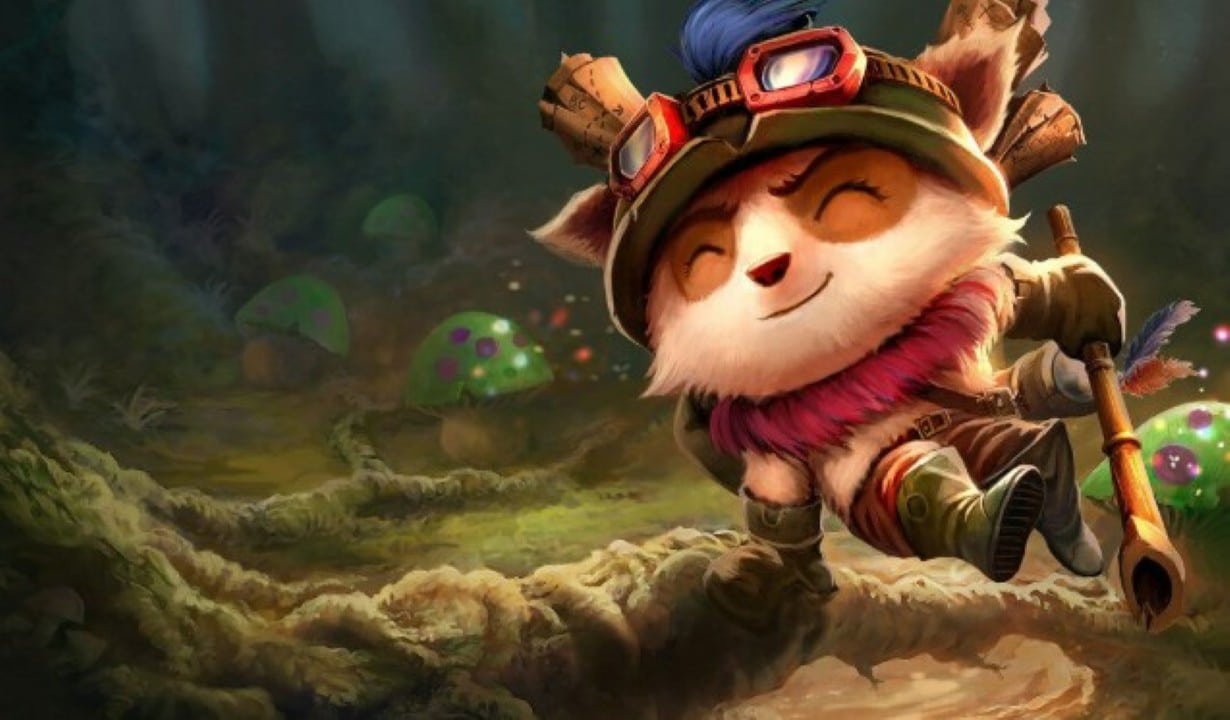
Ambos groups showed improvements on cognitive tasks during follow-up. Porém, the League of Legends group made significantly greater gains in spatial attention and spatial working memory. Analysis of brain activity at rest revealed more pronounced changes in the brain wave patterns of strategic action players, indicating greater efficiency in the brain’s processing of information.
Resultados cognitive and neural changes
- Space Atenção showed greater gains in the League of Legends group compared to the strategic card group.
- Memória’s work showed more significant and lasting improvement among action gamers.
- Executive Função improved in both groups, but with an advantage for League of Legends.
- Padrões of brain waves recorded more striking changes detected by electroencephalogram.
- Cognitive Efeitos remained visible ten weeks after the end of the experiment.
Persistência of gains beyond the training period
The most relevant aspect of the research was the durability of the results. Quando tested again ten weeks after finishing the experiment, participants maintained improvements in attention and memory. Standard Esse differentiates League of Legends from many traditional cognitive interventions, the effects of which diminish rapidly after termination.
The authors argue that this persistence is related to the strategic challenges and continuous motor demand that the game imposes. League of Legends requires rapid processing of visual information, real-time tactical planning, and decision-making under pressure. Essas activities consolidate neuroplastic changes more robustly than static or repetitive tasks.
Limitações of the study and scientific context
The findings require contextualization within their limitations. The study involved only young, healthy college students, a population not representative of all ages and health conditions. The researchers also did not fully control for external factors such as individual motivation, academic load, or gaming outside of the experiment. Essa lack of control may have influenced the results in an unpredictable way.
The findings do not prove that playing League of Legends will automatically make everyone smarter. The effects appear measurable and consistent in the tested group, but the full biological mechanism still requires further investigation. Diferentes player profiles can respond differently to the same stimuli, and genetic factors can influence the magnitude of cognitive improvements.
Implicações for future cognitive research
The findings are part of a larger context of research on how leisure activities impact brain health. Videogames, often criticized for negative effects, emerges here as a potential cognitive training tool. Riot Games, developer of League of Legends, did not specifically fund this study, increasing the credibility of the results obtained.
The mechanism proposed by the authors involves brain plasticity, the brain’s ability to reorganize neural connections in response to stimuli. League of Legends, due to its competitive and dynamic nature, offers a constant challenge that forces this type of reorganization. Future Pesquisas will need to examine whether these benefits transfer to non-game cognitive tasks and whether different game genres produce similar patterns of brain improvement.





