Studies identify five daily habits that reduce abdominal fat
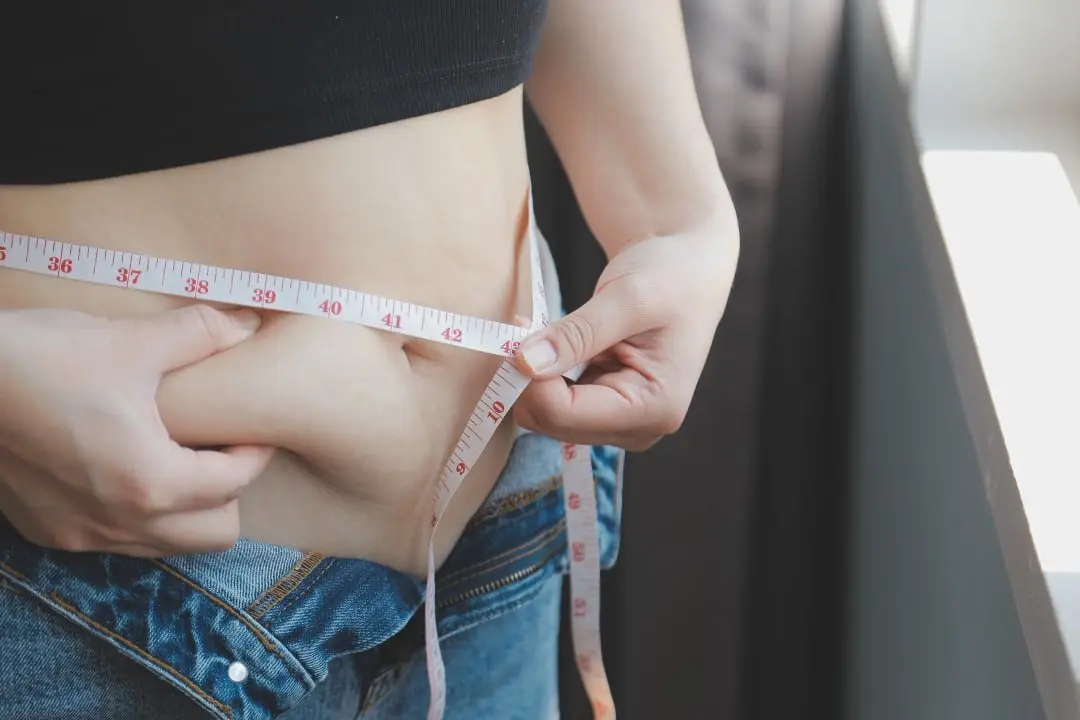
Pesquisas scientific studies point out that reducing abdominal fat fundamentally depends on consistent changes in the daily routine. The combination of a balanced diet and regular physical activity emerges as a proven strategy for reducing centimeters around the waist and improving health markers. Especialistas highlight that these habits work best when implemented together, creating a long-term sustainable lifestyle.
Soluble Fibras increases satiety and reduces visceral fat
The consumption of soluble fiber appears to be one of the most effective mechanisms for combating abdominal fat. Estes nutrients, found in whole grains, fruits, vegetables and legumes, increase the feeling of satiety and change the nutrient absorption pattern in the intestine. Estudos scientists document that people who increase their intake of soluble fibers experience a significant reduction in intra-abdominal fat, the fat accumulated around the internal organs.
Visceral fat, unlike subcutaneous fat, is directly associated with chronic inflammation and increases the risk of cardiovascular disease and type 2 diabetes. Pesquisadores note that fiber functions as a metabolic regulatory agent, stimulating beneficial gut bacteria and improving insulin sensitivity. The mechanism occurs because soluble fibers form a gel in the digestive tract, delaying gastric emptying and keeping the body satiated for longer. Mulheres and men who adopt this strategy report less cravings for high-calorie foods in the following hours.
Alimentos rich in soluble fiber include oats, apples, pears, broccoli, beans, lentils and flax seeds. A recommended daily portion is between 25 and 30 grams. Nutrition Profissionais advise the gradual inclusion of these sources in the diet to avoid digestive discomfort. The transition should take place over two weeks, with a progressive increase in each food.
Redução of alcohol has a direct impact on abdominal circumference
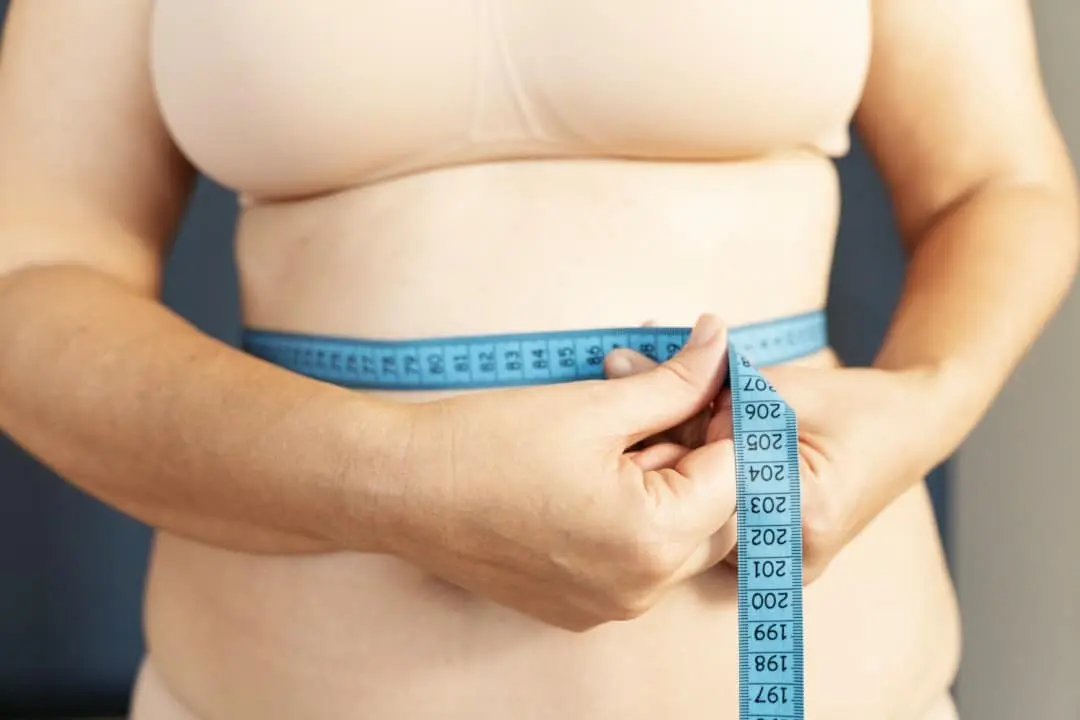
Bebidas alcoholic beverages demonstrate a proven relationship with increased abdominal fat, especially when consumed in excess. A scientific analysis that followed 2,343 participants revealed a significant correlation between high alcohol consumption and greater waist circumference. The observed pattern intensifies in individuals who consume more than four servings per day. Pesquisadores attribute this phenomenon to two main factors.
Firstly, alcoholic beverages provide empty calories, with no added nutritional value, which are easily converted into abdominal fat deposits. A can of beer contains approximately 150 calories, while a glass of red wine offers approximately 120 calories. Over the course of a week, this intake quickly accumulates into excess calories. Secondly, alcohol impairs the proper metabolism of other nutrients and reduces the liver’s ability to regulate lipogenesis, the process of fat synthesis in the body.
The liver, when processing alcohol, prioritizes this task to the detriment of other important metabolic functions. Consequentemente, fats circulating in the blood are not adequately mobilized, accumulating preferentially in the abdominal region. Estudos show that even “soft drinks” alcohol causes this effect when consumed regularly. Profissionais Health recommend limiting consumption to one or two servings per day for women and up to three for men, following the moderation criteria established by international health organizations.
Atividade regular physical mobilizes intra-abdominal fat
Regular physical exercise is a fundamental pillar for reducing abdominal fat, acting through multiple physiological mechanisms simultaneously. Pesquisas demonstrate that both aerobic and resistance exercises contribute to the mobilization of this fat, with the combination of both producing even more pronounced results. A study carried out with 1,500 volunteers showed that people who practice moderate physical activity five days a week reduce their waist circumference by up to 5% over three months.
Aerobic exercise, such as brisk walking, running or cycling, stimulates the body to burn calories during and after activity, a phenomenon known as the post-exercise effect. Durante 30 to 60 minutes of continuous exercise, the body uses stored fat as a source of energy, always initially prioritizing visceral fat when there is an associated calorie deficit. Resistance training, with weights or bodyweight exercises, builds muscle mass, which increases basal metabolism and promotes calorie burning even at rest. Músculos are metabolically active tissues that consume more calories than fat, even when the body is at rest.
Especialistas recommend a combination of 150 minutes a week of moderate aerobic exercise and two weekly resistance training sessions. Esse protocol has demonstrated consistent results in studies of up to 12 months of follow-up. Ainda most importantly: regular physical activity improves insulin sensitivity, reduces systemic inflammation and normalizes blood pressure, generating benefits that go beyond simply reducing measurements.
Leia Também

Messi reaches 19 goals in FIFA World Cups with great free kick for Argentina in clash with Jordan

Cristiano Ronaldo shines beyond the pitch at the 2026 World Cup with business empire and family luxury

At 41, Cristiano Ronaldo reaffirms his historic legacy and prepares to shine in the 2026 World Cup
Qualidade of sleep interferes with abdominal fat accumulation
Sleep deprivation emerges as an often overlooked but scientifically proven factor in the accumulation of abdominal fat. Pesquisas conducted in sleep laboratories reveal that sleeping less than seven hours a night is associated with weight gain, particularly in the abdominal region. A study published in a specialized journal followed 600 adults for two years and found that individuals who slept less than five hours a night gained, on average, 2.4 kilograms more body weight than those who slept seven or eight hours.
The biological mechanism involves changes in two crucial hormones: cortisol and ghrelin. Quando sleep is insufficient, levels of cortisol, a stress hormone, remain high, signaling to the body that it must store energy, particularly in the form of abdominal fat. Simultaneamente, sleep deprivation increases ghrelin, known as the “hunger hormone”, leading to excessive caloric intake, often with a preference for sugary and fatty foods. Essa combination creates a perfect physiological environment for weight gain centered on the abdominal region.
Recomendações Scientific studies recommend sleeping between seven and nine hours a night, in a dark, silent and cool environment, to optimize sleep quality. Manter consistent sleep schedule, avoiding variations of more than an hour between weekends and weekdays, also contributes to regulating hormones involved in energy metabolism.
Adequate Hidratação accelerates metabolism and reduces caloric intake
Beber drinking enough water is a simple yet scientifically validated habit to help reduce abdominal fat. Estudos demonstrate that increasing drinking water intake before meals reduces the total volume of food consumed, contributing to the calorie deficit necessary for weight loss. An analysis published in a scientific nutrition journal found that individuals who drank two glasses of water before meals lost 44% more weight over 12 weeks compared to those who did not practice this habit.
Drinkable Água does not contain calories and increases the body’s energy expenditure during its metabolism, a phenomenon called water-induced thermogenesis. Além Furthermore, people often confuse thirst with hunger, consuming unnecessary calories when, in fact, they just need hydration. Substituir sugary drinks for water also significantly reduces daily caloric intake. A can of soda contains approximately 140 empty calories, which added up over weeks result in considerable weight gain, concentrated predominantly in the abdominal region.
The general recommendation is around two to three liters daily, adjusted according to physical activity and climate. Estudos suggest that drinking slightly cold water enhances the thermogenic effect, requiring greater energy expenditure to heat it to body temperature.
Integrated Abordagem demonstrates greater effectiveness
The simultaneous implementation of these five habits results in significantly greater effectiveness than the isolated adoption of any one of them. Pesquisadores, who evaluated integrative programs, observed that participants who maintained all five behaviors showed a reduction of up to 15% in waist circumference after six months. Esse result largely outperforms interventions focused on just one aspect.
Consistency and patience emerge as critical elements for success. Substantial body Modificações typically requires between three and six months to become apparent, depending on the individual starting point. Health Profissionais guides you to establish gradual and realistic goals, initially prioritizing the implementation of two habits until they are consolidated before incorporating new ones. Acompanhamento with a nutritionist or physical education professional significantly enhances the chances of success and long-term maintenance of the implemented changes.