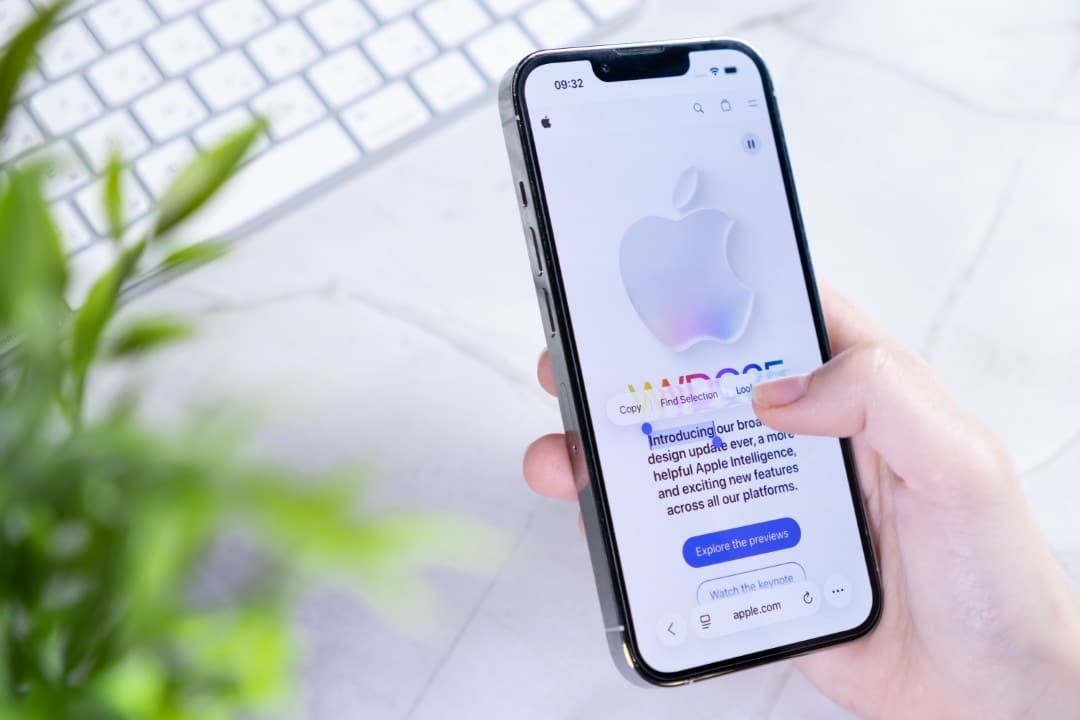
The mobile device industry is heading towards a structural transformation in screen design with the development of the so-called Liquid Glass Display. Apple works behind the scenes to implement this unprecedented technology in the iPhone 19 Pro, a device planned for calendar 2027. The launch will coincide with the twentieth anniversary of the company’s cell phone line. Rumores from the supply sector points to a drastic change in the way consumers interact with the front panel.
The strategic move seeks to distance the brand from the current solutions offered by the competition in the Android ecosystem. Informações released by expert Ice Universe indicates that the new component will utilize advanced principles of optical refraction to create a sense of continuous depth. The physical change promises to almost completely eliminate the visual perception of the side moldings. Fabricantes globals are closely watching the steps of the company based in Cupertino.
Apple may define its next generation display as “Liquid Glass Display.”
It is not a traditional quad curved display, nor is it anything like the curved screen solutions we have seen on Android phones over the years. The curvature itself could be extremely subtle. What truly… pic.twitter.com/onj81yNWQf— Ice Universe (@UniverseIce) April 27, 2026
The concept of visual immersion in the mobile device market
The quest for full front-end leverage has driven the technology sector over the last decade. Empresas invest billions in research to hide cameras, biometric sensors and speakers under the main glass. The North American manufacturer’s current project takes this ambition to a higher level through sophisticated visual effects. The custom panel not only stretches the display area, but changes the physical perception of the component. The glass plays an active role in projecting the image.
Estruturas internal light guides form the basis of this new hardware architecture in development. Esses microscopic elements direct photons to the ends of the device with mathematical precision. The practical result is a subtle curve that fools the human eye during everyday use. The ultra-thin edge disappears under refraction, delivering a screen that appears to float above the metal chassis. Optical engineering requires materials of the highest purity.
Engenharia optics and edge reduction in the new generation
Modelos competitors from the Samsung and Motorola brands have already explored the concept of rounded sides in their high-end devices in the past. The traditional approach, however, often results in color distortions or accidental touches at the edges of the interface. The informant responsible for the leak assures that the implementation under development overcomes these historical market limitations. The design focuses on a smooth and functional transition between the glass and the titanium structure.
The elimination of microcurved polarizers represents a leap forward in materials engineering applied to electronics. Relatos from the Asian supply chain confirm the change in the manufacturing process for state-of-the-art displays. Essa change allows the light emitted by the organic diodes to reach the surface with greater intensity and clarity. The energy efficiency of the system also presents substantial improvements with the new structural composition. Smaller Baterias will be able to deliver the same autonomy.
Especificações techniques leaked by industry experts
Detalhes additional information about the panel’s architecture emerged through publications from the Digital Chat Station profile on the Weibo social network. The analyst highlighted the symmetry of the design, which abandons the pattern of uneven edges common in previous generations of smartphones. The complexity of assembly requires high precision machinery in partner factories located at Ásia. Quality control will undergo rigorous reviews.
The set of innovations expected for the commemorative device encompasses different aspects of mobile display engineering. Key features leaked so far include:
- Sistema advanced optical refraction to maximize user visual immersion.
- Estruturas microscopic light guides positioned at the ends of the panel.
- Remoção complete assembly line traditional microcurved polarizers.
- Design symmetrical with four curved edges of ultra-thin thickness and smooth transition.
The combination of these factors creates a considerable obstacle for the mass production line. Screen suppliers will need to adapt their industrial facilities to handle the new liquid glass format. The use rate of parts in the initial testing phases is usually low in projects of this technological magnitude. The initial manufacturing cost reflects the complexity of the component.
Histórico of innovations and impact in the premium segment
The brand has a history of introducing technologies that end up dictating the pace of the global telephone market. The transition from LCD screens to the OLED standard, the adoption of the top notch for facial sensors and the implementation of variable refresh rate are examples of movements that reconfigured the industry. The Liquid Glass Display emerges as the next major competitive differentiator for the very high-cost segment. Consumidores demand tangible news.
The liquid glass concept has already been tested by the company in the software environment during the development of iOS 26. The operating system used physical simulations to create buttons and menus with a translucent and dynamic appearance on the screen. The current challenge is to transfer this visual identity from the programming code to tangible hardware. The synergy between the system and the physical screen has always been a pillar of development at the company.
Desafios Production and Industry Schedule
The deadline set for the year 2027 offers a development window for refining the technology. Especialistas point out that possible complications in durability tests could force changes to the original launch schedule. Resistance against falls and direct impacts is a constant concern when it comes to glass with a pronounced curvature on all four edges. Engineers work with new ceramic compounds to reinforce the external structure of the device.
Maintaining leadership in the luxury market directly depends on the ability to deliver noticeable innovations to the end consumer. The smartphone update cycle has become longer in recent years, requiring greater technological leaps to justify changing equipment. The commitment to a completely renewed visual experience reflects the North American manufacturer’s long-term strategy. Development continues at a fast pace in the research and design laboratories.