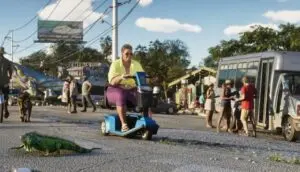
India offers rescue for 80 Escobar hippos threatened with euthanasia in Colombia
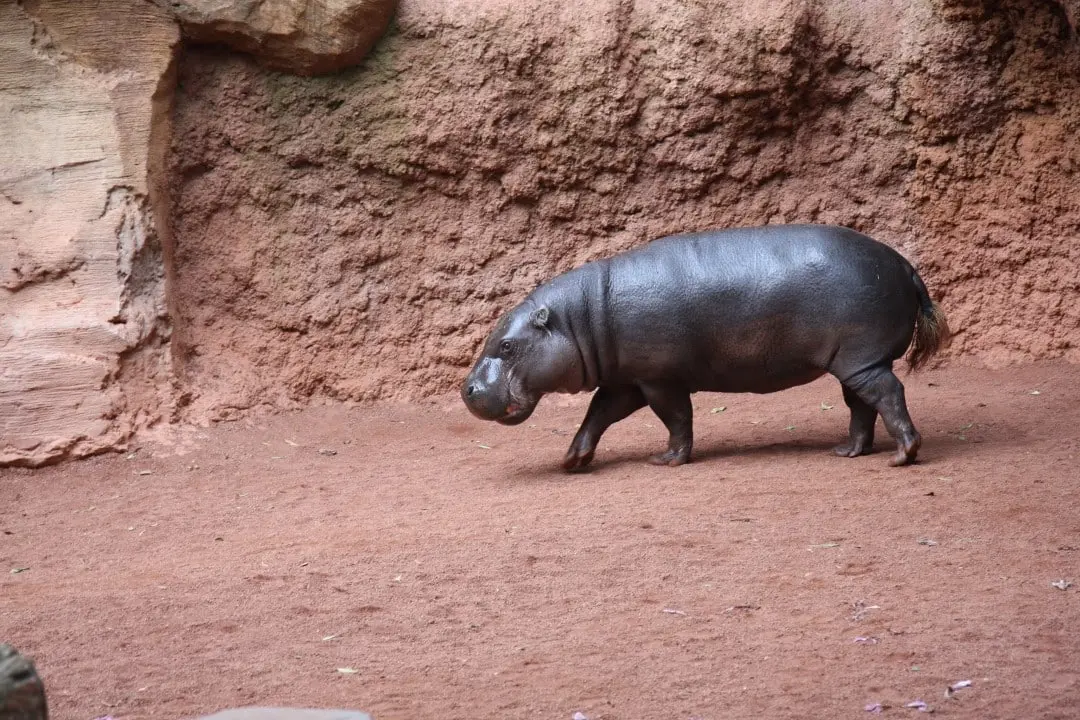
The son of one of Ásia’s richest men proposed a solution to the environmental dilemma faced by Colômbia: the overpopulation of hippos that originated from animals illegally imported by drug trafficker Pablo Escobar. Anant Ambani, heir to Indian billionaire Mukesh Ambani, has expressed willingness to house and care for around 80 of these animals in his private zoo at Índia, offering an alternative to the euthanasia planned by Colombian authorities.
The population of these mammals, which have no natural predators in Colômbia, has grown exponentially since the death of Escobar in 1993. The Colombian government has tested several control methods, including castration. Sem success, the recent decision to sacrifice part of the group generated an intense debate about the management of invasive species and environmental responsibility.
Colômbia faces “cocaine hippos” dilemma
The history of Colombian hippos dates back to the 1980s, when Pablo Escobar, the notorious Cartel boss of Medellín, illegally imported a number of exotic animals to his luxury farm, Hacienda Nápoles, located approximately 250 kilometers northwest of Bogotá. Entre these animals were a male and a female hippopotamus, which formed the basis of the current population. Após the death of Escobar in a confrontation with police in 1993, the property was abandoned and the animals were left to fend for themselves. The original pair of hippos, and their descendants, managed to escape the farm and settled in the Magdalena river basin, the main waterway of the Colômbia.
The fertility of the marshy region of Antioquia, combined with the absence of natural predators, provided an ideal environment for the proliferation of these African mammals. Each year, the population grew without control, transforming a few animals into a group that is currently considered the largest outside the African continent. Essa population explosion, although fascinating to some, quickly turned into a complex ecological and social problem for the country. Colombian authorities have spent years searching for an effective strategy to manage this invasive species, which has begun to severely impact the local ecosystem and the safety of riverside communities.
Superpopulação and environmental impacts worry authorities
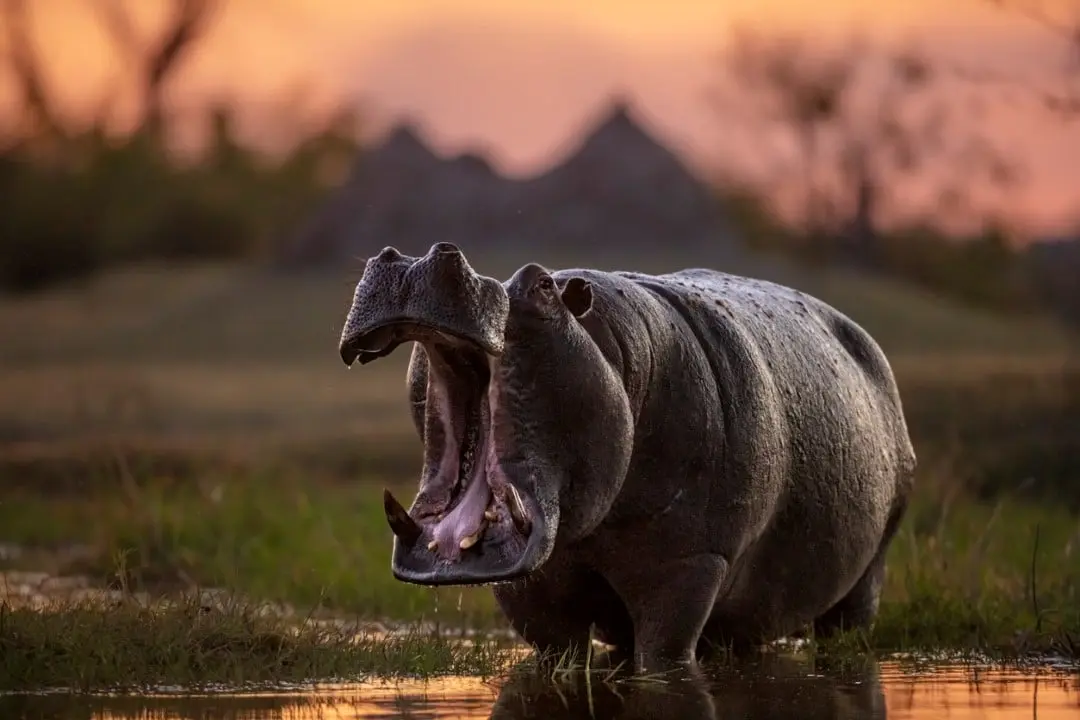
Hippos, large animals that can reach three tons as adults, represent a significant threat to the native biodiversity of Colômbia. Eles compete for resources with local fauna, alter the composition of water bodies and impact riverine flora. Cientistas and Colombian environmentalists warn that the presence of these mammals unbalances the ecosystem, especially by introducing large amounts of nutrients through their waste into the water, which can affect water quality and aquatic life.
Além’s environmental impact, hippos have also become a public health and safety issue. Comunidades fishing grounds along the Magdalena river have reported attacks by hippos, which are territorial and aggressive animals, especially when they feel threatened or during the mating period. The proximity of these animals to populated areas has led to incidents that put the lives of residents at risk. Diante In this complex scenario, the Colômbia government has tried several approaches to contain population growth, including spaying and neutering programs, but without the expected success for such a rapidly expanding population.
- Principais challenges faced by Colombian authorities:
* Crescimento uncontrolled population:Ausência natural predators and fertile environment favor reproduction.
* Eco-friendly Danos:Alteração of aquatic ecosystems, competition with native fauna and impact on water quality.
* Riscos to human security:Ataques to fishermen and residents close to rivers and lakes.
* Ineficácia control methods:Castração and sterilization proved insufficient to contain overpopulation.
* Dificuldade management:The large size and aggressiveness of the animals make capture and transport difficult.
Leia Também

The absence of Neymar’s wedding ring in a New York club stirs social media during the Brazilian team’s break

Parachuting plane crash leaves eleven dead in northeastern France this Sunday

Financial analysis indicates that GTA 6 generated US$1 billion in the first hour of pre-sales
Indian Bilionário proposes rescue in his private zoo
Anant Ambani, son of Mukesh Ambani, the richest man in Ásia and president of Reliance Industries, surprised Colombian authorities with his proposal for assistance. Anant Ambani is the director of an animal conservation initiative linked to Reliance, the Vantara (Estrela of Floresta) center in the Indian state of Gujarat. Este private zoo, which spans more than 1,400 hectares, is home to approximately 2,000 species of animals, including elephants, tigers and other exotic creatures, many of which have been rescued from situations of abuse or trafficking.
In a formal letter sent to Meio Ambiente’s minister from Colômbia, the executive director of Ambani’s zoo expressed interest in “welcoming and caring” for the animals, ensuring “lifelong care” at Índia. The communication, released on Vantara’s Instagram account, highlighted the center’s philosophy: “At the heart of this proposal is Vantara’s belief that every life matters and that we have a shared responsibility to protect life whenever possible.” The offer comes at a crucial time for Colômbia, which is seeking a sustainable solution to the hippo crisis, and introduces a new dimension to the debate over the fate of these animals.
Desafios logistics and costs of a possible transfer
The transfer of 80 hippos, large and potentially dangerous animals, from the South American continent to Índia is a logistical undertaking of immense proportions. Envolve complex challenges that range from the safe capture of animals, often in aquatic and wild environments, to air transport on specialized cargo planes, through international bureaucracy and the health requirements of both countries. Cada stage of the process would require detailed planning, coordination between several teams and a considerable financial investment, which would include costs for anesthesia, adapted containers, veterinary transport and acclimatization in the new environment.
Especialistas in wildlife management point out that the stress of travel and the need to adapt to a new climate and ecosystem are critical factors to be considered. The hot and dry climate of Gujarat, where the Vantara zoo is located, raises concerns among activists and conservationists about the suitability of the environment for hippos, which are semi-aquatic animals and prefer areas with plenty of water. Além Furthermore, Ambani’s zoo track record, which has already received criticism for a variety of reasons, including the suitability of its climate for certain species, adds a layer of complexity to evaluating the offering. The logistics of moving so many animals requires not only resources, but also expertise and a rigorous commitment to animal welfare throughout the process.
Debate ethical and environmental about the future of animals
Anant Ambani’s proposal reignites a multifaceted debate about how best to deal with large invasive species and the ethical implications of each approach. On the one hand, euthanasia, although painful for many, is advocated by scientists as a necessary measure to protect native ecosystems and prevent further environmental damage and risks to human health. Argumenta It is clear that the human intervention that led to the introduction of hippos now requires a humane solution, however drastic, to correct the imbalance.
On the other hand, the idea of transferring animals to a sanctuary or zoo is seen as a more compassionate alternative by animal rights advocates and members of the public. Contudo, this option raises questions about long-term viability, exorbitant cost, and potential stress to animals. The lack of an official comment from Colômbia’s government on Ambani’s offer suggests that the final decision will be complex and will likely involve careful weighing of ecological, ethical, economic and political factors. The case of Escobar’s hippos has become a global symbol of the intricate challenge of managing the unintended consequences of human interference in nature.