

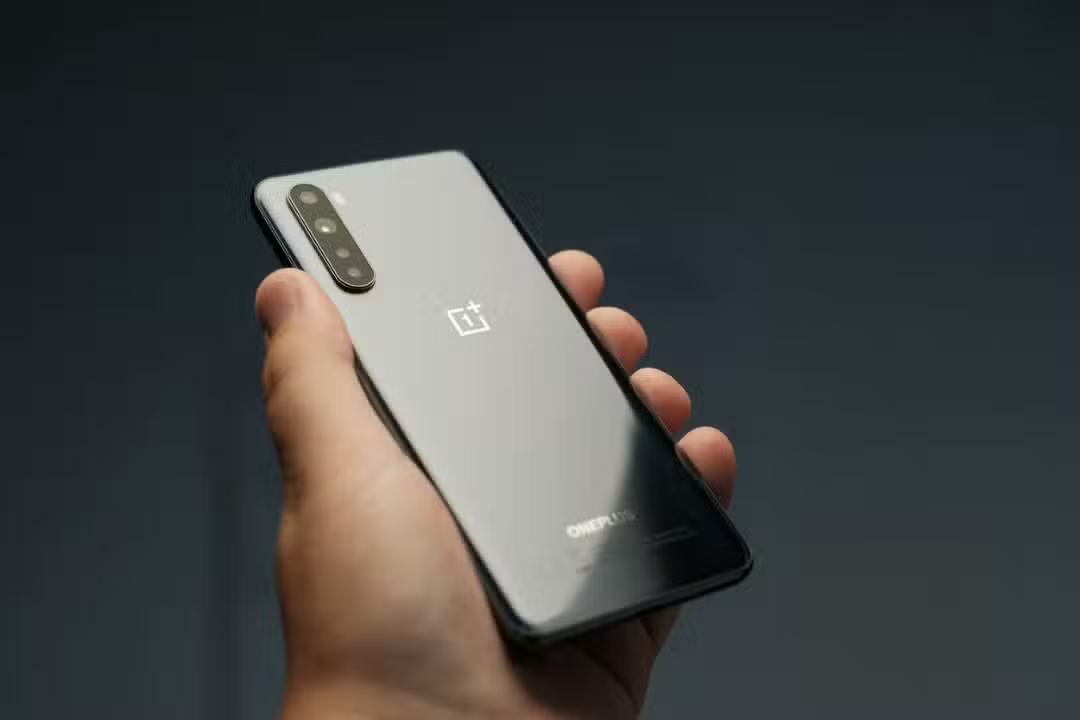
Mobile device manufacturer OnePlus has defined the unification of its operational structures with Realme. The corporate integration process encompasses research, development and supply chain departments on a global scale. The two companies belong to the same technological conglomerate and share investors. The measure seeks to optimize financial resources and accelerate the launch cycle of new devices. The current market demands quick responses from companies.
The strategic decision takes place at a time of high competitiveness in the mobile phone sector. Brands face strong pressure from established giants such as Samsung, Apple and Xiaomi. The merger of internal operations does not mean the end of individual visual identities. Cada manufacturer will continue to market products with its own logos and design philosophies. Analistas from the sector assess that the reduction of fixed costs represents the main driver of this comprehensive administrative restructuring.
Supply Chain and Engineering Reorganização
The new enterprise architecture consolidates engineering teams under a unified command. Executivos from the two divisions formed a specific working group to establish new joint action protocols. The sharing of proprietary technologies gains absolute priority in this first moment of transition. Financial management will also undergo strict centralization. Isso allows more advantageous negotiations when purchasing electronic components on a large scale from Asian suppliers.
Research and development centers spread across the world will undergo profound logistical adjustments. Polos technology located in strategic cities such as Pequim, Bangalore and São Paulo will receive new daily operating guidelines. Employees in these units will face a gradual process of reallocating roles and projects. The companies’ management ruled out mass layoffs during the transition period. The complete realignment of work teams must be completed before the end of the current fiscal year.
Divisão of segments and commercial focus
Strategic planning establishes clear limits of action to avoid cannibalization of sales between sister brands. OnePlus will maintain exclusive responsibility for the development of devices aimed at the premium segment. The company will focus its marketing efforts on Europa, América of Norte and specific parts of Ásia. The central objective involves recovering prestige among consumers with high purchasing power who seek innovation. Building a solid image requires consistent investment in advertising.
Realme will take the lead in the entry and intermediate segments of the global smartphone market. The manufacturer will direct its heavy investments towards Índia, Sudeste Asiático and other expanding emerging economies. Sales volume represents the fundamental metric for the financial success of this specific division. The aggressive pricing strategy will continue to guide the brand’s launches in these populated territories. The two companies compete daily with direct rivals such as Motorola and Poco on virtual shelves.
Mudanças practices for user experience
The unification of the operational backstage generates direct consequences for the end consumer who purchases the devices. Sharing source codes and software repositories makes the daily work of programmers easier. Operating system updates tend to arrive more quickly on devices already sold. The reduction in production costs also opens up room for cheaper products in stores. The market is closely watching the developments of this new corporate phase:
- OnePlus will prioritize sophisticated design with 120Hz screens and cutting-edge processors.
- The Realme will maintain a focus on high-capacity batteries and versatile camera arrays for everyday use.
- Software engineers will use a unified driver base to optimize system performance.
- Expenses on technological innovation will be divided equally between the cash registers of the two companies.
- The physical distribution network and partnerships with telephone operators remain unchanged at the moment.
The development of tools based on artificial intelligence gains momentum with the pooling of research budgets. The next generations of devices must incorporate advanced image processing directly into the main hardware. The suggested values for phones currently in circulation will not be subject to immediate adjustments in store windows. Unified technical support promises to resolve chronic failures highlighted by customers in the last few months of independent operation.
Recent Histórico and investor pressure
OnePlus’ commercial performance has seen significant fluctuations over the last two fiscal years. The manufacturer lost valuable ground in the coveted elite phone category. Consumers have harshly criticized the inclusion of unwanted applications and operating system instability in recent models. Irregular after-sales support also damaged the brand’s image on specialized technology forums. Algumas regions of the Asian continent recorded revenue drops of more than thirty percent in the biennial comparison.
Realme’s recent trajectory shows a different, but equally challenging, scenario for the group’s executives. The brand has experienced explosive growth in developing countries over the past decade. The attempt to penetrate mature markets came up against sector saturation and customer loyalty to traditional brands. The excessive launch of models with almost identical specifications confused the target audience in stores. Essa tactic diluted profit margins and required an urgent review of the portfolio of products offered.
Perspectivas for the release calendar
The official integrated announcement schedule will be released throughout the next financial quarter. The engineering laboratories are already preparing the main models that will arrive in stores in the second half of the year. The expectation revolves around the implementation of chips dedicated exclusively to processing complex neural networks. The technical specifications of the devices in the final testing phase remain under strict industrial secrecy. The industry awaits the news with great anticipation.
The financial market received the announcement of the restructuring with moderate optimism on the stock exchanges. Especialistas in technology recognize the vital need to streamline the administrative machinery to ensure long-term survival. The main doubt lies in the ability of brands to regain the relevance lost to relentless competition. The history of the mobile industry severely punishes prolonged strategic positioning errors. Traditional Empresass have abandoned cellphone manufacturing after failing to make similar structural adaptations in the recent past.