Sony’s strategy in Japan unifies PlayStation 5 sales into a single model with disc player
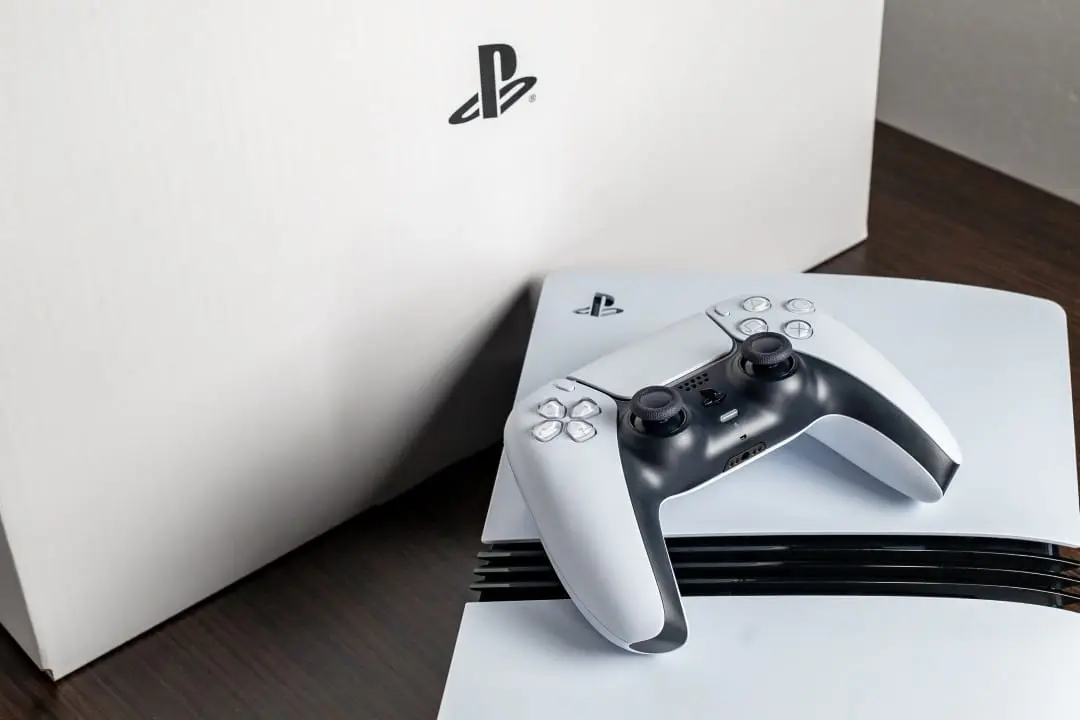
Sony Interactive Entertainment profoundly changed the distribution of the PlayStation 5 in the Japanese market. The company decided to unify the console’s offering into a single model equipped with a standard disc player. The change ends the separate sale of the strictly digital edition and the traditional physical version. The manufacturer’s main objective involves simplifying the supply chain and inventory in physical stores. Consumidores Asians now find only one definitive option on the shelves.
The strategic move eliminates the need to manufacture and distribute the separate disc player in the country. Previous production required split assembly lines to serve both consumer formats. Varejistas locations were pushing for a more efficient solution for cash management in warehouses. The new approach reduces transport costs, optimizes commercial space and facilitates direct communication with the gaming public.
Digital Edition Fim and Price Restructuring
The unified package arrives at Japanese retailers with a suggested price of 66,980 yen. The value reflects the definitive inclusion of the Ultra HD Blu-ray reader in the device’s main chassis. The decision changes the plans of part of the public who planned to purchase the cheaper version without a reader to purchase the optical component in the future. The single accessory had its production and distribution stopped at Japão. The measure directly affects the players’ financial planning.
The scarcity of the separate reader already generated frequent complaints among users. Muitas people bought the digital edition and then faced enormous difficulties finding the optical drive in stores. The lack of the component created a bottleneck in the platform’s ecosystem. Unification solves the availability problem by ensuring that every new buyer has immediate access to physical media. Ninguém will need to hunt for additional parts on the internet.
The business model focused on pure downloads loses space in the manufacturer’s local strategy. The company realized that the hardware division confused new consumers and made internal logistics unnecessary. Removing the digital option drastically simplifies the brand’s catalog. The total focus is on the complete machine, ready for any type of media.
Impacto direct into Asian logistics and retail
Japão electronics stores welcome the change with great enthusiasm. Physical space in large cities is extremely limited and has a high maintenance cost. Manter boxes of different sizes and loose accessories required complex planning from inventory managers. Standardization makes daily storage easier. Prateleiras gets an important breather.
Portfolio simplification brings clear operational advantages for distributors and retailers:
- Redução drastic in the number of product tracking codes in warehouses.
- Otimização of space on shelves and in logistics transport trucks.
- Fim from the frustration of the customer who looked for the individual reader and found empty shelves.
The purchasing process becomes faster and more direct for the end consumer. The seller no longer needs to explain the technical differences between versions or check the availability of complementary parts in the system. The single box delivers the complete system experience without any doubt. Efficiency at the point of sale increases considerably with the elimination of commercial variables.
Leia Também

Striker Estêvão details the emotional impact of a serious injury that made his trip to the World Cup unfeasible

YouTuber Jesse Ridgway and wife terminate pregnancy after Down syndrome diagnosis and suffer threats

The Duke and Duchess of Sussex release new records to celebrate daughter Lilibet’s fifth birthday
Força of the physical media and used games market
Japão maintains a strong and resilient culture of physical media consumption. The used games market moves significant amounts in traditional stores spread across Tóquio, Osaka and other metropolises. The disc player allows players to buy, sell and exchange titles with extreme ease. The exclusion of the optical drive limited user participation in this highly profitable circular economy.
Filmes on DVD and Blu-ray also remain popular in Japanese homes. The console serves as a robust home entertainment center for many families. The ability to play video discs in very high resolution adds value to the product and justifies the customer’s initial investment. The purely digital version alienated the public interested in these classic multimedia functions.
The preservation of the physical format guarantees compatibility with the vast PlayStation 4 library. Milhares of players have old collections on disc and require backwards compatibility on the new system to avoid losing their investments. Unified hardware meets this demand without requiring additional purchases or adaptations. The transition between generations occurs smoothly and respects the client’s historical heritage.
Superação of the semiconductor crisis in the industry
The current ability to unify production results from the end of the global chip crisis. The first years of the console’s life suffered from a severe lack of electronic components on the international market. The manufacturer needed to split the assembly line to maximize the use of available parts and maintain the sales flow. The stabilization of the supply chain changed the production scenario.
Factories now operate at maximum capacity and improved efficiency. The device’s internal architecture underwent profound revisions that reduced the size of the motherboard and improved the system’s heat dissipation. The cleaner design makes it easier to integrate the disc player into all drives manufactured without compromising temperature. Production engineering has reached an ideal level of maturity for the market.
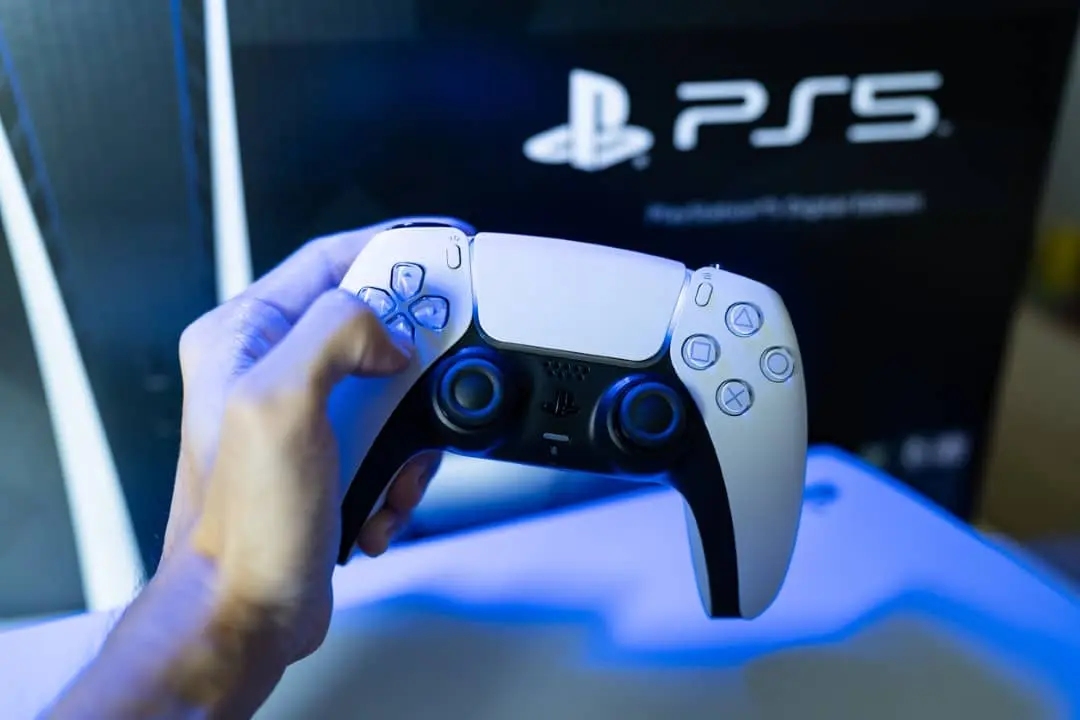
The hardware maintains the rigorous technical specifications required by large developer studios. The AMD Zen 2 processor and graphics card based on the RDNA 2 architecture continue to deliver high visual performance. The 1TB SSD internal storage guarantees almost zero loading times during matches. Graphics quality reaches 4K resolution with refresh rates of up to 120 frames per second on compatible displays. The DualSense controller preserves the adaptive triggers and advanced haptic feedback that define immersion in today’s generation of video games.