Study links fish oil supplement to slower brain recovery
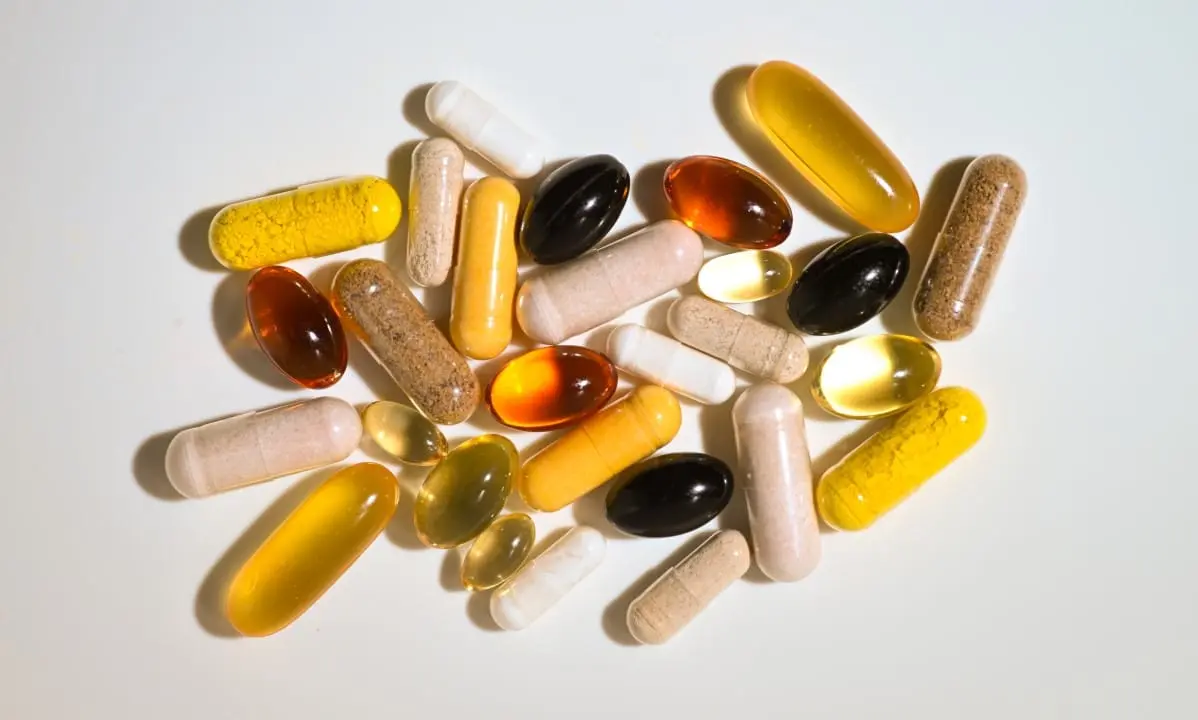
Pesquisadores identified a concerning link between the use of fish oil supplements and slowed recovery from brain injuries in certain patients. The discovery, released in a recent study, challenges the common perception that these supplements invariably benefit neurological health. The work analyzed data from hundreds of participants and found evidence that ingesting the compound can interfere with the brain’s natural repair mechanisms, particularly after trauma or inflammation. The research raises questions about the indiscriminate use of these products and reinforces the need for medical advice before consumption.
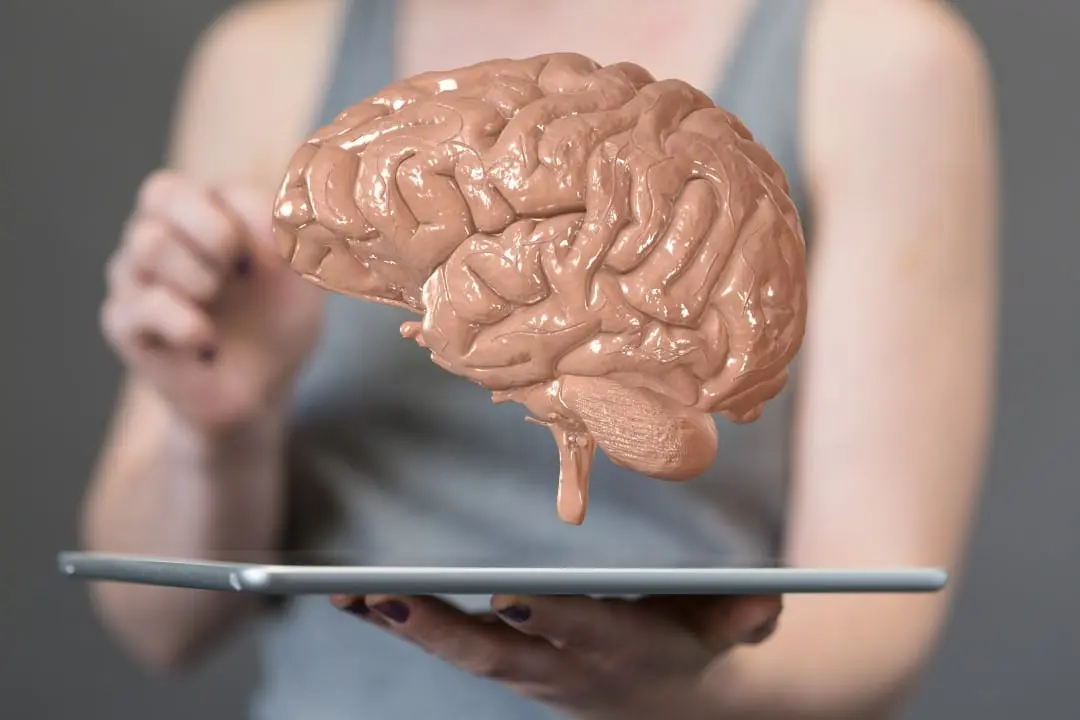
Achados main study
The investigation focused on patients who suffered mild to moderate brain injuries and followed their neurological recovery over months. Indivíduos who regularly consumed fish oil supplements showed slower progress on cognitive tests compared to the control group. The researchers observed that omega-3, the main active component of these supplements, can modulate inflammatory processes in a way that was not expected in certain neurological contexts.
The mechanism appears to be related to how the body manages inflammation after an injury. Enquanto Acute inflammation is harmful, a controlled inflammatory response is essential to activate glial cells and initiate repair. Fish oil, by over-suppressing this response, may inadvertently delay neuroplasticity and functional recovery.
Quem may be affected
- Pacientes with recent history of stroke
- Pessoas with traumatic brain injury
- Aqueles diagnosed with brain inflammation
- Indivíduos recovering from neurological surgery
- Pacientes with early-stage neurodegeneration
Pessoas with other health conditions, particularly those on anticoagulant medication, already faced recommendations for caution when using these supplements. Este new study expands concerns to a broader spectrum of neurological patients.
Contexto broader on supplementation
Fish oil supplements have become popular over the past two decades, marketed as solutions for cardiovascular, cognitive, and general inflammatory health. Milhões of people around the world consume them daily, often without medical supervision. The supplement industry is worth billions of dollars annually, and many products carry benefit claims that have not been rigorously validated in all populations.
Previous Estudos have produced mixed results on the effectiveness of omega-3s in different health contexts. Enquanto Some research showed benefits for cognitive functioning in healthy elderly people, others found no significant differences. The current investigation adds a critical layer: in certain situations, these supplements can be harmful.
Leia Também

Messi reaches 19 goals in FIFA World Cups with great free kick for Argentina in clash with Jordan

Cristiano Ronaldo shines beyond the pitch at the 2026 World Cup with business empire and family luxury

At 41, Cristiano Ronaldo reaffirms his historic legacy and prepares to shine in the 2026 World Cup
Implicações for patients and professionals
Neurologistas and primary care physicians now face the decision to revise their guidance on supplementation for patients recovering from brain injuries. The research does not recommend that people stop use abruptly, but suggests that any decision about these products should involve careful individual evaluation with a qualified professional.
Para patients already using fish oil supplements, especially those undergoing neurological rehabilitation, a frank conversation with the doctor is essential. Descontinuar without guidance can bring its own risks, but continuing without knowledge of these new findings is also problematic. The ideal approach likely involves continuous monitoring and personalized adjustments.
Próximos steps in research
The scientific community plans to further investigate the mechanisms behind this association. Further Estudos should explore whether different forms of fish oil (concentrated versus natural, different proportions of EPA and DHA) produce the same effects. Pesquisadores also aims to examine genetic variations that may explain why some patients are more susceptible to this adverse effect than others.
The discovery also opens up space to question other supplements with anti-inflammatory properties and their specific role in neurological recovery processes. Curcumina, resveratrol and other natural compounds could face similar scrutiny in the coming months as more labs revisit their data.