Galaxy Z Fold 8 Wide prototypes reveal wider, thinner shape to compete with rivals
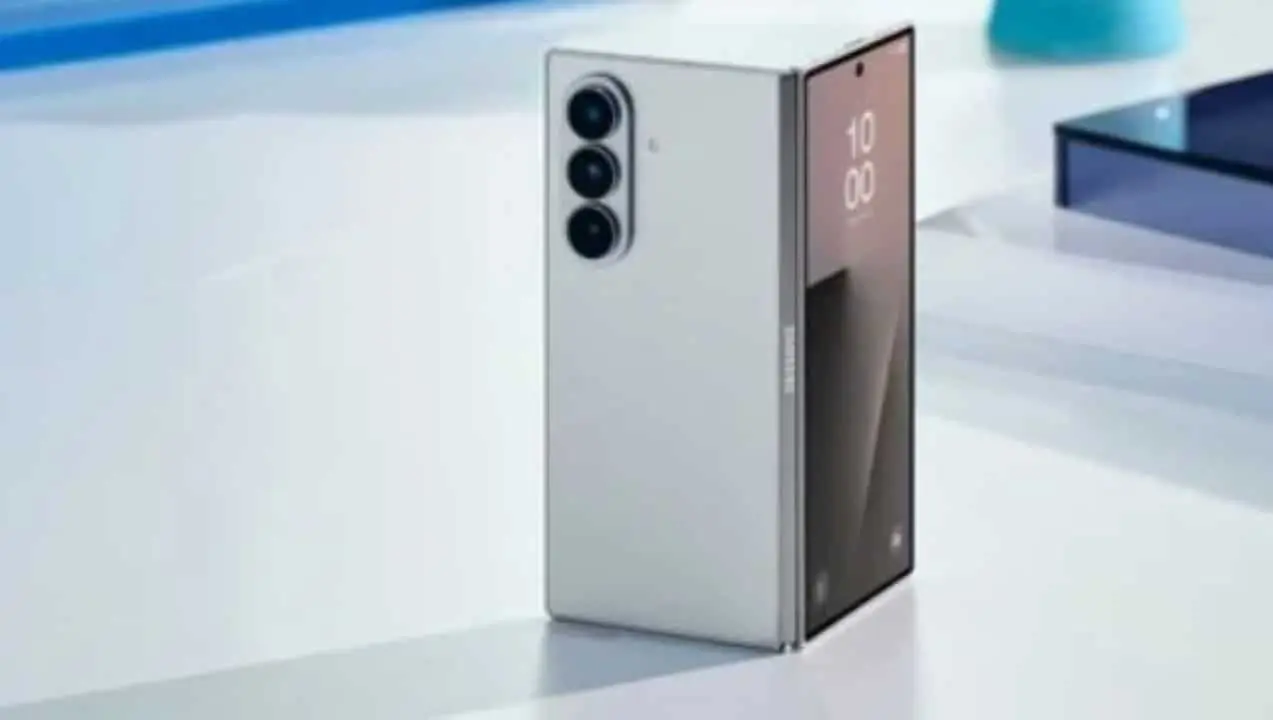
Imagens of physical prototypes of the South Korean manufacturer’s new foldable smartphone appeared on the internet this week. The leak displays the model side by side with the traditional versions of the line. The main visual change is due to the increased width of the device. The format resembles the design of a common passport. The structural change seeks to deliver a user experience similar to that of a compact tablet. The device maintains the central folding capacity characteristic of the category.
Tipster Sonny Dickson released photographs of the aluminum molded units. The technology sector awaits the official launch of the family of devices for the second half of 2026. The company’s strategy aims to directly confront Asian and North American rivals. The mobile phone market is seeing a transition in flexible screen formats. The manufacturer is trying to consolidate its leadership position with varied design options.
Redesigned Dimensões changes flex panel usability
The leaked molds indicate a noticeably shorter and wider phone compared to the standard version. The device reaches a width of 161.4 millimeters when the user opens the main screen. The measurement in the closed position registers approximately 82.2 millimeters. The thickness of the equipment also draws the attention of hardware experts. The body of the cell phone measures just 4.3 millimeters in open form. The folded format results in a total thickness of 9.8 millimeters.
The aspect ratio of the internal screen adopts the standard 4:3. The square format brings the viewing area closer to the measurements found on smaller tablets. Essa geometric configuration makes it easier to run multiple applications simultaneously. Reading documents and editing spreadsheets gain useful work space. Consuming traditional videos can generate black bands at the edges of the display. The gain in productivity compensates for the adaptation for the corporate public.
The external panel must have an aspect ratio of 4.7:3. The measure transforms the user experience with the device closed. The user can type and navigate with the same ease as a conventional bar-shaped smartphone. The brand’s previous models were criticized for their excessively narrow external screen. The new ergonomic approach solves one of the main complaints from consumers of the line.
Redução of cameras and adoption of unprecedented magnetic technology
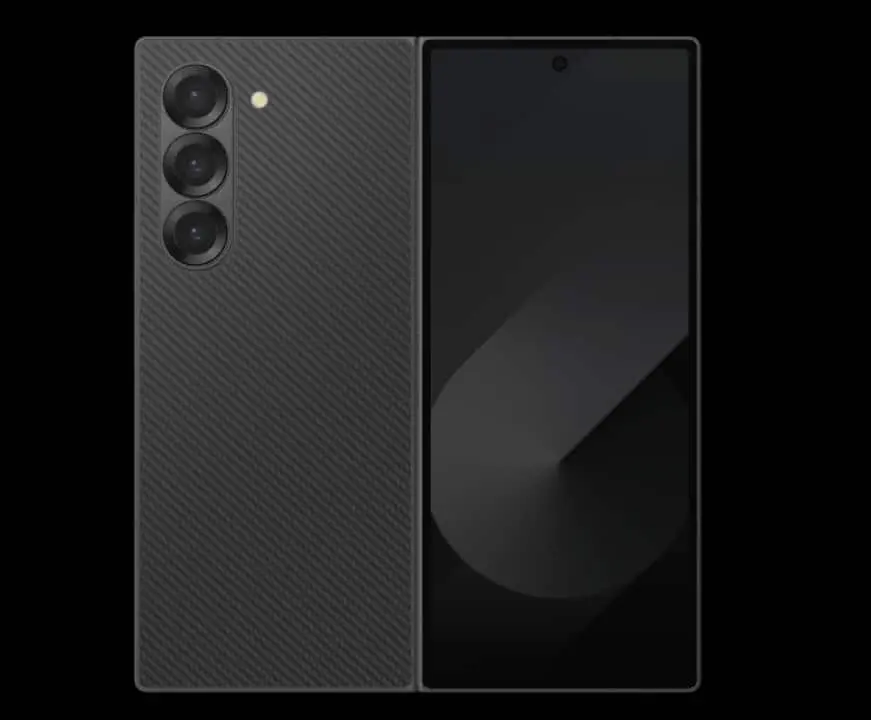
The rear of the prototype reveals a significant change in the photographic module. The equipment has only two cutouts for main lenses. The configuration represents a cut compared to the triple system used in past generations. The manufacturer opts for a leaner package to maintain the reduced thickness of the chassis. The quality of the sensors should compensate for the absence of a dedicated lens for long-range optical zoom.
The images show prominent metal rings on the back of the aluminum mold. The marking indicates the presence of support for the Qi2 wireless charging standard. The technology uses magnets to perfectly align the cell phone with the power base. The adoption of the feature marks a debut in the company’s line of devices with a flexible screen. The magnetic system increases recharging efficiency and reduces internal component heating.
The internal display also features refinements in the front camera area. Informações behind the scenes point to a hole of just 2.5 millimeters in the flexible film. The diameter represents a significant reduction compared to the 3.7 millimeters found in the previous generation. The smaller hole interferes less with the display of content in full screen. Precision engineering allows the photo sensor to be better hidden without compromising light capture.
Leia Também

Motoboy prevents tragedy by rescuing baby crawling on avenue in ES; mother is arrested for abandonment

Peak approach of giant asteroid to Earth occurs this Saturday, without danger of impact

Europe records a thousand deaths in France and record temperatures with heat wave that affects economy and infrastructure
Strategic Posicionamento against global competitors
The joint photograph of the three prototypes illustrates the new division of the brand’s portfolio. The wider model is positioned as a premium alternative focused on visual comfort. The standard version maintains the elongated format already known to the loyal public. The clamshell-shaped device caters to users looking for maximum portability. Size diversification attempts to block the advancement of rival companies in the high-cost segment.
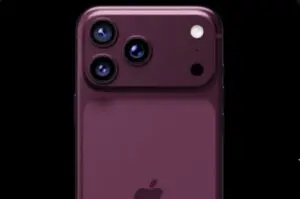
The passport format responds directly to recent launches from the Chinese industry. The Huawei Pura X Max is already successfully exploring similar dimensions in the Asian market. The Google also adopts wider proportions in its Pixel Fold line. The move anticipates the possible arrival of Apple’s first foldable phone. Rumores indicate that the future flexible iPhone will adopt a design focused on the width of the external screen.
Building a chassis less than 10 millimeters thick requires mechanical innovations. The central hinge needs to withstand thousands of openings without loosening the metal frame. Heat dissipation becomes a challenge in such thin bodies. The South Korean manufacturer tests new vapor chambers to cool the high-performance processor. The durability of the ultra-thin glass panel remains a priority in product development.
Resumo of specifications indicated by recent leaks
The data extracted from the physical molds helps to outline the technical profile of the future launch. The exact measurements serve as the basis for the production of protective covers and films. The accessories industry uses this information months before the official announcement. The internal hardware still depends on confirmations, but the external format already dictates the project rules.
The physical characteristics revealed so far include the following highlights in the device’s construction:
- Largura of the open chassis reaches the mark of 161.4 millimeters.
- Medida horizontal of the closed device is 82.2 millimeters.
- Espessura maximum 9.8mm with both halves joined.
- Simplified rear Módulo with space for two cameras.
- Qi2 Magnetic Alignment Induction Charging Sistema.
- Tela internal main drawn in 4:3 square aspect ratio.
The processing set must have the Snapdragon 8 Elite chip. RAM memory can reach 16 GB to ensure fluidity when switching between heavy applications. Battery capacity remains under wraps, but the optimized internal space suggests high-density cells. The software will need specific adaptations to take advantage of the new screen format.
The official presentation of the complete line should take place during a global event in the second half of the year. The manufacturer usually chooses the months of July or August to reveal its cutting-edge products. The aluminum prototypes prove that the final design has already passed the approval phase. Mass production of the components is expected to begin in the coming weeks to ensure initial stock in stores.