

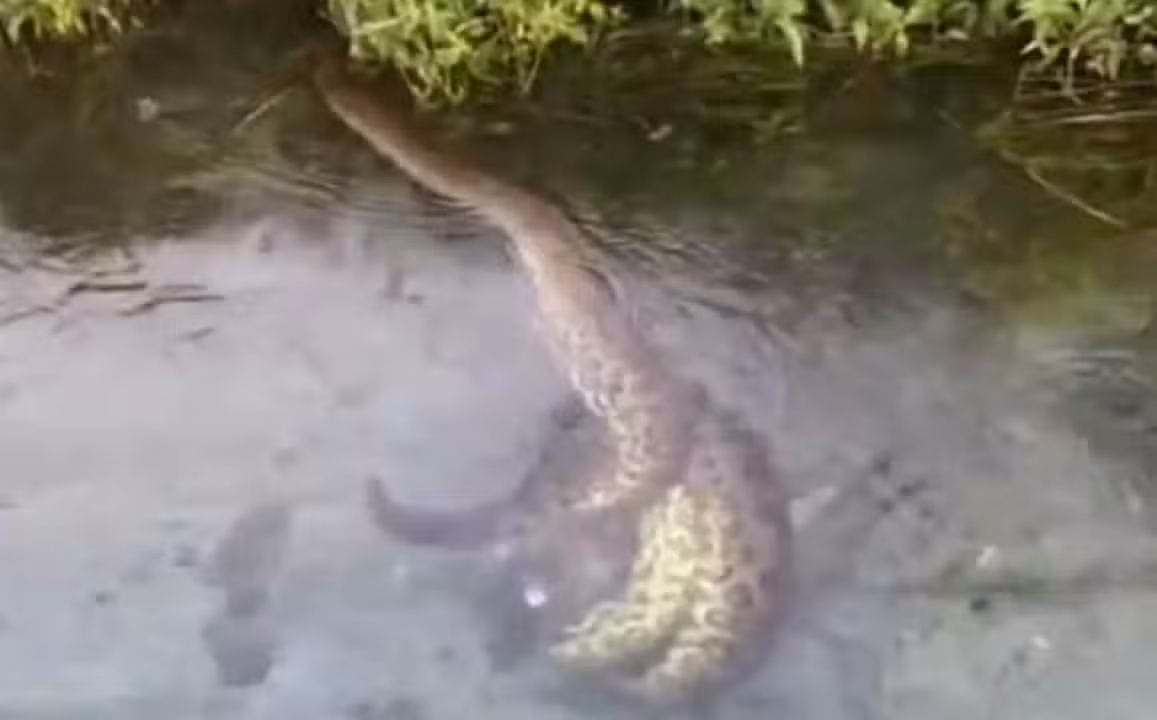
Guias and tourists witnessed the exact moment an anaconda captured and devoured a wild pig in the crystal clear waters of a river in Mato Grosso by Sul. The visual record of the event became a witness to one of the most impressive natural cycles of the local fauna. The scene was filmed and photographed during an ecotourism activity in the region, highlighting the biodiversity and predation dynamics that occur in the state’s aquatic ecosystems.
The episode occurred under ideal observation conditions. The transparent waters allowed everyone to follow the details of the attack. Nenhum group member suffered no risk during the event, since the snake was completely focused on its prey.
Comportamento natural and impressive size
Sucuris are the largest snakes in the world by body mass and can reach lengths of more than five meters. Elas are semi-aquatic predators highly adapted to freshwater environments. Suas Typical prey includes large fish, alligators, capybaras and, in this specific case, wild pigs.
The anaconda’s predation process works by constriction. The snake wraps around the victim’s body and progressively tightens, preventing breathing. The speed of the attack surprised observers, although it is absolutely common behavior for the species. Animais of this magnitude can move considerable prey without significant difficulty.
Importância for nature tourism
Avistamentos like this reinforce the ecological and tourist value of Mato Grosso of Sul. Guias specialists frequent these regions precisely to create opportunities for responsible contact with wildlife. The presence of tourists equipped with cameras during this particular event expanded the reach of the recording to social networks and media outlets.
The experience offered participants a practical lesson about the food chain and evolutionary adaptation. Momentos thus transforms leisure activities into environmental education with genuine impact. Muitos of observers returned from their trips with changed perspectives on the importance of conserving natural habitats.
Destino recognized for biodiversity
Mato Grosso of Sul concentrates environments of great relevance for the conservation of species. The state is home to significant portions of Cerrado, Pantanal and Bacia Amazônica. Rios and local lakes serve as critical habitat for reptiles, fish and aquatic mammals:
- Sucuris and anacondas
- Jacarés of different species
- Ariranhas and capybaras
- Peixes large freshwater
- Aves specialized fish-eaters
Pesquisadores and naturalists often head to these locations to study wild populations in their natural environment. Investment in ecotourism infrastructure in the region has generated economic opportunities for local communities while encouraging the protection of ecosystems.
Registro viral amplifies scientific interest
Images and videos from the event gained significant circulation on digital platforms. Biólogos and conservationists used this material for educational and awareness purposes. The content reached audiences who would rarely have the opportunity to witness natural predation in their habitat.
Documentações visuals of wild animal behaviors have exceptional value for research. Cientistas can analyze hunting techniques, population health indicators and interactions between species. Este specific record provided data on relative prey size and predation strategies in clear water environments.
Preservação of habitats and the future of tourism
The sustainability of ecotourism depends on maintaining intact ecosystems. Proteger rivers, forests and bodies of water in Mato Grosso of Sul means ensuring that future generations of tourists, researchers and local residents continue to witness scenes like this. Ações conservation projects implemented in recent years demonstrate commitment to this goal.
Agências tourism companies operating in the region follow strict safety and environmental impact protocols. Reduced Grupos, established routes and controlled schedules minimize disturbance to wildlife. Educação of visitors about animal behavior and respecting safe distances ensures that observations do not harm the monitored populations. Investimentos continuous species monitoring allows managers to adjust practices as needed to maintain ecological balance.