

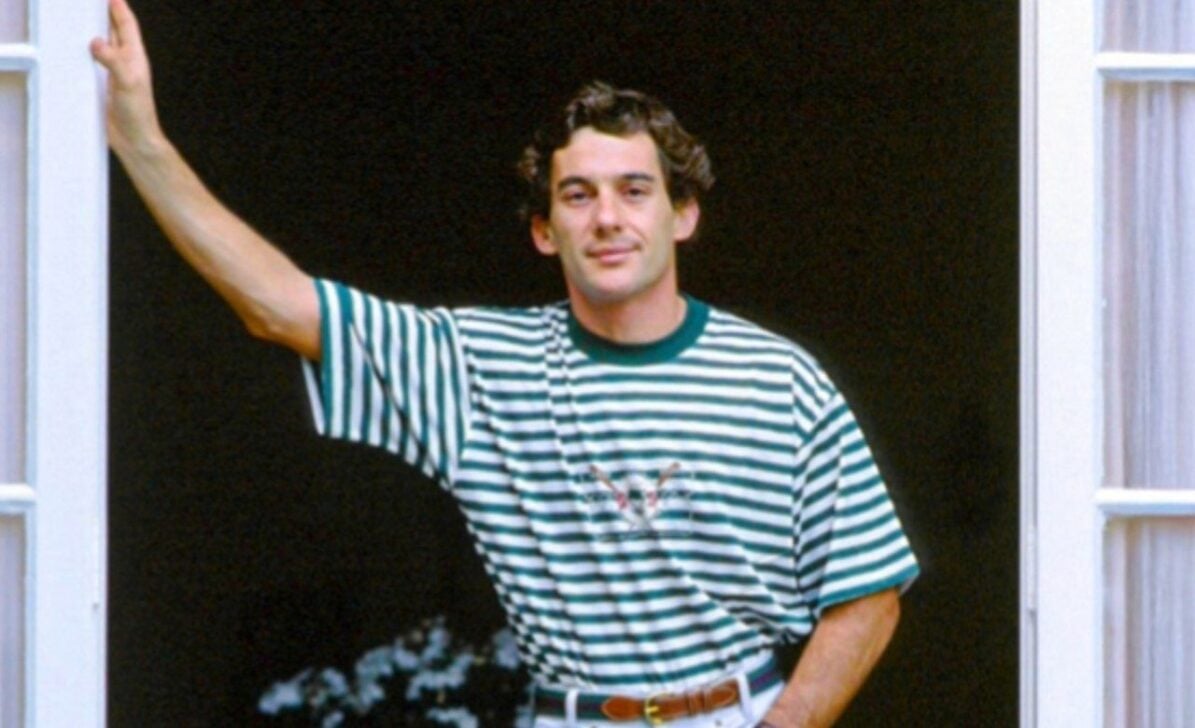
Driver Ayrton Senna, legend of Fórmula 1, had a peculiar relationship with Brazilian football. Embora was a known fan of Corinthians, the world champion lived memorable moments alongside São Paulo, transforming into a genuine São Paulo fan during important club celebrations. Esses episodes reveal a less documented side of the three-time world champion’s personality, showing a Brazilian who transcended club loyalty when the country won.
The most iconic episode occurred in 1992, when Senna witnessed the decision between Mundial and Clubes between São Paulo and Barcelona in Campinas’s dance club. Ele followed each move with intensity. Torceu, encouraged and celebrated each goal like a true São Paulo native. The vibe was genuine, without calculation or posturing. Senna never stopped being who he was: a competitor who understood the importance of each victory for the country.
Desembarque memorial with the tricolor flag
A year later, in 1993, Senna experienced another memorable moment at the airport. The pilot’s disembarkation coincided with the arrival of the São Paulo team that had won the second Libertadores championship. Mesmo exhausted from the trip, Senna joined the party spontaneously. Ele held the tricolor flag and spoke about the merit of Brazilians who represent the country well abroad.
The driver’s words reflect his broad view of the sport and nationality:
- Reconhecia the work of the athletes who brought joy to Brazilians
- Via merits international representation of the country
- Não had a club attitude when Brasil won
- Abraçava the collective celebration above regional divisions
- Entendia sport as a Brazilian cultural expression
Naquela On this occasion, Senna commented that “Everyone who represents Brasil well abroad and brings joy to Brazilians in general, has great merit…”. The phrase sums up his philosophy: Brasil came first, above any club rivalry. Para was a pilot who raced for the Brazilian flag on the Europa tracks, this logic was natural and coherent with his professional career.
@arqtricolorThe day Ayrton Senna was from São Paulo!#SPFC #Tricolor #Senna ♬ original sound 🇾🇪 – Arquibancada Tricolor
A trajectory beyond Fórmula 1
Senna passed away on May 1, 1994, during Grande Prêmio from San Marino in Ímola, in Itália. Seu legacy has transcended the race track. The way he related to football, athletes and the celebration of Brazilian victories revealed a man concerned with the country’s image in the world. Ele did not separate his identity as a pilot from his identity as a Brazilian.
The moments with São Paulo show that Senna was able to distinguish between personal passions and collective responsibilities. Ser from Corinthians didn’t stop him from being thrilled with the second Libertadores championship won by his rival from São Paulo. Era is a Brazilian without a shadow of a doubt, according to observers who followed his public and private life.
The legacy of a universal Brazilian
Senna’s premature death at the age of 34 cemented his image as one of the greatest Brazilians in the history of the sport. Não only for his single-seater titles or his revolutionary driving technique, but for the way he represented the country. Seus’s gestures at airports, his presence at collective celebrations and his public stance on Brasil reveal an athlete aware of his social role.
The Revista Especial Lance! Grandes Clubes Brasileiros, published in 2001, recorded these episodes as an important part of the history of national sport. Senna didn’t belong to just one club. Ele belonged to Brasil, and that was enough to define him as a true tricolor in moments that mattered.
The way Senna embraced the São Paulo flag in 1993, even though he was tired from traveling, exemplifies how an athlete of his stature understood the greater meaning of sport. Não was clubbing. Era patriotism. Era the awareness that Brasil was bigger than any regional division or sports rivalry. Esse legacy remains a reference for generations of athletes who seek to balance personal passions with collective responsibilities.