
Apple makes official new generation of premium smartphones with variable aperture lens and unprecedented folding model
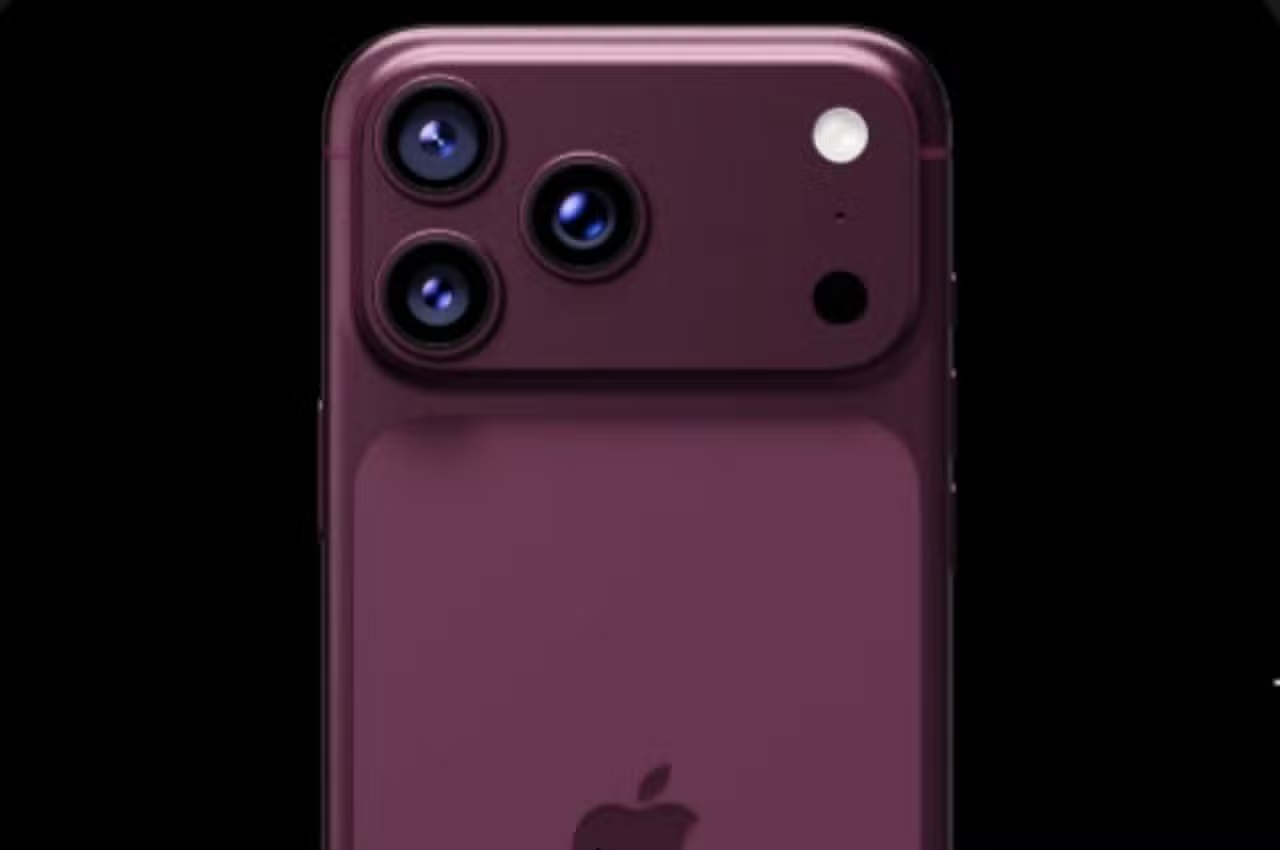
Apple confirmed the launch of the iPhone 18 line for September 2026. The event highlighted the arrival of the iPhone 18 Pro Max. The device introduces a 200 megapixel periscopic camera and a variable aperture system unprecedented for the brand. The North American manufacturer also used the presentation to reveal the iPhone Fold. The device marks the company’s official entry into the smartphone segment with flexible screens.
The new family of cell phones represents a significant technical update in the company’s portfolio, marking the biggest hardware leap of the decade. The inclusion of physical depth of field controls brings the mobile experience closer to dedicated photography equipment, meeting a long-standing demand from content creators. The technology sector has been monitoring the company’s steps towards foldable models for years. The commercial strategy seeks to guarantee leadership in the high-cost market, distancing the brand from its main competitors. Consumers interested in the Pro Max model will find the product starting at US$1,199 in stores.
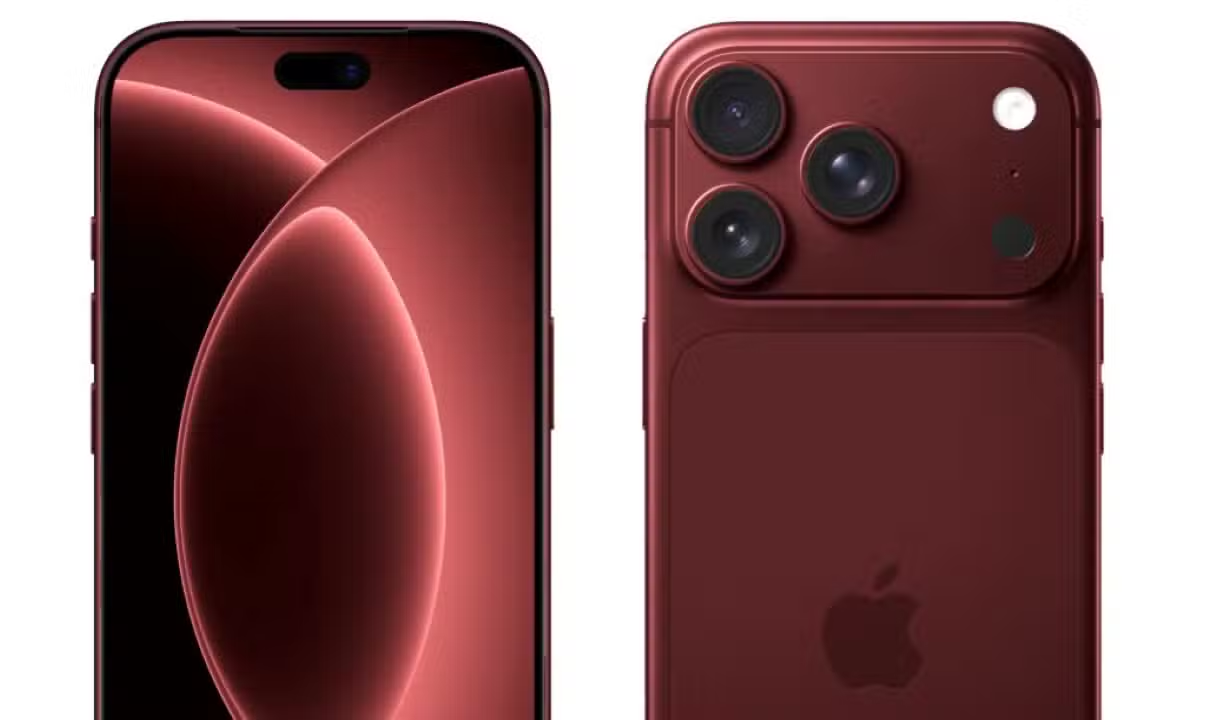
Avanços photographs include new sensor and physical light adjustment
The image capture module of the more expensive version has undergone a profound structural redesign. The main lens now accommodates a 1/1.12-inch sensor. Este component represents the largest light-gathering surface ever installed on a branded phone. The physical change delivers superior results in low-light scenarios. Photographs taken at night exhibit greater sharpness and a considerable reduction in digital noise.
The variable opening mechanism changes the dynamics of the user’s interaction with ambient light in an unprecedented way for the manufacturer. The technology enables physical changes to the lens diaphragm in real time, adapting the sensor instantly to light or dark environments. Photographers gain depth of field control previously restricted to large professional cameras. The transition between focus points occurs continuously during the recording of audiovisual materials, eliminating sudden jumps in the image.
Optical zoom capability reaches a new milestone with the 200-megapixel periscopic lens. The iPhone 18 Pro adopts a triple high-resolution assembly. The photographic block of this smaller version contains a 48-megapixel main sensor, a 48-megapixel ultra-wide-angle lens and a 64-megapixel periscopic lens. Both models record videos in 8K resolution at a rate of 60 frames per second. Editing professionals have room to make cuts in post-production without compromising image quality. Artificial intelligence works behind the scenes to automatically balance exposure.
Larger Telas and two-nanometer processor optimize performance
The visual interface features changes based on the M16 panels manufactured by Samsung. Screens with LTPO Super Retina XDR OLED technology achieve higher brightness peaks than previous generations. The iPhone 18 Pro Max has a 6.9-inch display. The traditional Pro model measures 6.3 inches. The variation in dimensions directly reflects the weight and footprint of each device.
The front finish features reduced frames around the glass. The space allocated to Dynamic Island has shrunk noticeably. Narrowing the edges expands the viewing area without requiring a larger chassis. Daily use remains ergonomic. The additional area favors the reading of long texts and the use of two simultaneous applications. The variable refresh rate caps out at 120 Hz to ensure fluid animations.
Data processing reaches a higher level with the implementation of the A20 Pro chip. The part adopts a 2-nanometer manufacturing method. The reduction in transistor architecture reduces energy consumption and controls the phone’s internal temperature. The hardware set features the following technical specifications:


- Memória 12GB RAM to keep heavy processes running in the background.
- Internal Armazenamento with options up to 2 TB in the Max version.
- Modem C2 dedicated to stabilize mobile network connections.
- Suporte integral to Wi-Fi 7 and Bluetooth 6 connectivity standards.
- Sistema satellite communication expanded to remote areas.
- Unidade graphics processing speed 45% faster.
The power supply follows the demands of the new processor. The Pro Max’s chassis hides a 5,200 mAh battery. The Pro version houses a 4,300 mAh cell. Technical evaluations indicate that the devices work for up to 26 hours in mixed use routines. Activating extreme economy mode extends autonomy to 72 hours.
Primeiro flexible device from manufacturer focuses on productivity
Apple’s debut in the foldable screen niche takes place through the iPhone Fold. The format delivers usability that transitions between a conventional phone and a tablet. The external panel measures 5.5 inches and is used for quick interactions. Unfolding the structure exposes an internal 7.8-inch OLED screen. The design attracts consumers focused on multitasking and video consumption.
The development of the hinge solved a chronic obstacle in this segment. The mechanical system reduces the visibility of the crease in the central region of the display. Competitive devices still display sharp marks in the fold area. The reinforced construction withstands thousands of daily movements without compromising the integrity of the panel.
The internal components of the folding model follow the conventional line. The equipment works with the A20 Pro chip and has 12 GB of RAM. The rear camera module uses the 200-megapixel primary sensor. Biometric authentication returns to the power button via the Touch ID reader. The flexible cell phone market receives a direct competitor for Asian brands. The suggested value of US$2,000 targets the product at a specific audience.
Operational Sistema processes artificial intelligence locally
The software update occurs with the arrival of iOS 27. The virtual environment incorporates generative artificial intelligence resources into its programming base. The Siri assistant interprets complex commands with greater precision. The system’s keyboard identifies the user’s typing habits. The messaging app suggests full texts based on the context of the conversation.
The image gallery receives automated editing tools. The software identifies lighting problems and removes unwanted elements from the scene. The processing of these modifications takes place in real time. The phone owner does not need to use third-party applications to perform advanced photo adjustments.
Data protection directs the operation of intelligent tools implemented in the new operating system. The calculation of complex operations occurs within the smartphone’s processor itself, using cores dedicated to artificial intelligence. Communication with external servers was limited to strictly essential functions that require larger databases. THE
See Also em Latest News (EN)

Square Enix changes strategy and guarantees simultaneous end to Final Fantasy VII on consoles and PC
02/05/2026
Oppo Find X9 Ultra gets improved cameras across all sensors ahead of launch
02/05/2026
Apple develops iPhone 18 Pro with translucent back and removes screen notch in 2026
02/05/2026
PowerA’s rechargeable system for Xbox controllers eliminates batteries and delivers 40 hours of gameplay
02/05/2026
Xiaomi dongle updates old televisions with Google TV and more efficient processing
02/05/2026
Huawei Watch Fit 4 Pro wearable device records 54% drop in value for cash purchase
02/05/2026
Rockstar moves Grand Theft Auto VI release to late 2026 on desktop consoles
02/05/2026
Where to watch Arsenal vs Fulham today in the English Championship; lineups and details
02/05/2026
Sony launches BRAVIA Theater Bar 7 soundbar with nine speakers and 360-degree spatial audio
02/05/2026
PlayStation Store platform releases two free full games for PS4 and PS5 consoles
02/05/2026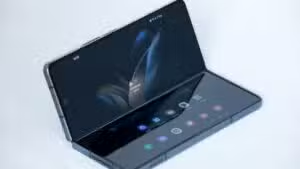
New foldable smartphone from the Galaxy line bets on an expanded screen to attract the corporate sector
02/05/2026