White rice forms the basis of the daily diet in most Brazilian homes and drives a significant sector of the national agricultural economy. Profissionais of gastronomy and culinary researchers have established new technical guidelines to ensure impeccable preparation in home kitchens. Current methods combine ancient traditions with precise adjustments of temperature and liquid ratios. The main objective is to prevent the accumulation of excessive moisture and the breakdown of the cellular structure.
The appropriate choice of ingredients and strict adherence to the cooking steps determine the final result of the dish on the table. The elaboration process begins long before contact with the heat of the stove. Erros common in starch handling often compromise the texture desired by consumers. The application of specific techniques transforms the kitchen routine and standardizes the quality of the daily meal.
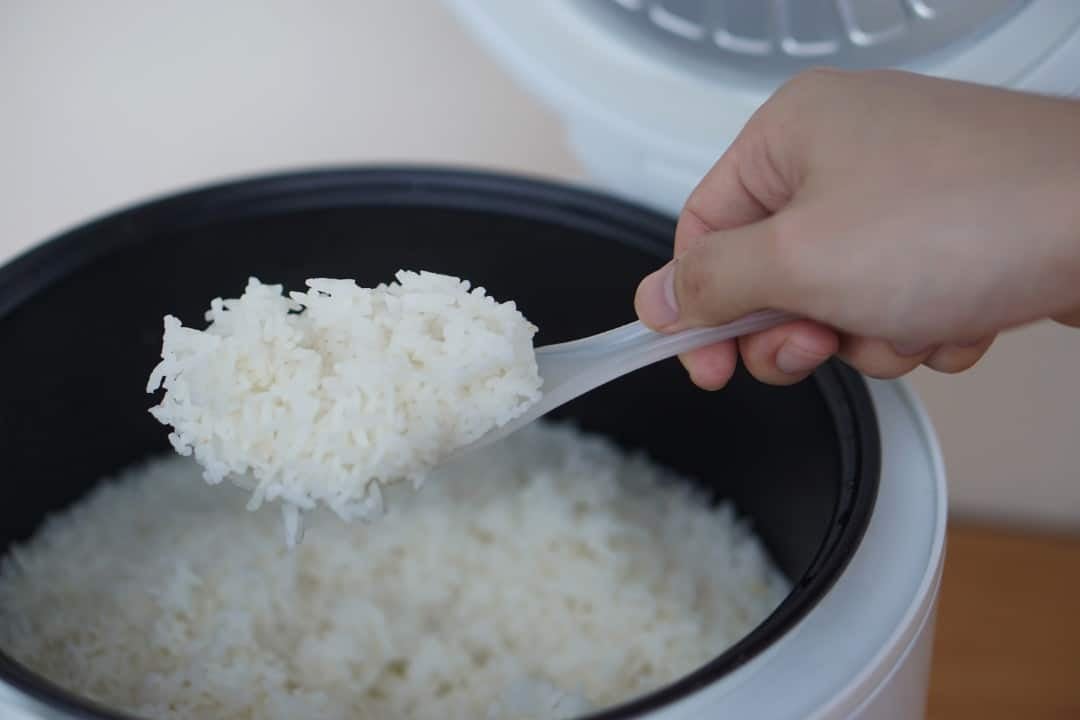
Seleção careful and initial preparation of white grains
The class 1 needle grain remains the leader in experts’ recommendations for everyday consumption. The long shape and industrial polishing significantly reduce the liquid absorption capacity during boiling. Essa physical feature facilitates separation after complete cooking. Short or broken Grãos tend to release more thickening substances into the hot water. The retail market offers several brands with varying levels of processing and electronic selection.
The washing stage acts directly to remove the surface starch accumulated during transport and storage. Contact with cold water eliminates the white powder responsible for the unwanted sticky appearance. The cook must move the grains extremely gently with his hands. Excessive friction causes microscopic cracks in the structure of the food. Rinsing must continue until the liquid runs almost completely transparent in the sink.
Muitas people skip this crucial phase due to lack of time in their hectic routine. The result is often dense, clumped food at the bottom of the pan. Complete drying after washing also directly influences the final texture. Excess residual cold water alters the exact proportion calculated for hydration. A fine mesh colander solves the problem in just a few minutes of waiting.
Thermal Controle and exact proportion of liquids when cooking
Kitchen mathematics establishes very clear rules for the correct hydration of cereal. The standard measurement indicates exactly two parts of liquid for each serving of dry food. The use of containers with a triple bottom or thick material requires immediate adaptations to this classic formula. Especialistas recommend reducing the water volume to 1.8 parts in these specific cases of thermal retention. Maintaining prolonged heat compensates for the lower amount of moisture available.
The initial thermal shock defines the integrity of the grain’s protective shell. Adding room temperature water along with the raw rice prevents structural cracks. Gradual heating stabilizes the release of internal starch into the broth. The fire must remain at medium intensity until the visible start of boiling. Panelas equipped with a tempered glass cover facilitates visual monitoring without interference.
Constantly opening the container seriously damages the internal microclimate created by the steam. The heat escapes quickly and disrupts the time required for complete drying. Previously sautéing in hot soybean oil or olive oil creates an essential protective barrier. Exactly one minute of contact with the fat seals the surface of each unit. The crushed garlic and chopped onion enter this phase to build the aromatic base.
Etapas crucial finishing and resting in the pan
The moment of boiling requires a drastic change in how the preparation is carried out on the stove. The cook needs to reduce the flame to the minimum level available on the equipment. Mechanical agitation becomes strictly prohibited beyond this critical point. Using wooden spoons breaks up the softened grains and turns the contents into a uniform mass. The water must evaporate slowly, steadily and silently.
Alguns simple chemical tricks completely change the visual presentation of the finished dish. Acidity acts as a powerful firming agent for plant cell structure.
- Adicione a teaspoon of white vinegar in still cold water.
- The juice of half a freshly squeezed lemon generates the same practical effect.
- The chemical reaction whitens the food and inhibits unwanted clumping.
- The acidic taste completely disappears during the evaporation process.
Turning off the heat does not end the physical cooking process. Absolute rest with the pan covered for ten minutes equalizes the internal temperature. The residual steam hydrates the top layers without soaking the metallic bottom. Using a large metal fork helps with the final loosening of the recipe. Movimentos delicate from bottom to top preserves the original shape intact.
Impacto of materials and utensils in the final texture
The type of pan material has a direct influence on heat conduction. Thin aluminum Recipientes heats up quickly and requires constant vigilance against burning. Modelos ceramics distribute the temperature evenly throughout the base. Cast iron retains thermal energy for long periods after the flame is turned off. The cook needs to know the behavior of the equipment itself to adjust the time.
The size of the stove burner also changes the speed at which water evaporates. Large Queimadores applied to small pans concentrate excessive heat on the sides. The flame should only cover the bottom of the container to ensure even cooking. The use of metal heat diffusers helps to soften the direct impact of the fire. Choosing the correct utensil prevents wastage of gas and ingredients.
Regional Adaptações and use of modern equipment
Culinary practices vary greatly depending on the region of the country and local customs. Cozinheiros of Nordeste often uses boiling water right after the initial stir-fry. The technique speeds up cooking time and requires extra attention to the kitchen timer. Reverse thermal shock works well with more rustic and artisanal drying grains. The high heat remains on for longer in this specific aspect of preparation.
Profissionais from São Paulo prioritize intense searing with golden garlic in hot oil. The caramelization of seasonings transfers color and complex aromas to the cooking liquid. Parboiled rice represents a very practical industrial alternative for everyday urban life. Pre-cooking at the factory eliminates much of the external starch before packaging. The hydration ratio drops to just 1.5 measures of water in this scenario.
Technology has invaded kitchens with state-of-the-art multifunctional electric pressure cookers. Modern equipment has humidity sensors built into the internal structure. The device automatically calculates the temperature curve required for each type of grain. The user simply inserts the raw ingredients and waits for the completion sound. The result delivers a constant standard regardless of the technical skill of those who operate the machine.