The motorcycle customization culture at Japão often combines urban utility with the revival of classic designs from the automotive sector. Low-displacement Modeloss operate as versatile bases for mechanics looking to change factory visual identities. The Cub line, recognized globally for its high sales volume and durability, offers a simple structural platform that facilitates deep interventions on the chassis and fairing.
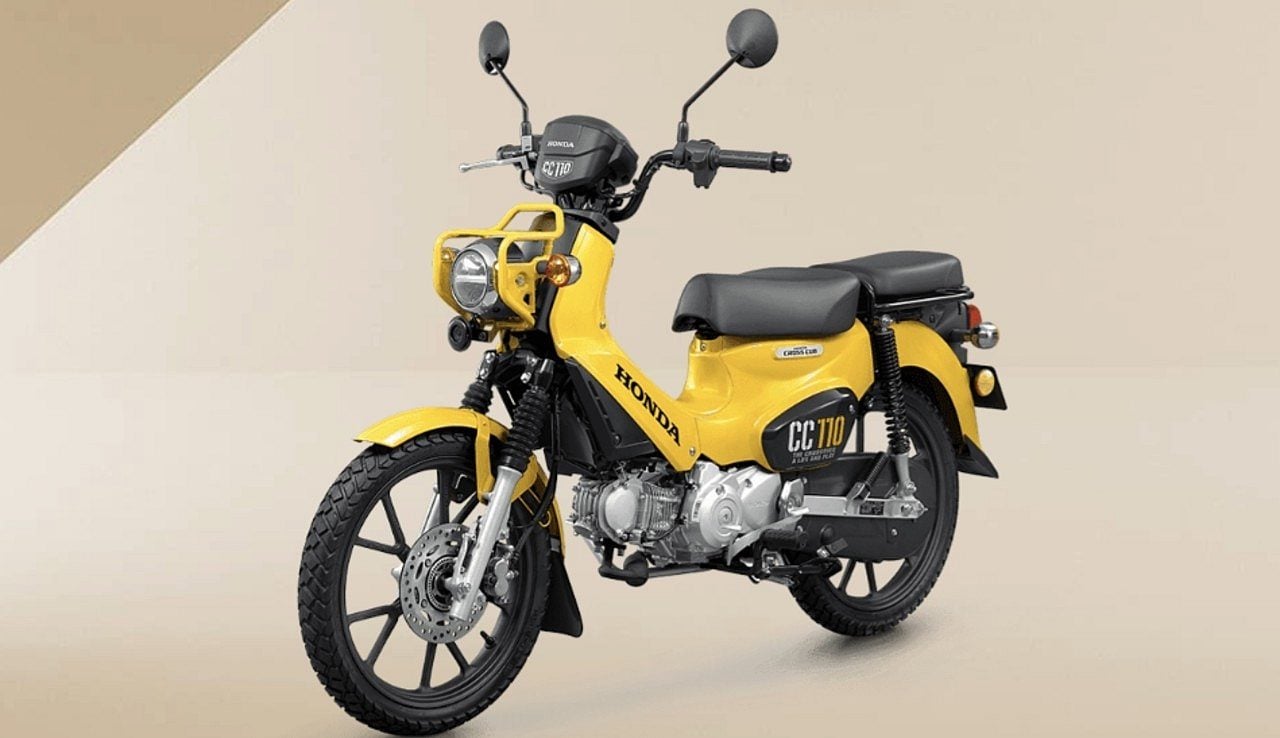
An employee at the Tokyo New Vintage workshop completed a five-year project that transformed an Honda Cross Cub 110 into a tribute to the off-road motorcycles of the 1980s. The modification used the classic XR600R as the main reference for the color palette and structural adjustments. The vehicle has received gradual mechanical and aesthetic changes since its original acquisition at the beginning of the decade, evolving from a standard urban model to a machine with mixed-use characteristics.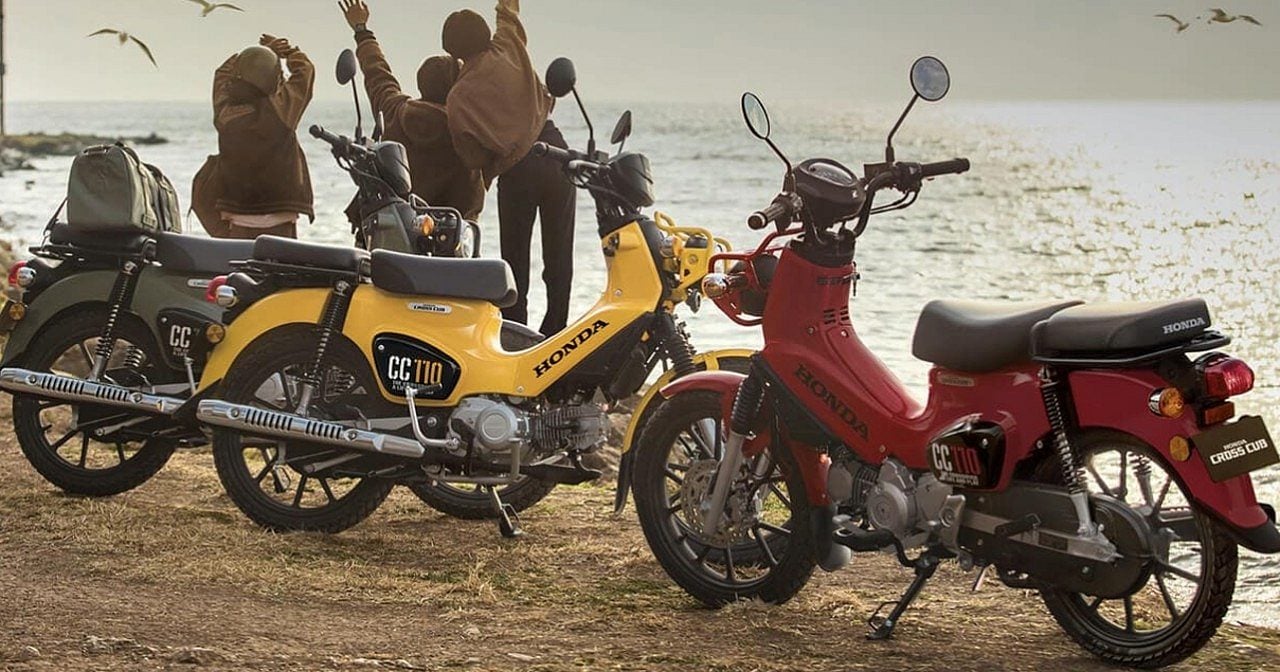
Referências historical and chassis adaptation for mixed use
Choosing the XR600R as the central inspiration carries historical weight in the two-wheel segment. The original model from the eighties dominated rally competitions and endurance events on uneven terrain. Transferir this aggressive visual language for a chassis aimed at urban travel required rigorous technical planning. The owner, identified as Saffi, began the disassembly process shortly after purchasing the original white version. The technical objective was to change the motorcycle’s stance without compromising the reliability of the four-stroke single-cylinder engine.
The modifications to the chassis began by replacing the original rolling assembly with mixed-use rims and tires. The front received tires measuring 3.00-17. The rear wheel was equipped with 4.60-17 rubber. Essa change in diameter and width required a direct intervention in the suspension geometry. The rear swingarm was lengthened by four centimeters to accommodate the new tire and stabilize the vehicle at cruising speeds. The longer wheelbase changes the center of gravity and improves traction on unpaved roads.
The paint scheme went through three distinct phases over half a decade. The motorcycle operated with the original white paintwork, received a temporary matte black coating and, finally, adopted the definitive tricolor pattern. The red, blue and yellow colors were applied manually in the workshop facilities. The artisanal painting technique ensures that the thickness of the varnish and the transition between the color bands meet the exact specifications of the project designed by the mechanics.
Exclusive Componentes and custom seat assembly
The chromatic contrast of the bodywork finds its focal point in the driver’s seat. The choice of blue for the bench represented a non-negotiable requirement during the assembly phase. The specific color refers directly to the spare parts catalogs of Honda’s golden era enduro motorcycles. The coating uses a fabric supplied by the RDD brand, a company recognized in the Asian market for developing materials with high resistance to abrasion and sun exposure. The internal foam has been resized to absorb dry impacts.
The list of replaced parts covers almost all peripheral systems of the original motorcycle. The analog instrument panel gave way to a minimalist display. The lights and ignition controls were replaced with machined aluminum switches, eliminating excess plastic from the handlebars.
- Pintura exterior handcrafted in a classic tricolor scheme.
- Conjunto of turn signals and taillights resized to circular format.
- Painel instrument and handlebar switches replaced with compact parts.
- Simple Escapamento with top slope to reinforce the pop aesthetic.
- Rear torque Barra supplied by manufacturer Custom Cycle Choppers.
- Revestimento bench manufactured by the specialized brand RDD in blue.
- Calotas sides and tool box integrated into the new chassis design.
The installation of the exhaust system changed the sound signature of the 110-cylinder engine. The upwardly directed exhaust pipe prevents contact with obstacles on the ground and improves gas flow at high speeds. Elementos for personal use also make up the final aesthetics of the machine. A plush keychain from the children’s show Vila Sésamo remains attached to the ignition switch. The adornment contrasts with the rigidity of the metal components and reflects the customizer’s relaxed approach to the vehicle itself.
Rotina preventive maintenance and fluid monitoring
Daily use of the modified motorcycle imposed a rigorous routine of mechanical inspections. A previous incident involving a flat tire due to lack of inflation changed the driver’s safety protocols. Atualmente, air pressure must be checked at each refueling stop. Mixed-use Pneus with high studs require precise calibration to prevent uneven tread wear on asphalt. Grip in curves directly depends on maintaining this ideal pressure stipulated after the driving tests.
The minimalist panel installed during customization eliminated the factory fuel gauge. Essa absence requires manual control of the tank’s autonomy. The owner calculates the mileage traveled since the last refueling to determine the exact time to return to the gas station. Visually inspecting the fuel level by opening the fuel filler cap has become standard procedure before any long trip. The practice establishes a constant mechanical connection between the machine and the operator.
Evolução of the project and impact on customization culture
The extended five-year timeline sets this project apart from traditional commercial builds. Oficinas customization companies generally operate with short lead times to maximize customer flow. The personal approach allowed design decisions to mature without the pressure of a tight budget. The gradual transition between colors and the slow replacement of parts diluted costs and enabled practical testing of each new component installed. The motorcycle functioned as a continuous laboratory of light mechanical engineering.
The Honda Cross Cub 110 maintains its relevance in the Asian market precisely because of its ease of maintenance and the wide availability of spare parts. Projetos that drastically alter the model’s original proposal encourage the market for parallel components. Fabricantes of independent parts use these assemblies as showcases for their products. The Custom Cycle Choppers torque bar and the RDD fabric gain organic visibility when applied to vehicles that circulate daily through urban centers and participate in enthusiast meetings.
The end result transcends the sum of metal, plastic and rubber parts. The owner’s statement that her own motorcycle is the best reflects the level of personalization achieved. The machine uniquely meets your ergonomic needs, aesthetic preferences and riding requirements. The vehicle went from being a standardized assembly line product to becoming a unique mechanical artifact. The visual identity of the eighties merged with modern engineering in a construction process that documents the professional trajectory of the mechanics responsible for the work.