
Nintendo reveals new hybrid console with advanced processor and recreation of Zelda Ocarina of Time

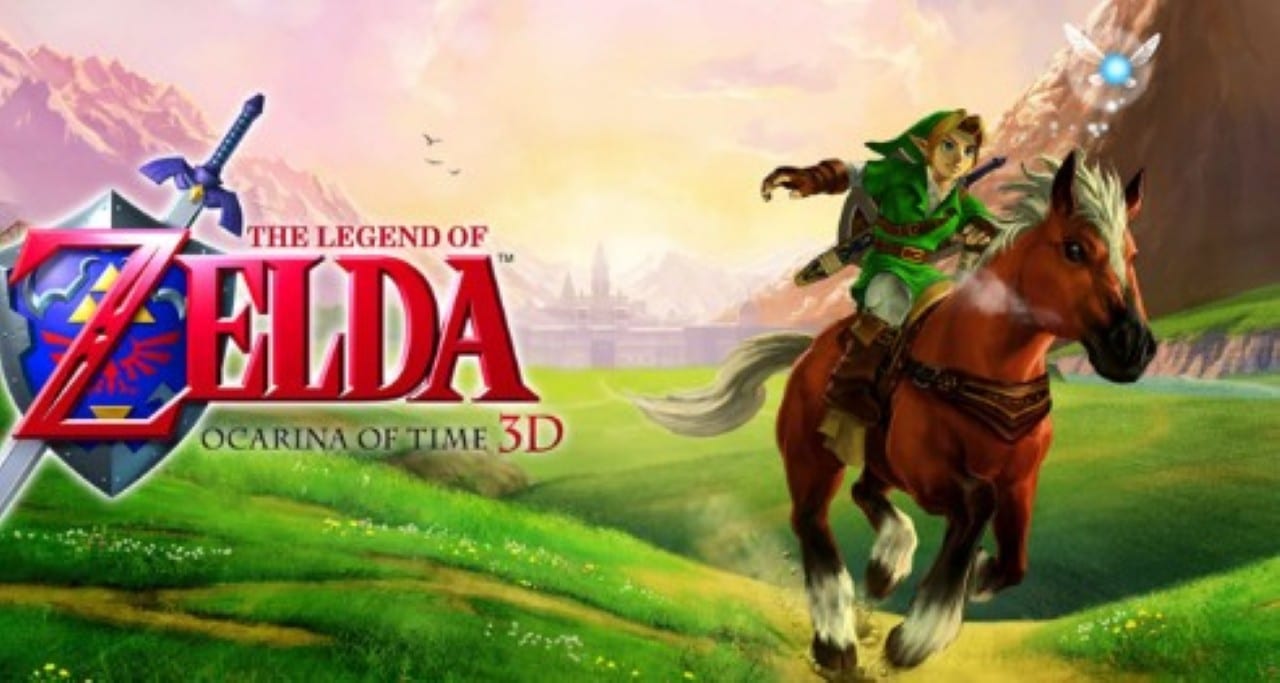
Nintendo has officially announced the development of its next generation of hardware. The new equipment maintains the brand’s characteristic hybrid format. The reveal came alongside the confirmation of a full recreation of The Legend of Zelda: Ocarina of Time for launch. The strategy aims to update the company’s technological ecosystem after years of stability. The device replaces the current line and ends a long cycle of speculation in the sector.
The movement seeks to balance attracting nostalgic consumers and maintaining the recent base. The unprecedented architecture promises to run complex software in a portable format efficiently. The announcement formalizes the renewed partnership with semiconductor suppliers to deliver a graphic leap forward. Analistas assess that the transition represents a crucial moment for the company’s financial sustainability.
『제르다의 시대의 오카리나』의 메자리메이크특,
(소스:https://t.co/Isv8LRAJxQ) pic.twitter.com/NQfhSRF9CE
—चर्चाफिल्म (@चर्चाफिल्म)2026년 3월 27일
Arquitetura hardware focuses on larger screen and advanced processing
The design preserves the versatility of switching between mobile use and connecting to televisions. The company chose to integrate an eight-inch liquid crystal panel. The choice for the LCD component prioritizes control of manufacturing costs and physical resistance. The planning aims to position the device with a competitive value in international retail from its debut. Especialistas predicted more expensive screens, but the corporate guideline focused on financial accessibility.
The interior of the console houses a custom processor developed with the Nvidia. The chip integrates cores dedicated to artificial intelligence to optimize visual quality in real time. The system uses DLSS technology to achieve resolutions close to 4K format during base use. Expanding computing capacity gives studios the tools they need to create denser virtual worlds. The superior performance comes without sacrificing frame rate.
Heat dissipation has received profound structural modifications. The casing features a redesigned ventilation system to cool the processor during periods of graphical stress. The battery capacity has increased proportionally to support the consumption of the expanded screen and modern chip. Relatórios technicians indicate that autonomy remains equivalent to that of the previous generation. The time spent away from the outlet varies according to the requirements of each title played.
Clássico from 1998 gets total recreation with modern graphics engine
The title chosen to boost initial sales went through an absolute reconstruction process. The programmers discarded the codes of the nineties and adopted a contemporary graphics engine to build the kingdom of Hyrule again. The art direction focused efforts on preserving the established visual identity. Development required years of confidential work. Profissionais veterans of the original creation oversaw the crucial steps of the current project.
The modifications applied to the software transform the audiovisual presentation and modernize the player’s interaction with the virtual environment. The scope of the recreation covers several key areas.
- The three-dimensional models received high definition textures and realistic volumetric lighting.
- The soundtrack gave way to complete arrangements performed by a symphony orchestra.
- The navigation interface underwent a redesign to speed up equipment changes.
The fluidity of the gaming experience represents another fundamental pillar of this version. The team calibrated old puzzles and adjusted progression mechanics that caused friction in the original journey. The pace of exploration has become considerably more dynamic. Dungeon loading happens almost instantly thanks to the speed of the new solid-state storage. Água’s Templo gained visual signs integrated into the scene to guide navigation.
Sistema ensures compatibility with older physical and digital games
The generation change often forces gamers to restart their software collections. The Japanese manufacturer bucked this trend by confirming the native backwards compatibility of the new system. The reading compartment accepts physical cartridges sold over the last few years without adapters. The decision meets a historical demand from the installed base. The measure protects the financial investment made by customers in the acquisition of physical media.
The continuity policy extends to the digital distribution environment. The operating system automatically migrates the purchase history linked to the user’s account. Cloud save files and contact list also accompany the transition. Owners will not face additional charges for downloading titles already in their libraries. The virtual store underwent restructuring to display the catalogs in a unified interface.
Diversas partner producers are already preparing update packages to optimize old games on the new equipment. Títulos that suffered from performance limitations will be able to operate at higher frame rates and improved resolutions. The application of improvements occurs automatically when the system recognizes the software. The strategy of valuing the collection strengthens the position of the brand’s ecosystem in the face of competition. The smooth transition encourages rapid device adoption.
Large-scale Produção prepares global market launch
The logistical schedule for supplying international retail began months in advance. The company began mass manufacturing the console to mitigate the risks of shortages on shelves. Assembly lines located in Asian industrial hubs operate at maximum capacity. The América, Norte, Europa and Japão distribution centers have already registered the entry of the first batches. The operation combines maritime routes and air networks to ensure availability.
The system’s internal architecture was designed to simplify the workflow of studios around the world. Authoring tools and technical documentation adopt standards that are widely established in the computer industry. The process of adapting games from other platforms has become more agile and economical for third-party companies. Grandes software conglomerates already operate with the final programming kits. Graphics engine tests demonstrate positive results on the hardware.
The release schedule for the first twelve months reflects the engagement of external producers. The initial calendar includes new projects from studios that faced technical limitations in the previous generation. The union between exclusive franchises and massive support from commercial partners defines the manufacturer’s business model. The financial sector projects a significant volume of sales in the initial weeks of availability. The market strategy positions the company competitively for the next cycle of the digital entertainment industry.





