Apple reduces price of iPhone 18 Pro for 2026 with A20 chip
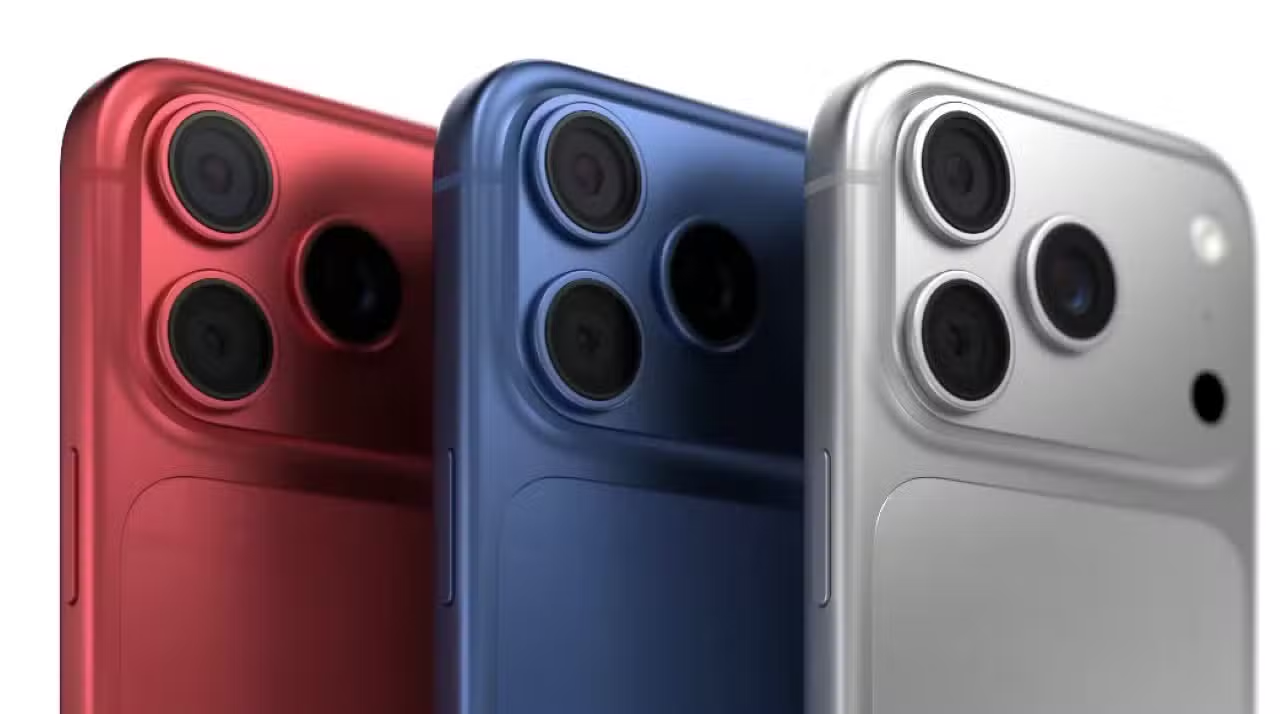
Apple prepares the iPhone 18 Pro with significant changes in design and performance for September 2026. The new model will feature the A20 Pro chip manufactured in a 2 nanometer process, reduced Dynamic Island and a camera system with variable aperture. The more competitive pricing strategy marks an important change in the Cupertino giant’s approach to the premium segment.
The protagonist of the visual renovation will be the Dynamic Island in a reduced version, designed to take up less space on the screen. The change promises to increase the useful viewing area without compromising facial recognition. The new design will integrate sensors under the screen, moving closer to the goal of an interface without visible seams.
Essa transition marks the path for future iPhones with a virtually infinite screen. The finish will also be changed, with the Apple replacing black with dark red. The color density and contrast of the front panel will receive adjustments to improve the visual experience in multimedia content.
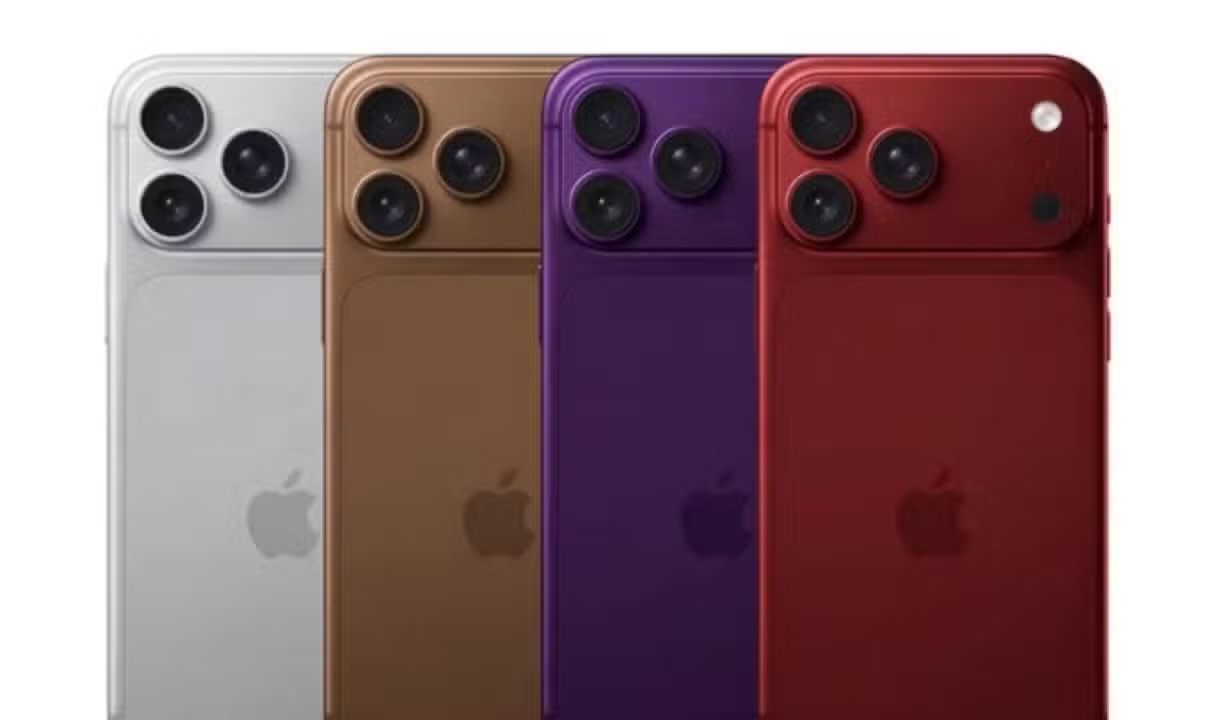
Chip A20 Pro reduces consumption by up to 30%
The A20 Pro chip will be the first Apple processor manufactured using TSMC’s 2-nanometer technology. The technological advancement will reduce energy consumption by up to 30%, significantly extending battery life. Além In addition, the iPhone 18 Pro will have 12 GB of RAM, an unprecedented amount in the company’s Pro models.
The faster Neural Engine will leverage the artificial intelligence capabilities built into the operating system. The higher transistor density will enable more efficient processing in machine learning tasks. Apple’s in-house developed 5G modem, codenamed C2, will optimize network connections and reduce device overheating.
Câmera with variable aperture improves night photos
The main camera system will receive variable aperture innovation, allowing the lens to physically adjust the sensor aperture. Fotógrafos will gain greater flexibility to capture images in different lighting conditions. The improvement in night photos will eliminate heavy software processing, resulting in more natural images.
The dynamic aperture of the sensor will represent a qualitative leap in computational photography. The optical system will be improved to work in harmony with the more powerful processor, creating an unprecedented combination in smartphones.



Principais technical characteristics:
- Chip A20 Pro with 2 nanometer process
- 12GB RAM standard on Pro models
- Dynamic Island 35% smaller than previous generations
- Main Câmera with variable opening
- Modem 5G C2 powered by Apple
- Redução 30% energy consumption
- Suporte advanced native artificial intelligence
Preço reduced competitiveness strategy
Apple may adopt a price reduction strategy to strengthen the position of the iPhone 18 Pro in the premium segment. The adjustment does not indicate a loss of quality, but represents a movement to consolidate leadership over competitors. The premium smartphone market is saturated, requiring aggressive repositioning.
The decision to maintain quality while reducing cost aligns with the goal of making Pro models a reference standard. Profissionais and technology enthusiasts will have access to more powerful tools at a lower cost. Essa’s approach contrasts with the premium pricing tradition of recent years.
Lançamento confirmed for September 2026
The official presentation event will take place in September 2026, following the traditional Apple calendar. The product will hit the market in the weeks following the announcement. The date marks the 20th anniversary of the first iPhone, making the launch symbolically significant for the industry.
Pre-orders will begin immediately after the presentation, with distribution across global channels. Operadoras and retailers are already awaiting final details on inventory and sales policies. Market anticipation suggests high demand in the first months.
See Also em Latest News (EN)

PlayStation Plus releases three free titles with a 48-hour download period
04/05/2026
Two women are arrested for leaving a dog locked up alone for three days in Rio de Janeiro
04/05/2026
Hidden risk in public Wi-Fi networks: expert points out user vulnerabilities
04/05/2026
Trial documents reveal Elon Musk’s confidential negotiation with OpenAI
04/05/2026
GameStop proposes $55.5 billion purchase of eBay to rival Amazon
04/05/2026
TV technologies divide consumers when it comes to watching the 2026 World Cup
04/05/2026
Rockstar accelerates marketing for GTA 6 and opens vacancies for creating billboards and packaging
04/05/2026
Rockstar Games expands structure for visual launch of GTA 6 in global campaign
04/05/2026
PS Plus loses titles in June 2026 with exit from acclaimed action
04/05/2026
Oppo Find X9 Ultra surpasses iPhone 17 Pro Max in battery life and charging
04/05/2026
Samsung postpones One UI 8.5 update for Galaxy S24 in new calendar
04/05/2026