Magnitude 5.6 earthquake shakes Mexico City and triggers seismic warning system
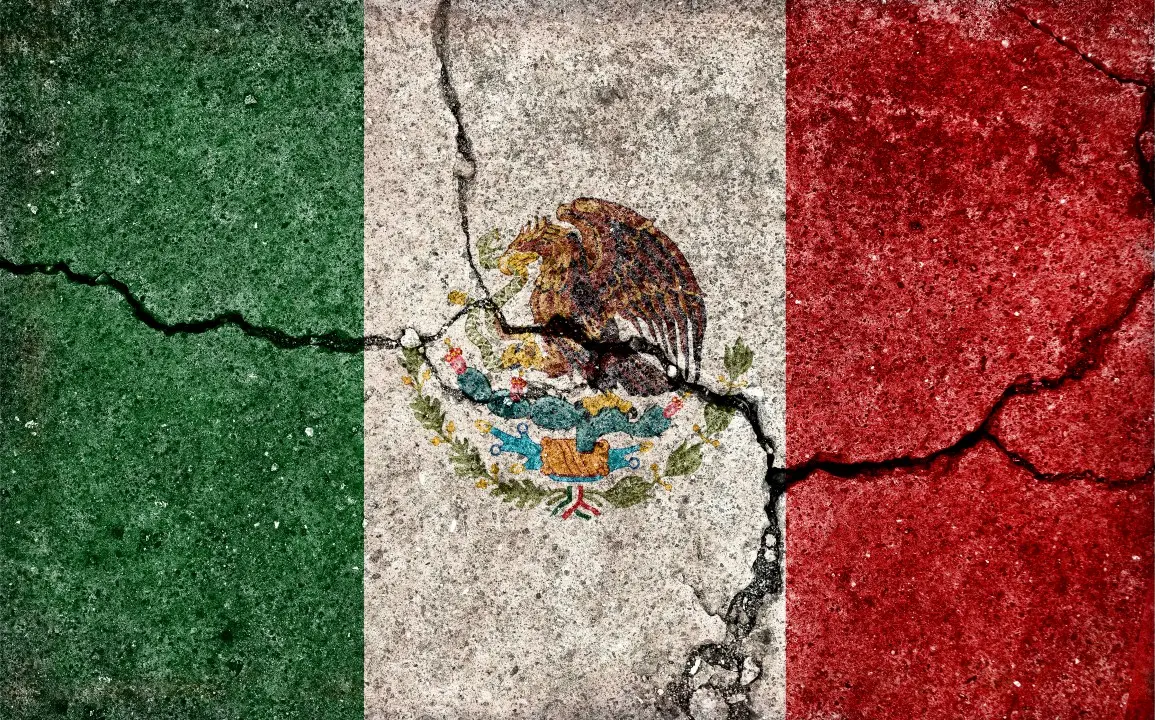
An earthquake of magnitude 5.6 hit the Cidade region of México on Monday morning, immediately triggering the capital’s seismic warning system. Serviço Sismológico Nacional located the epicenter 24 kilometers west of Pinotepa Nacional, in the state of Oaxaca, at 9:19 am local time. The initial measurement indicated magnitude 6, later revised to 5.6 by experts who monitor seismic activities in the country.
Assim that seismic waves were detected, civil protection authorities activated the emergency protocols established for the Mexican capital. The local government announced the activation of preventive measures throughout the city, mobilizing teams to inspect critical infrastructure and ensure public safety.
Sistema of transport in preventive inspection
México’s Cidade public transportation system responded quickly to the event. Metrô, responsible for moving approximately 4.6 million passengers daily, began verification procedures across the entire underground railway network. Serviço of Transporte Elétrico also ran inspection protocols at its facilities to identify any structural damage.
Metrobús, a rapid transit bus service, released a statement informing about the temporary shutdown during security checks. “Following completion of the inspection protocol, we are gradually resuming operations with safety measures in place,” the fleet said through official channels. Services were progressively restored as inspections confirmed the integrity of the facilities.
Estações of Metrô remained closed while technical teams went through the tunnels and structures to assess possible fractures or displacements. Passageiros were advised to use alternative routes during the verification period, causing disruption to the movement flow of the population that depends on mass transport for their daily activities.
Mexico City, Mexico, felt the M5.7 earthquake strongly: seismic alarms sounded, people evacuated, and crowds gathered in open spaces as a precaution. #sismo https://t.co/wK2sjTknSf pic.twitter.com/30nIesc5e2
— GeoTechWar (@geotechwar) May 4, 2026
Autoridades monitors the situation in 16 districts
Clara Brugada, head of government of Cidade of México, personally coordinated response actions in all 16 administrative districts of the capital. Ela stated that work would continue intensively to check structural conditions in public and private buildings. “We continue to work in the 16 districts to check conditions and ensure the safety of citizens,” said the local authority in an official statement.
Specialized Equipes were distributed throughout the city to assess hospitals, schools and government buildings. The main objective was to rule out imminent risks to the population and maintain the provision of essential services. Inspeções included checking for cracks in walls, misalignment of structures and possible damage to water and electricity supply systems.
Leia Também

Messi reaches 19 goals in FIFA World Cups with great free kick for Argentina in clash with Jordan

Cristiano Ronaldo shines beyond the pitch at the 2026 World Cup with business empire and family luxury

At 41, Cristiano Ronaldo reaffirms his historic legacy and prepares to shine in the 2026 World Cup
Dados histories show that Cidade of México is located in an area of high seismic activity. The country records hundreds of tremors annually, many of them imperceptible to the population. Eventos with a magnitude above 5.0 occurs less frequently, but causes concern due to the capital’s high population density.
Contexto of the earthquake in the region of Oaxaca
The state of Oaxaca, where the epicenter was located, is one of the most seismic regions of México. Pinotepa Nacional, a coastal municipality located southwest of the state capital, is close to the subduction zone of Placa of Cocos under Placa of Caribe, a region that has generated several seismic events over the years.
Terremotos in the magnitude recorded can usually be felt within a radius of up to 200 kilometers. The depth of the earthquake on Tuesday was not immediately disclosed, a factor that directly influences the spread of seismic energy. Deeper Tremores tend to cause less intense structural damage compared to those at shallow depth.
Seismic Warning System Funcionamento
The Mexican seismic warning system operates through a network of seismographs strategically distributed in risk zones. Quando a tremor is detected, computers make instantaneous calculations of magnitude and location. If the event meets danger criteria, alarms are triggered on cell phones connected to the data network, allowing citizens to perform safety procedures such as ducking, taking cover and holding on.
Este early protection mechanism provides crucial seconds before the arrival of the most destructive seismic waves. Estudos indicate that even a few seconds of warning significantly reduces the risk of serious injury. The rapid activation during Tuesday’s event demonstrated the operational effectiveness of the system implemented over the past two decades.
Especialistas highlight that the redundancy of sensors ensures that no tremor above a certain threshold is not captured and disseminated. Manutenção constant infrastructure and software updates keep the system operating uninterruptedly.
Critical Infrastructure Checagem
Além from public transport, utilities such as gas and electricity companies have started checks on distribution networks. Vazamentos of natural gas constitute a critical secondary risk after seismic events, potentially generating fires. Mexican Cidades have developed specific protocols to avoid these scenarios.
Edifícios for heavy use, such as hospitals, police stations and emergency centers, have undergone priority inspection. Estes sites need to maintain maximum functionality in post-disaster periods, requiring more rigorous checks. Nenhum reported severe damage in the first few hours after the event.