

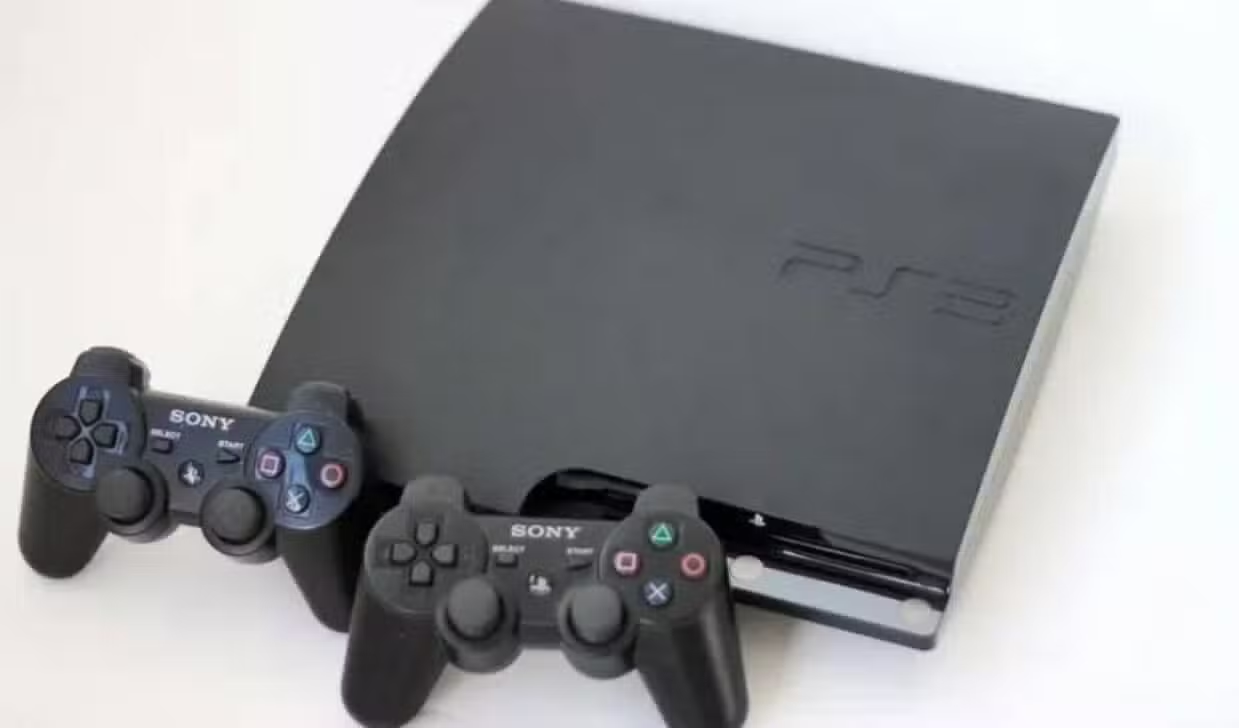
The PlayStation 3, launched by Sony in 2006, had a feature practically ignored by the user base: native printer support. Most console owners never discovered or used this feature integrated into the machine’s operating system. The capability has existed since early firmware versions, but rarely appeared in manuals or tutorials.
Functional print Recurso in console menu
The printer function on the PS3 was located in the accessory device settings, allowing owners to connect USB printers directly to the console. The feature worked through the XMB graphical interface (Xross Media Bar), the same menu used to access media and applications. Usuários could configure printers, adjust paper properties, and manage print queues across the machine.
The integration followed typical standards for desktop operating systems, offering:
- Suporte to multiple simultaneous printers
- Print Quality Controle (Draft, Normal, High Quality)
- Gerenciamento of available paper sizes
- Histórico of documents sent for printing
- Compatibilidade with drivers from well-known manufacturers
Why the function remained unknown
Nenhuma native PlayStation 3 application used the printing system. Jogos did not have access to functionality, and media applications available on the console did not require printing. The lack of practical use cases made the feature completely irrelevant for gamers. Third-party Desenvolvedoras never explored this technical capacity in their projects.
The lack of publicity also contributed to forgetfulness. Sony did not actively promote this console detail in advertising campaigns or instruction manuals. Fóruns users rarely mentioned the feature, creating a cycle of ignorance that persists decades after launch.
Comparativamente, competitors such as Xbox 360 and Wii did not support printers, making the PS3 unique in this capability. Porém, this uniqueness has not been converted into a commercial or practical advantage.
Legado technical of an obsolete feature
Printer support reflected a broader corporate vision for the PlayStation 3: positioning it as a living room multimedia center, not just a games console. Sony saw the machine competing with PCs and media centers from the early 2000s.
Mesmo with this ambitious vision, market reality showed that consumers wanted to play games, watch movies and listen to music — not print documents. The console never established itself as a home office hub.
Hoje, two decades after its launch, this technical detail remains a gamer trivia curiosity. Colecionadores from retro consoles occasionally discover functionality when exploring old menus, often without having a USB printer available to test. The feature represents a misprediction about the future uses of home console technology.
Desenvolvedoras and industry analysts have learned from this experience: integrating features without real demand results in wasted engineering resources. PlayStation’s subsequent Gerações focused exclusively on gaming and audiovisual entertainment, completely abandoning any pretense of productive features.