Researchers map how quail and other species accumulate lethal toxins in their feathers against predators
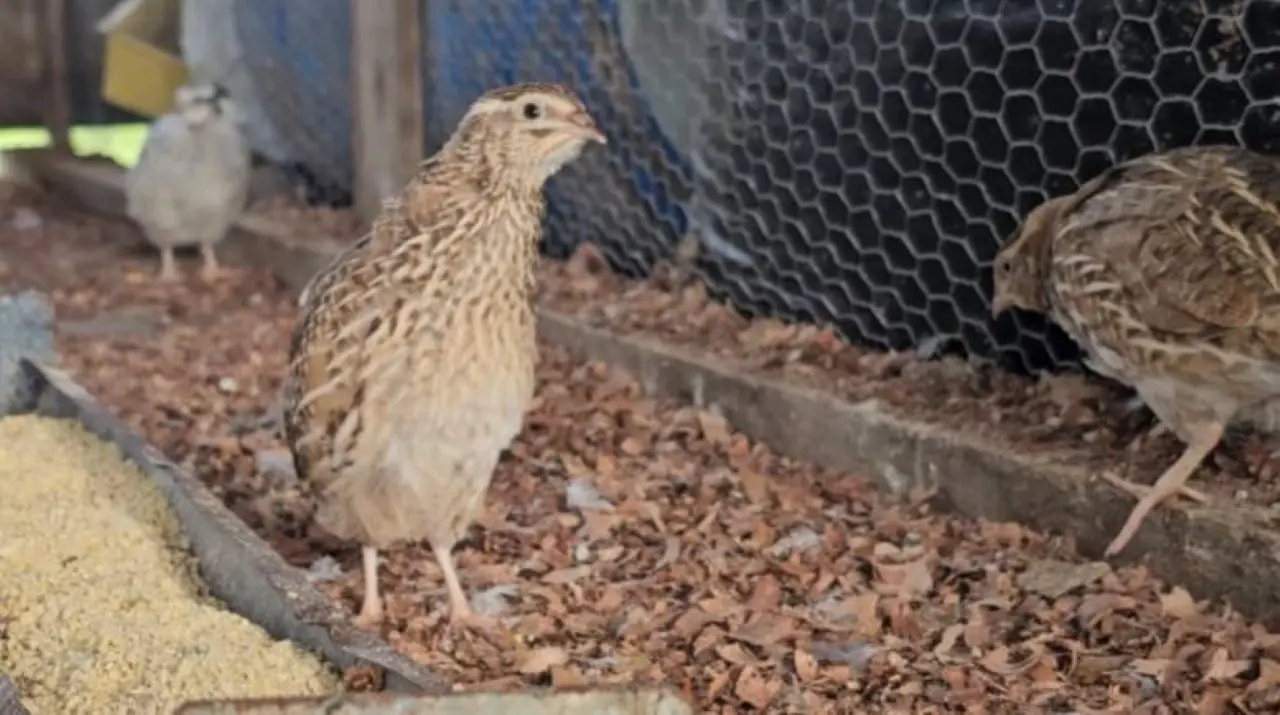
Certas bird species use a complex chemical defense system based on the accumulation of harmful substances. Quail and other winged animals have developed the ability to retain poisonous compounds in their external structures. The mechanism wards off natural threats in the wild. The toxin remains restricted to the bird’s skin and plumage.
The biological process works in a similar way to that observed in poisonous amphibians. The main difference lies in the way the birds process the lethal substance without suffering internal damage. Especialistas from the zoological field investigates the physiological barriers that prevent self-intoxication. The reproductive system remains isolated from the toxic material. Isso guarantees the safe consumption of eggs from these species by other animals and humans.
Absorção of alkaloids occurs through the diet
The presence of poison in the bodies of these birds is not the result of internal production. The mechanism depends entirely on the intake of specific elements present in nature. Quails consume insects and plants that carry high concentrations of toxic alkaloids. The bird’s body processes food in the digestive tract. The dangerous molecules are then redirected to the body’s extremities.
Esse chemical redirection turns the bird into a walking biological reservoir. Venomous Insetos and frogs synthesize their own chemical defenses. Poisonous birds only act as hosts for environmental compounds. The continuous transfer of dietary toxins to the skin creates an invisible shield. Qualquer predator that tries to capture the bird feels the harmful effects immediately after mouth contact.
Mutações genetics over thousands of years have allowed this extreme adaptation. The immune system of birds has undergone profound structural changes. Specific Proteínas blocks venom from entering the main bloodstream. The cellular barrier ensures that vital organs continue to function perfectly. The animal’s heart and brain remain protected against neurotoxins stored just millimeters away.
Espécies cataloged have different levels of toxicity
Scientific mapping has identified a select group of birds with this peculiar characteristic. The geographic distribution of these species covers different continents and biomes. The level of danger varies depending on the local diet and the animal’s retention capacity. Algumas birds carry only light traces of poison. Outras have enough charge to paralyze medium-sized mammals.
Biologists have classified the main poisonous birds known to date:
- Codorna of Flórida (Colinus virginianus) harbors moderate concentrations of alkaloids in its plumage.
- Cáchara (Geositta cunicularia) represents South American fauna with active toxins in the skin.
- Pitohui (Pitohui toxicus) inhabits Papua-Nova Guiné and carries one of nature’s most lethal poisons.
- Ifrita (Ifrita kowaldi) shares the territory of Oceania and has high external toxicity.
- Neotropical Coruja has chemical defenses that still undergo detailed laboratory analysis.
The pitohui attracts the most attention from zoological research centers. The Oceania endemic bird concentrates fast-acting neurotoxins in its feathers. Direct contact causes immediate numbness and severe muscle paralysis. Populações native Papua-New Guiné have recognized the danger for generations. Local hunters avoid the bird during their forays into the region’s dense forests.
Isolamento biochemical ensures egg safety
The reproductive biology of these birds presents a highly efficient filtration system. The poison accumulated in the epidermal layers does not affect the formation of embryos. The egg creation process takes place in a completely isolated cellular environment. The yolk and white receive nutrients directly from the clean bloodstream. The toxins become trapped in the keratinized structures of the animal’s body.
Testes rigorous toxicological tests confirm the absence of harmful alkaloids in the eggs. The consumption of quail or quail eggs does not pose any risks to human health. Chemical defense acts exclusively to protect the adult bird against physical attacks. The genetic material and reproductive fluids remain pure. Nutricionistas attest to the high protein value of these foods in several commercial diets.
Leia Também

Messi reaches 19 goals in FIFA World Cups with great free kick for Argentina in clash with Jordan

Cristiano Ronaldo shines beyond the pitch at the 2026 World Cup with business empire and family luxury

At 41, Cristiano Ronaldo reaffirms his historic legacy and prepares to shine in the 2026 World Cup
Traditional Comunidades consume eggs from highly toxic species with no record of medical problems. Ovos from pitohui and ifrita integrate the native groups feed into Oceania. The separation between the defense mechanism and reproduction demonstrates the precision of animal evolution. The poison fulfills its ecological role without compromising the continuity of the species. The reproductive cycle remains intact.
Resistência genetics intrigues comparative biology researchers
The exact functioning of immunity to the venom itself generates debates in laboratories. Recent genomic Análises studies point to changes in specific neural receptors. The toxin molecules do not find attachment points in the nervous system of these birds. The modified genes act like a changed lock. The poisonous key loses its lethal function within the host bird’s organism.
The evolutionary exclusivity of this trait raises questions about the development of species. Apenas a small number of birds have developed this survival strategy. The hostile environment and the abundance of toxic plants seem to dictate this adaptation. Predadores sites have forced natural selection in extreme directions. Common Pássaros would have perished after ingesting the same amount of alkaloids found in these regions.
Experimentos monitor the growth of puppies to understand the acquisition of tolerance. The data indicates that young birds are born with low levels of toxicity. Resistance increases progressively during the first weeks of life. Daily consumption of poisonous insects strengthens the chemical barrier. The bird reaches its maximum defensive potential only in the full adult phase.
Biotech Potencial Drives Modern Pharmacology Studies
Decoding this neurological block offers unprecedented perspectives for human medicine. Understanding protective proteins can accelerate the creation of new antidotes. Molecular biology seeks to replicate the natural defense mechanism in a controlled environment. Tratamentos for severe poisonings depend on this structural understanding. Nature provides a model of chemical resistance perfected over millennia.
Institutos researchers collect continuous samples of feathers and epidermal tissues. Detailed genetic sequencing maps the areas responsible for cellular immunity. Scientists isolate the genes that code for protection against potent neurotoxins. Transferring this knowledge to clinical therapies requires years of rigorous testing. The biotechnology sector invests resources in the analysis of these rare biological structures.
Nenhum drug based on these discoveries has reached the human testing phase to date. Laboratory work remains focused on basic understanding of molecular interactions. The complexity of the bird nervous system requires absolute precision in analyses. The potential for the development of synthetic neural blockers motivates research teams. The scientific exploration of these poisonous species continues to advance in the world’s main academic centers.