Thermal regulation of the body without clothes accelerates deep rest at night, research shows
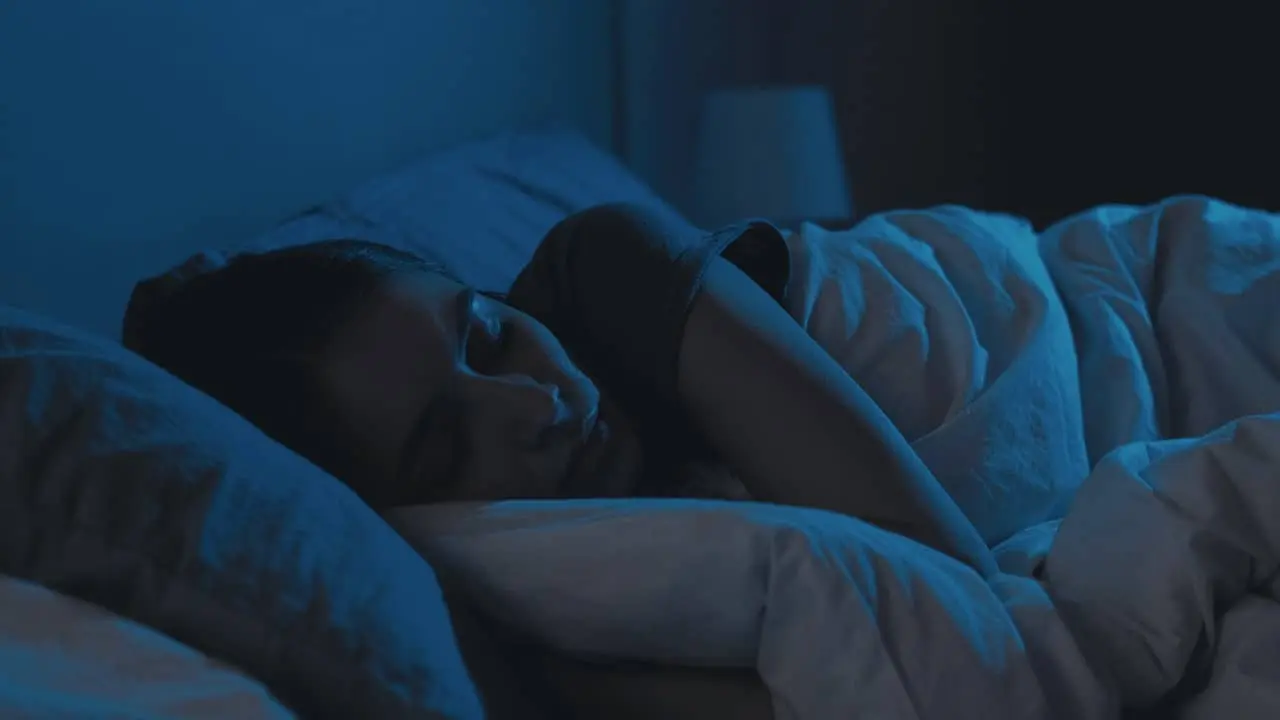
Proper regulation of the temperature of the environment and the human body acts as a fundamental pillar for maintaining physical and mental health. The process of falling asleep requires a natural drop in the body’s core temperature. Muitas people face daily difficulties in reaching the deep stage of rest. The choice of nightwear directly influences this biological dynamic. Especialistas in sleep medicine note that the absence of pajamas facilitates the release of heat trapped in the skin.
National Sleep Foundation’s Senior Vice President of Research and Science, Joseph Zielzewski, details that the human body needs to reduce its internal temperature by between 0.6 and 1 degree Celsius to begin the rest cycle. Qualquer interruption in this natural cooling fragments sleep stages. The individual wakes up tired the next day. Cellular and cognitive recovery capacity suffers a significant decrease when the environment prevents this thermal exchange. Fatores like blue light and stress get a lot of attention in doctors’ offices. Air circulation and the microclimate of the bed, however, determine how quickly the brain shuts down its waking functions.
Impacto of body temperature in the architecture of night rest
The circadian rhythm dictates the rules of biological functioning over twenty-four hours. The pineal gland releases melatonin when ambient light decreases. Esse hormone signals to the organs that the time to reduce metabolism has arrived. Thermal drop accompanies this chemical change. Wearing heavy clothing or synthetic fabrics creates an artificial barrier. The heat generated by basal metabolism finds no escape route. The brain interprets this thermal retention as a warning signal. The waking state remains active for longer.
Sleep architecture involves light, deep, and rapid eye movement stages. Efficient cooling ensures a smooth transition between these steps. Pessoas who sleep without clothes eliminate the extra layer of insulation. The skin breathes freely and exchanges heat with the sheets. The cooling process occurs continuously and without sweat spikes. The absence of elastics and seams also removes physical pressure points. Tactile comfort adds to the thermal benefit in inducing muscle relaxation.
Criação for an ideal microclimate in the bedroom environment
The concept of microclimate refers to the exact space between the individual’s skin and the bed covers. The accumulation of hot air in this restricted zone hinders the maintenance of continuous sleep. Diferentes organisms require varying solutions to balance this thermal equation. The practice of sleeping without any clothing works perfectly for a portion of the population. Outros individuals opt for extremely light and loose clothing. The choice of fabrics defines the success of this strategy. Materiais natural absorb moisture generated by invisible perspiration.
The relative humidity of the air inside the room affects the evaporation of sweat. The human body uses perspiration as its primary cooling mechanism. Ambientes with high humidity blocks this thermal escape route. Sweat remains on the skin and causes immediate discomfort. Colchões with heat dissipation technology helps with regulation. Roupas bedding made from cotton or linen offers high breathability. The central objective is to allow the release of thermal energy without compromising the individual’s sense of security.
Mecanismo of peripheral vasodilation in the cooling process
Human biology presents complex mechanisms of adaptation to the environment. Pessoas with cold extremities have greater difficulty falling asleep. Warming your hands and feet before bed speeds up the relaxation process. Esse phenomenon seems contradictory at first glance. Local heating causes dilation of peripheral blood vessels. Blood flows more intensely to the surface of the skin in these regions. Internal heat travels from the center of the body to the extremities. Thermal release to the environment occurs much faster.
Leia Também

Messi reaches 19 goals in FIFA World Cups with great free kick for Argentina in clash with Jordan

Cristiano Ronaldo shines beyond the pitch at the 2026 World Cup with business empire and family luxury

At 41, Cristiano Ronaldo reaffirms his historic legacy and prepares to shine in the 2026 World Cup
Peripheral vasodilation works like a biological radiator. Wearing light socks in the minutes before bed activates this system. The body cools internally while the feet remain warm. The brain receives the appropriate signal of a drop in core temperature. Deep sleep sets in easily. Maintaining this balance requires attention to the details of the environment. Variações sudden changes in room temperature during the night deactivate this mechanism. The individual suddenly awakens with a feeling of extreme cold or heat.
Technological Monitoramento proves benefits of practice
Wearable technology provides accurate data on the quality of daily rest. Dispositivos like smart watches record heart rate and night movements. The resident of the city of Portland, in the state of Oregon, Brian Deva Cox, uses these tools to monitor his routine. Ele has had the habit of sleeping without clothes since he was a teenager. The practice occurs more frequently during periods of high physical and mental demand. The main objective involves maximizing cell recovery on nights with few hours available for rest.
The graphs generated by Cox’s monitoring equipment show clear differences. Nights when he doesn’t wear pajamas have longer cycles of deep sleep. Basal heart rate reaches ideal resting levels more quickly. Ele reports waking up with high energy levels the next day. Reducing retained heat facilitates the initial transition to unconsciousness. The initial period of sleep determines the stability of the entire morning. The efficiency of body cooling dictates the pace of biological restoration.
Recomendações clinics for overnight thermal stability
Flexibility in nighttime choices ensures individual needs are met. Alterações hormones modify the perception of heat and cold. Mulheres in the menopausal stage experience sudden hot flashes. The need for cooler environments becomes a medical priority in these cases. The thermal stability of the room prevents the fragmentation of rest. Thermostat adjustment needs to take into account the entire morning. Especialistas in sleep medicine establish clear guidelines for optimizing the rest environment.
- Manter room temperature controlled between 15 and 19 degrees Celsius.
- Garantir air circulation and good ventilation in the room throughout the night.
- Utilizar bedding with high moisture absorption and breathability.
- Escolher pajamas made exclusively from natural fibers when necessary.
- Evitar large thermal fluctuations in the environment to maintain stable metabolism.
Standardizing the nighttime environment requires practical testing by each individual. The perception of thermal comfort changes depending on the season and external humidity. The adaptation of coverings and clothing must accompany these climate transitions. The focus remains on facilitating central heat loss. Sleep biology depends on this drop in temperature to perform the functions of tissue repair and memory consolidation. Respect for this physiological mechanism guarantees the adequate functioning of the body during the waking period.