


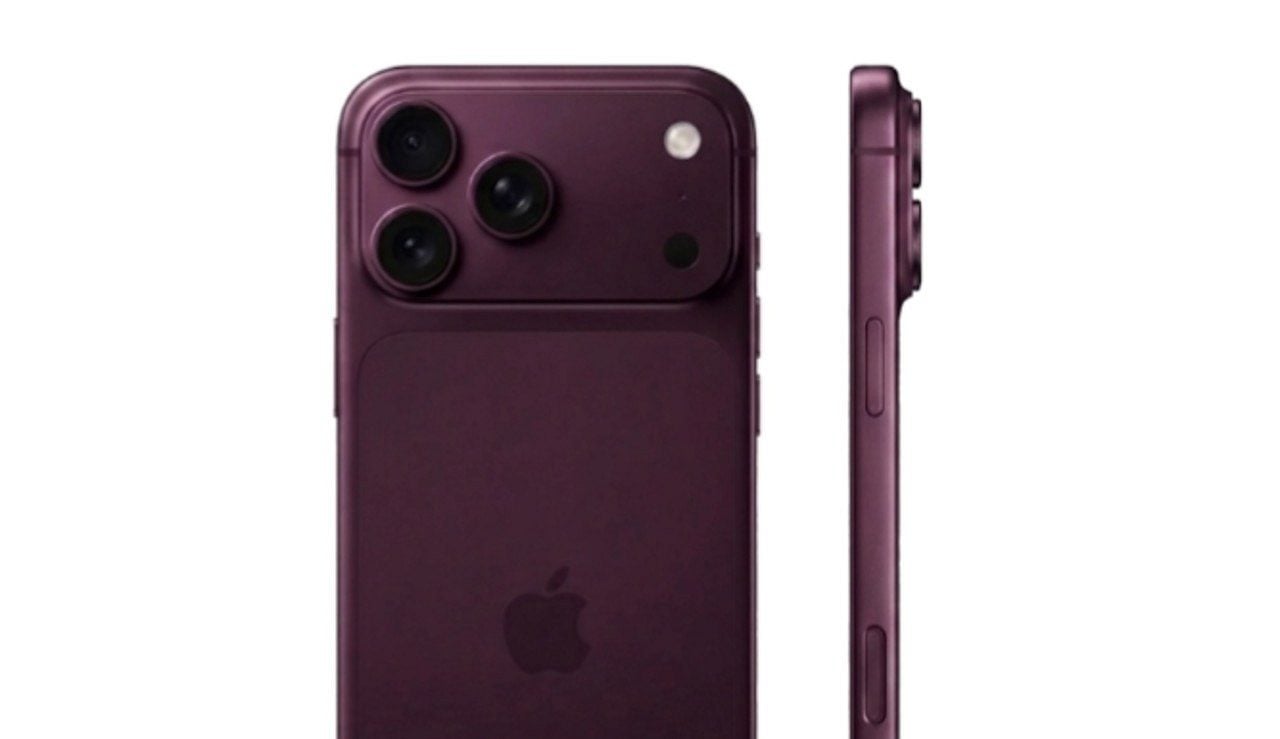
Apple defined the commercial strategy for the launch of the iPhone 18 Pro and the Pro Max variant on the global market. The manufacturer set the initial prices of the devices at US$1,099 and US$1,199, maintaining the exact price used in the previous generation of premium smartphones. The decision takes place in a scenario of retraction in sales of input devices and seeks to attract consumers who currently use the Android system. Analistas believes that maintaining values represents an aggressive move to expand the brand’s user base.
The international economic situation imposes severe obstacles for the telecommunications sector’s supply chain. The costs associated with the manufacturing of electronic components have registered significant increases over the last few months. Esse price increase affects the production of essential parts and reduces the profitability of companies that focus on cheaper models. The North American company takes advantage of this structural gap to sacrifice a portion of the immediate profit margin. The central objective involves achieving a greater share of the industry’s total sales volume.
Electronic Components Inflação Changes Industry Dynamics
The global semiconductor and memory market is going through a period of persistent inflation. The prices of fundamental parts rose considerably in the first half of this year. Esse financial movement made the assembly of devices in all performance categories more expensive. Technology companies needed to review cost spreadsheets to avoid operational losses. The vast majority of competing brands chose to pass on the increase directly to the end consumer in stores.
Successive readjustments made mid-range phones less accessible to a significant portion of the population. The iOS system maker has taken a diametrically opposite path to dealing with the Asian supply crisis. The corporation decided to absorb a significant portion of this financial impact in its quarterly balance sheets. Freezing the initial price of the iPhone 18 Pro acts as a commercial barrier against the loss of loyal customers. The brand uses its robust cash capital reserves to withstand momentary pressure from suppliers.
Industry Especialistas indicate that this tactic stifles the operations of smaller companies. Rivals lose competitiveness when trying to justify increases in devices with lower technical specifications. The reduction in the production volume of low-cost cell phones changes the dynamics of exposure in large retail chains. Physical and virtual shelves display a smaller number of accessible options. The consumer finds an increasingly narrow price difference between a premium intermediate device and an entry-level model from Apple. Essa value approximation facilitates the operating system migration process.
Internal Arquitetura gets volatile memory expansion
The engineering design of the new smartphone encompasses structural changes to the internal architecture of the motherboard. Recent reports from the production chain confirm the integration of 12 GB of RAM memory in the standard model. The technical increase represents a significant leap in relation to equipment sold in previous years. The mobile device industry requires ever-increasing processing power to handle modern applications. The new configuration puts the device on the same level of raw performance as the main high-cost competitors.
The expansion of volatile memory directly changes the consumer’s daily usage experience. The operating system can keep a greater number of applications open in the background without the need for reloading. Complex Tarefas runs with noticeable fluidity. Editing high-resolution videos and running games with heavy graphics occurs without processor bottlenecks. The company uses this performance gain as one of the main selling points in advertising campaigns. The improved hardware justifies the user’s initial investment in the brand’s closed ecosystem.
Technical advancement sets the stage for the implementation of new software tools based on machine learning. The integration of advanced artificial intelligence resources requires enormous local computing power. The 12 GB of RAM ensures that sensitive data processing takes place on the device itself. The privacy of user information remains protected without the need for constant uploading to cloud servers. The competition needs to invest massive amounts of money to offer similar solutions in the short term.
Tabela storage subsidizes entry model
Maintaining the base price requires rigorous financial trade-offs in other areas of the product portfolio. The company structures its sales table based on the internal storage capacity offered in each variant. Models with more physical space receive considerably higher percentage increases in the final amount charged in stores. The tactic protects the financial health of the corporation in the eyes of shareholders. Profits not realized in the entry-level version are returned through sales of the most expensive devices in the line.
Modern consumer purchasing behavior favors the application of this cross-compensation strategy. The constant production of high-quality photographs and videos in 4K resolution quickly fills up phone memory. Muitos customers opt for the more expensive versions at the time of purchase to avoid space problems in the future. Esse specific group of users ends up subsidizing the production cost of the basic model. The company’s financial engineering guarantees the balance of accounts at the close of each fiscal quarter.
The organization of purchasing options follows a well-defined commercial standard in official stores and authorized resellers:
- The initial, lower-capacity version acts as a gateway for new customers to the ecosystem.
- The 256 GB intermediate model meets the demand of the vast majority of frequent users.
- The 512GB option specifically targets content producers and digital media professionals.
- The top-of-the-line 1TB variant offers the maximum possible profit margin for the manufacturer.
Essa price ladder has worked extremely efficiently for several generations of smartphones. The customer enters the store attracted by the price set at US$1,099. The seller presents the technical advantages of doubling storage for a difference considered small in the value of the monthly installment. The final sale often occurs in a category higher than that initially planned by the consumer.
Posicionamento commercial targets end of year parties
The global technology industry’s launch schedule follows a very strict seasonal rhythm. The arrival of new devices traditionally occurs at the beginning of autumn in the northern hemisphere. The period strategically precedes the most important commercial dates on the world economic calendar. Black Friday and the end-of-year festivities concentrate the majority of smartphone exchanges at retail. The aggressive price positioning aims to capture the pent-up demand built up over the previous months.
Stability in the amounts charged reduces the public’s natural resistance to high expenses. Consumidores who postponed changing devices last year now find superior equipment for the exact same cost. The perception of financial advantage speeds up the purchasing decision process in physical and virtual stores. Telephone operators also take advantage of the market’s booming moment to create attractive promotional packages linked to data plans. The sales volume generated in this initial window defines the commercial success of the entire product line for the following year.
The technology sector monitors the practical consequences of this pricing policy in large retail chains. Android device manufacturers adjust their catalogs on an emergency basis for the next quarter. Asian companies are looking for logistical alternatives in the supply chain to reduce the cost of assembling their main models. The fight for physical space on the shelves alters the market shares in several countries of Europa and Américas. The iPhone maker maintains its logistical focus on the accelerated global distribution of initial batches.




